Wide Temperatur TFT Displays für industrielle Anwendungen
2026-02-20
10:00
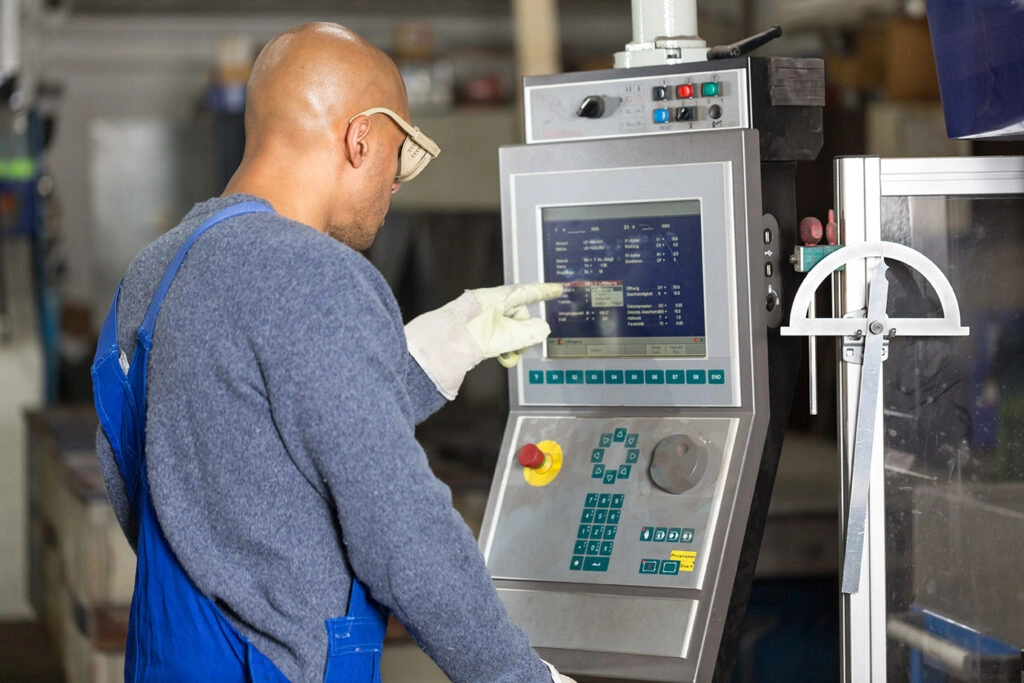
In industriellen Umgebungen bleibt Zuverlässigkeit der Schlüssel. Maschinen laufen nonstop in Fabriken. Außensysteme stehen dem wechselnden Wetter gegenüber. Bedienfelder benötigen eine konstante Anzeigegenauigkeit unabhängig von den Umgebungstemperaturen. Breite Temperatur TFT-Displays Diese Bedürfnisse gut behandeln.
Wide Temperatur TFT (Thin-Film Transistor) LCDs arbeiten stetig an schwierigen Stellen. Sie decken oft -30°C bis 85°C ab. Diese Displays verwenden spezielle Materialien und Teile, um die Arbeit stabil zu halten. Standardanzeigen scheitern an solchen Orten durch Wärmedruck aus.
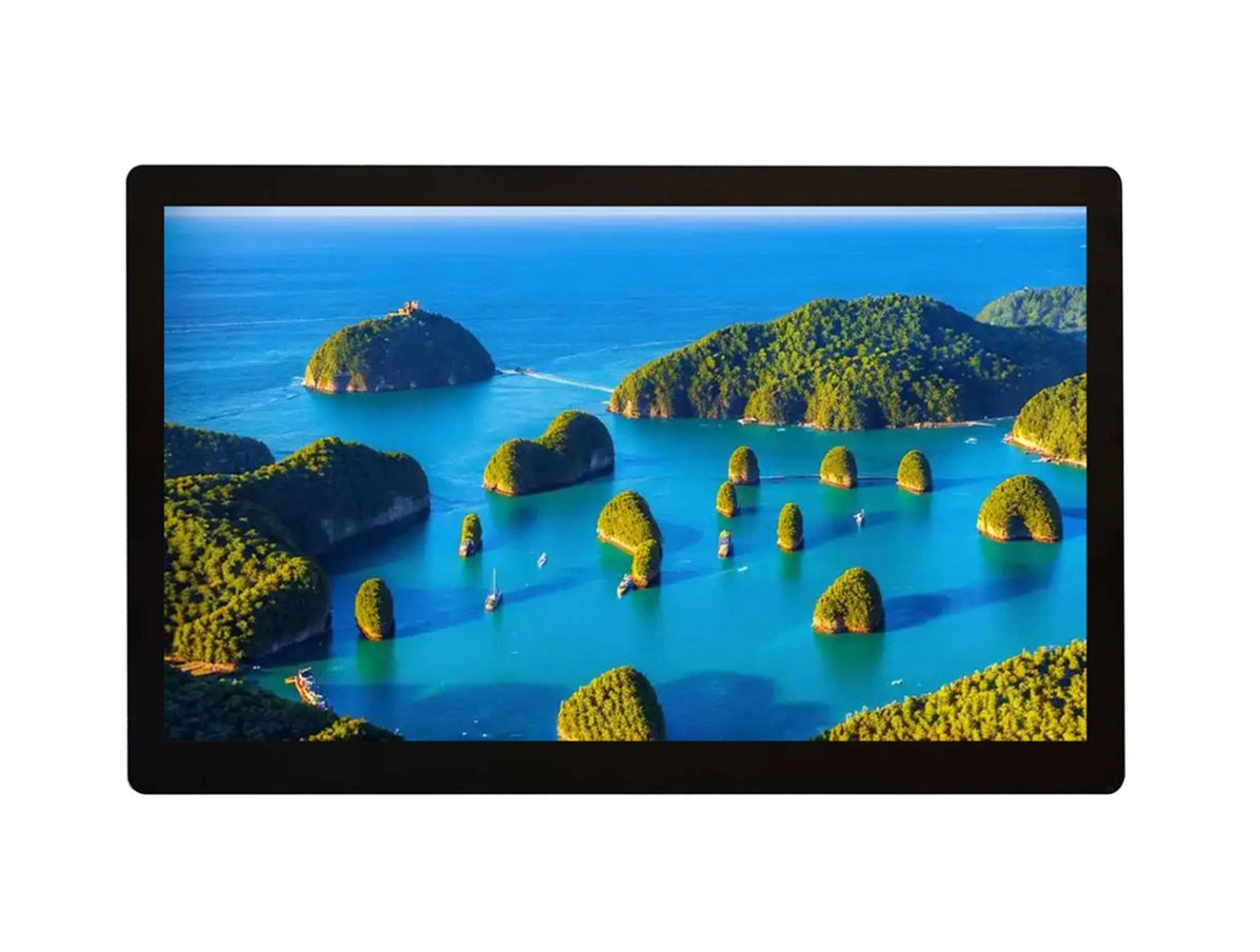
Was ist ein Wide Temperatur TFT Display?
Die TFT-LCD-Technologie versorgt Active-Matrix-Displays in Industriegeräten. Breite Temperaturtypen verwenden industrielle Flüssigkristalle, Polarisatoren, Treiber-ICs und Hintergrundbeleuchtung. Diese sind für Wärmewachstum, Schrumpfen und Feuchtigkeitskampf gebaut. Bessere Modelle erreichen von -30°C bis 85°C. Sie gewährleisten einen festen Lauf in rauen Bereichen.
Temp-Höhen und Tiefen tun viel weh. Niedrige Temps erhöhen Flüssigkristalldicke. Dies verursacht langsame Antwortzeiten, Geisterbilder oder schwarze Bildschirme. Hohe Temps beschleunigen Molekülbewegungen. Dies führt zu Wendungen, weniger Kontrast oder dauerhaften Schäden. Temp-festgelegte Schaltungen, abgestimmte Hintergrundbeleuchtung und starke Gehäuse halten Sicht und Farbe wahr.
Herausforderungen extremer Temperaturen bei TFT-LCD-Leistung
Schwierige Bedingungen bringen Probleme:
- Niedrigtemperaturwirkungen:Flüssigkristalle härten, erhöhen die Dicke und verlangsamen die Pixelverschiebungen. Die Antwortzeiten sinken schnell unter -20°C. Dies bringt Bildhalt oder ungerade Markierungen. Bei schlechter Kälte können Displays ohne Wärmeteile aufhören.
- Hochtemperatureffekte:Zu viel Wärme macht Flüssigkristalle Line-up verlieren. Dies verursacht Farbänderungen, schwarze Flecken oder Kontrastabfall. Polarisatoren und optische Filme biegen oder schälen. Hintergrundbeleuchtung fügt innere Wärme hinzu. Das Risiko eines Teilnutzes.
- Thermisches Radfahren:Viele Veränderungen verursachen materielle Müdigkeit, Pausen oder Schalen im Laufe der Zeit.
Fixes decken spezielle Heizungen ab (wie PET-basiert für Biegen). Sie arbeiten an kalten Stellen. Fortgeschrittene Wärmesteuerung verteilt Wärme. Industriewertige Teile liefern eine Lebensdauer von über 50.000 Stunden.
Entwurfstechnologien hinter breiten Temperaturanzeigen
Einige Schritte ermöglichen eine breite Temperaturarbeit:
Fortgeschrittene Flüssigkristallmaterialien für den Wide Temperatur Betrieb
Die Flüssigkristallschicht steht im Herzen der TFT-Arbeit. Breite Temperaturanzeigen verwenden maßgeschneiderte Mischungen. Sie halten den Fluss unter Nullpunkten. Sie halten auch Line-up bei hohen Temps. Diese Mischungen schneiden Dickenverschiebungen. Sie unterstützen schnelle Verschiebungen und konstante Grauenlagen über Spannen hinweg.
Neue Ideen wie hohe Temperatur stabile nematische Mischungen und Add-Ins geringere Antwort wartet. Hersteller wählen Verbindungen, die Hitzeschäden bekämpfen. Dies hält stabile Lichtmerkmale ohne Phasenverschiebungen, die zu Pausen führen.
Hochwertige Polarisatoren und optische Filme in rauen Umgebungen
Regelmäßige Polarisatoren schälen oder biegen sich unter Hitze. Breite Temperaturmodelle verfügen über Hitzekämpf, UV-stabile Polarisatoren und Fixfolien. Diese behalten Kontrastraten (oft > 1000:1) und weite Sichtwinkel (bis zu 178° mit IPS-Technologie). Sie halten Hitzestress oder starken Lichtern stand.
Optische Folien erhöhen die Festigkeit gegen Feuchtigkeit und UV-Licht. Sie stoppen gelbe Wendungen oder Wolken, die den Blick im Freien oder in der Fabrik verletzen.
Temperaturbeständige LED-Hintergrundbeleuchtung und Lösungen für hohe Helligkeit
Hintergrundbeleuchtung muss eine konstante Lichtstärke halten. Industriepläne verwenden hochhelle LEDs (1000 nits, bis zu 3000 nits in sonnenlichtlesbaren Varianten). Sie kommen mit temp-festgelegten Treibern, um Strom zu steuern und Überhitzung zu stoppen.
Langlebige LEDs (50.000 Stunden) zeigen gleichmäßige Ausbreitung, um heiße Bereiche zu überspringen. Mini LED Hintergrundbeleuchtung Trends erhöhen Arbeitsrate, Spot Dim und Wärmeregelung. Sie unterstützen stromsparenden Betrieb in harten Anwendungen.
Robuste Touchscreen-Integration für industrielle HMIs
Die Berührungsarbeit verbindet sich über industrielle kapazitive (PCAP) oder resistive Platten. Die optische Verklebung schneidet Lufträume. Dies verringert Reflexionen, erhöht den Kontrast und verhindert, dass Feuchtigkeit in nassen oder kalten Stellen eintritt oder taut.
Diese Touch-Schichten hinten Handschuh Gebrauch und Multi-Touch in Fabriken. Sie gewährleisten schnelle Verbindungen unter extremen Temperaturen.
Optische Verbesserungen für überlegene Sichtbarkeit in industriellen Umgebungen
Sicht bleibt lebenswichtig. Zu den Boosts gehören:
- Hohe Helligkeit für direktes Sonnenlicht
- Anti-Glare (AG), Anti-Reflex (AR) und Anti-Fingerabdruck (AF) Beschichtungen
- IPS-Panels für große Sichtwinkel
- Optische Verklebung für Haltbarkeit und Klarheit
Diese Teile schneiden Blendung und Tau. Sie geben klare Informationen in hellen Fabriken oder Outdoor-Setups.
Anwendungen von Wide Temperatur TFT Displays in anspruchsvollen Branchen
Breite Temperatur TFTs helfen Hauptfeldern:
- FabrikautomatisierungHMIs in der Nähe von Maschinen oder in der Kältelagerung sorgen für eine zuverlässige Überwachung.
- Außenkioske und VerkaufsautomatenSysteme widerstehen Sonnenlicht, Feuchtigkeit und Schaukeln für den Ticketing oder das Laden von Elektrofahrzeugen.
- Transport und LogistikSteuerungen in Fahrzeugen oder Transit handhaben Schwankungen.
- Energie- und UmweltsystemeSolar-, Ölfeld- und Überwachungsgeräte arbeiten kontinuierlich im Freien.
Markttrends zeigen Wachstum, das durch Industrie 4.0, intelligente Fertigung und IoT-Integration angetrieben wird, wobei industrielle Displays in den Automatisierungs- und Energiesektoren wachsen.
Markttrends und zukünftige Fortschritte in der Wide Temperature TFT-Technologie
Der Markt für industrielle Displays wächst schnell. Es soll bis 2026 große Werte erreichen. Dies kommt aus intelligenter Fertigung und digitalen Veränderungen. Die wichtigsten Schritte umfassen Mini-LED-Hintergrundbeleuchtung (die Lieferungen steigen), QLED-LCD für breitere Paletten und energieeffiziente Designs.
Kommende Änderungen zielen auf biegbare Basen, KI-geführte Wärmeregelung und Mischtechnologie für bessere Stabilität ab. Hochdetaillierte und berührungsfähige Module führen für HMI und harte Anwendungen.
Anpassungsmöglichkeiten für OEM-Industrieprojekte
Hersteller bieten maßgeschneiderte Lösungen:
- Kundenspezifisches Abdeckungsglasdesign
- Verstellbare Helligkeit und Steuerung
- Kapazitive/resistive Berührung
- Schnittstellen (LVDS, HDMI, MIPI, SPI)
- Konformistische Beschichtungen zum Schutz
Anpassung gewährleistet Kompatibilität und Leistung.
Häufig gestellte Fragen (FAQ)
Welchen Temperaturbereich unterstützen TFT-Displays typischerweise?
Industrielle Breittemperatur TFT-Displays arbeiten üblicherweise von -20 ° C bis 70 ° C, mit erweiterten Modellen, die sich für extreme Bedingungen auf -30 ° C bis 85 ° C erstrecken.
Warum sind breite Temperaturanzeigen für den industriellen Einsatz notwendig?
Extreme Temperaturen verursachen Viskositätsänderungen, Reaktionsverzögerungen, Ghosting, Verzerrung oder Ausfälle. Spezialisierte Designs gewährleisten konsistente Leistung, Lesbarkeit und Langlebigkeit.
Welche Schlüsselfunktionen verbessern die Sichtbarkeit in industriellen Anwendungen im Freien?
Hohe Helligkeit (1000 nits), Anti-Blend-/Anti-Reflexionsbeschichtungen, IPS-breite Sichtwinkel und optische Verklebung verbessern die Sonnenlichtlesbarkeit und reduzieren Reflexionen oder Kondensation.
Können TFT-Displays mit breiter Temperatur Touchfunktionalität umfassen?
Ja, robuste PCAP- oder resistive Touchpanels mit optischer Verklebung bieten Haltbarkeit, Feuchtigkeitsbeständigkeit und Multi-Touch-Unterstützung in industriellen HMIs.
Wie unterstützen Hersteller die Anpassung für Breittemperatur-TFTs?
Maßgeschneiderte Optionen umfassen kundenspezifisches Glas, Schnittstellen, Helligkeitseinstellungen, Berührungstypen und Schutzbeschichtungen, die spezifischen Projektanforderungen entsprechen.
Partner mit Kadi Display als zuverlässiger Hersteller und Lieferant
Kadi Anzeige steht als führender Hersteller, Lieferant und Fabrik, die sich auf industrielle Breittemperatur-TFT-LCD-Module und kundenspezifische Anzeigelösungen spezialisiert hat. Mit über zwei Jahrzehnten Erfahrung, ISO-zertifizierter Produktion und einem Fokus auf Zuverlässigkeit für anspruchsvolle Anwendungen liefert Kadi Display hochhelle, breite Temperatur (-30 ° C bis 85 ° C) Displays mit langer Lebensdauer und flexiblen OEM / ODM-Services.
Partner, die robuste, maßgeschneiderte TFT-Lösungen für industrielle Automatisierung, Outdoor-Geräte oder HMI-Projekte suchen, profitieren von Kadi Display’ One-Stop-Funktionen, schnelles Prototypieren und globaler Support.
Kontaktieren Sie Kadi Display heute bei Sales@sz-kadi.com oder 86-13662585086, um Anforderungen zu diskutieren, Proben anzufordern oder benutzerdefinierte TFT-Optionen mit breiter Temperatur zu erkunden. Besuchen https://www.kadidisplay.com/ zur Produktdetails und zur Kooperation zur zuverlässigen, leistungsstarken Displayintegration.
Vorherige
7-Zoll-MIPI-DSI-Displays: Top-Spezifikationen und beste Auswahl im Jahr 2026
Nächster
Wie AG, AF und AR Lösungen kritische Anzeigeprobleme lösen
Hinterlasse einen Kommentar

Neueste Blog & Nachrichten
- Electronic Component Obsolescence Management for Industrial Displays: An OEM Guide
- How to Develop a Production Ready Custom Display Assembly TFT Module Touch Cover Glass FPC Bonding and Mounting
- 15 Pin vs 22 Pin Raspberry Pi DSI Connectors Cable Pinout and Compatibility
- Native MIPI DSI vs LVDS or HDMI Bridge: An OEM Display Architecture Decision Guide
- MIPI DSI Display Driver Development for Embedded Linux What Hardware Buyers Need to Confirm