
Applications of Industrial LCD Displays in Medical Devices
2026-03-12
00:00
Pantallas LCD industriales have turned into an essential part in today’s medical equipment. They combine strong reliability, great picture quality, extended working life, and good fit for tough hygiene and safety rules. This makes them the top pick for medical device manufacturers. This article takes a close look at why industrial-grade LCDs see wide use in healthcare. It covers their main application fields, core technical strengths, key design points, and related compliance plus certification details.
Why Industrial LCD Displays Excel in Healthcare Settings
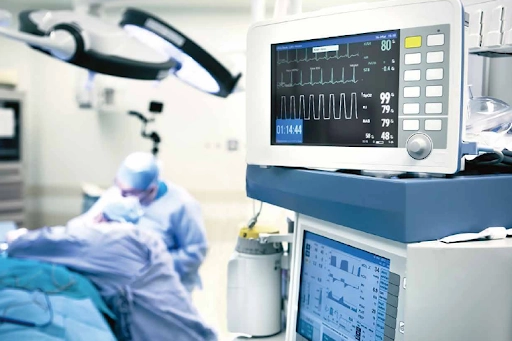
Medical devices work in places where any breakdown simply cannot happen. Displays need to give steady results during nonstop use, regular cleaning, changing light levels, and occasional physical strain.
When set against regular consumer screens, pantallas LCD industriales bring clear benefits:
- Built for 24/7 Continuous Operation — Most versions carry ratings of 50,000–70,000 hours for backlight life. This greatly lowers the chance of abrupt failure in vital life-support uses.
- Broad Operating Temperature Range — Plenty of medical-grade panels handle -20°C to +70°C (a few go even further). They keep stable work in ambulances, outside emergency setups, or stuffy equipment areas.
- Strong Brightness and Sunlight Readability — Panels rated 800–1500 nits appear often. They allow sharp viewing under intense surgical lamps or in bright exam spaces.
- Anti-Glare & Optical Bonding Options — Optical bonding removes the air space between cover glass and LCD. It cuts down inner reflections a lot and boosts contrast in strong surrounding light.
- Tough Touch Solutions — Projected capacitive touch handles multi-touch gestures. It works with gloves (including thick surgical ones) and offers very high touch endurance (>10 million touches).
- Hygienic Surface Materials — Lots of displays feature glass or special coatings. These stand up to repeated use of hospital-grade disinfectants (like alcohol, bleach, and quaternary ammonium compounds) without breaking down.
Such traits make industrial LCDs much better suited for medical tasks than ordinary commercial monitors.
Key Applications in Medical Devices
1. Patient Monitoring Systems
Multi-parameter patient monitors rank among the most common users of industrial LCD displays. These screens show ECG waveforms, invasive and non-invasive blood pressure, SpO2 plethysmography, respiratory rate, temperature, and ETCO2 values all the time. Key display needs include:
- High refresh rate (≥60 Hz) and low input lag. They help create smooth waveform display.
- Wide viewing angle (IPS panels ≥178°/178°). This lets nurses and doctors read data easily from beside the bed.
- Color-coded parameters and big numeric fonts. They stay readable from 2–3 meters.
- Split-screen or multi-window setups. These show trends, alarms, and calculated values at once.
2. Diagnostic Imaging Equipment
From portable ultrasound to fixed CT/MRI consoles, correct image display matters a lot. Industrial displays in this area normally include:
- High resolution (Full HD, 2K, 4K)
- DICOM Part 14 compliant grayscale tracking (for radiology viewing stations)
- Factory-calibrated gamma and luminance uniformity
- High contrast ratio and deep black levels. These prove especially useful for ultrasound and endoscopy.
- Wide color gamut when color Doppler or 3D/4D rendering becomes necessary.
3. Surgical and Operating Room Displays
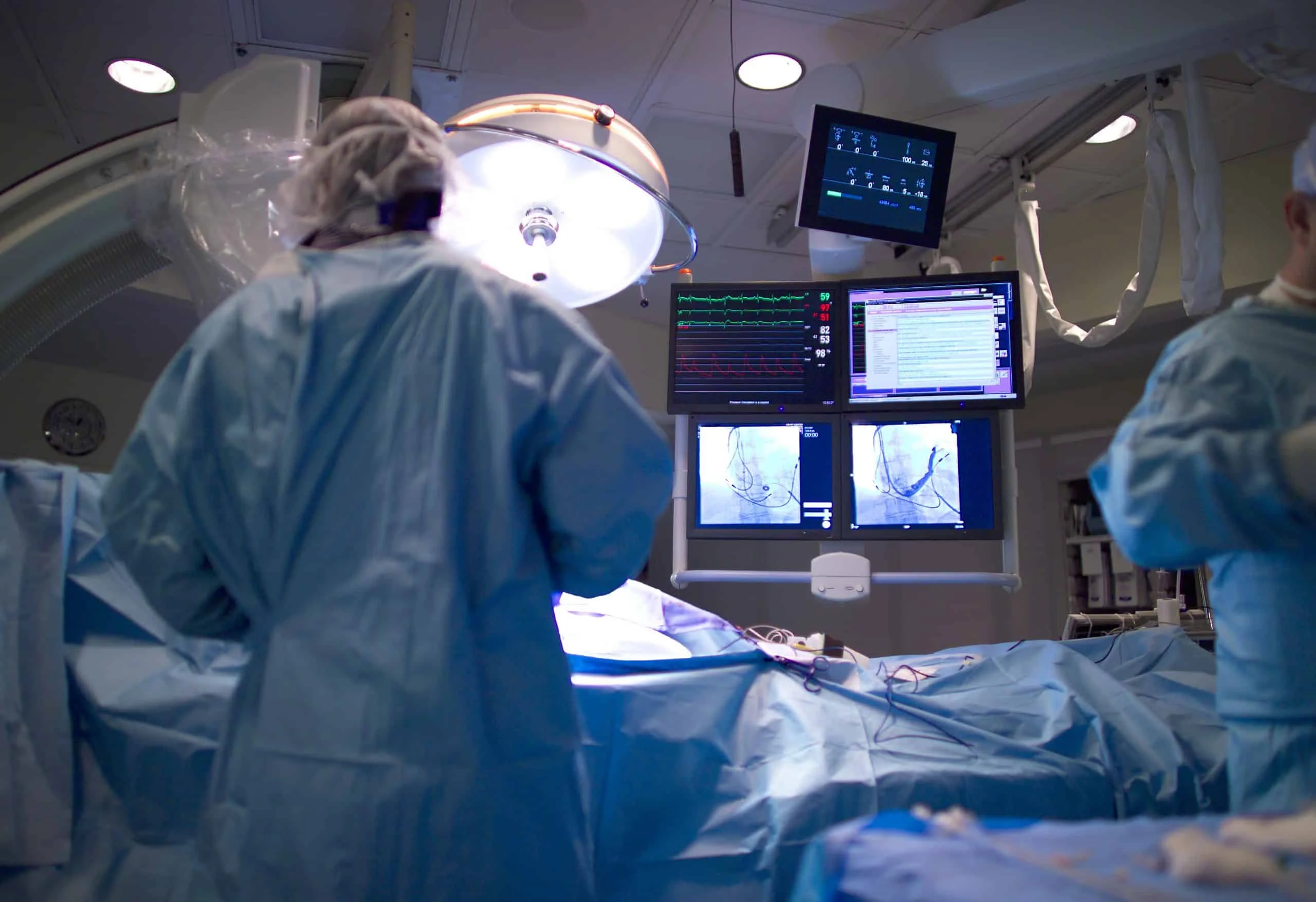
Surgical displays have to deliver real-time, delay-free views of endoscopic cameras, surgical microscopes, robotic systems (e.g., da Vinci), and C-arm fluoroscopy. Common needs cover:
- Ultra-high brightness (1000–2000 nits). It helps beat glare from operating lights.
- Redundant signal inputs (HDMI, DP, 3G-SDI, DVI) with automatic failover
- Low input latency (<20 ms)
- 4K resolution, which grows more common for minimally invasive work
- Touch or non-touch types. The choice depends on whether the display controls things directly or just shows images.
4. Laboratory and Analytical Instruments
Automated hematology analyzers, chemistry analyzers, coagulation systems, immunoassay platforms, and next-generation sequencing consoles all use industrial LCD interfaces. These displays provide:
- Easy-to-use graphical interfaces for choosing test settings
- Real-time progress bars and status signs
- Clear views of numeric results, histograms, scattergrams, and alert flags
- Steady readability of tiny fonts and symbols even after thousands of hours
5. Infusion Pumps and Syringe Pumps
Drug delivery devices need very dependable and easy-to-read interfaces. Industrial LCDs in infusion pumps generally give:
- Color-coded status signs (green = running, yellow = near end, red = alarm)
- Large, high-contrast number areas for rate, volume, and time left
- Touch or button + display setups for programming
- Wide viewing angle. It lets nurses check settings from various sides without shifting the pump.
6. Portable and Point-of-Care Diagnostic Devices
Handheld ultrasound, portable ECG machines, blood gas analyzers, and mobile vital signs monitors call for small, low-power, highly visible displays. Main features cover:
- Sunlight-readable high-brightness panels (700–1200 nits)
- Low power use to stretch battery runtime
- Ruggedized build (shock, vibration, drop resistance)
- Wide temperature range for work in ambulances, field hospitals, and home care
7. Dental Imaging and Chairside Systems
Modern dental units bring in displays for:
- Intraoral camera live view
- Digital X-ray and panoramic imaging
- 3D CBCT slice navigation
- Patient education (showing treatment plans and before/after visuals)
These displays usually mix high resolution, solid color accuracy, and anti-glare surfaces. They fit well in the bright dental setting.
Important Design Considerations for Medical Device Manufacturers
When picking or tailoring industrial LCD displays for medical products, several engineering points need careful thought:
Interface Compatibility
Common interfaces include LVDS (6/8/10-bit), eDP, MIPI DSI, HDMI, and DisplayPort. Medical mainboards often choose LVDS or eDP. They give better EMI control and long-term support.
Backlight Lifetime and Replacement Strategy
LED backlight half-life usually sits at 50,000–70,000 hours at 25°C. Some makers supply field-replaceable backlight units. This helps stretch device life past 10 years.
Electromagnetic Compatibility (EMC)
Medical devices must meet IEC 60601-1-2. Industrial displays should face tests for radiated and conducted emissions plus immunity. This holds true especially with fast processors or wireless parts.
Power Supply Stability
Many medical devices rely on isolated power supplies. Displays need to handle wider voltage swings and show low inrush current.
Long-term Availability & EOL Management
Medical product cycles often run 7–12 years. Picking suppliers with solid long-term supply promises and clear last-time-buy or lifetime-buy rules matters a great deal.
Many trusted industrial display manufacturers supply useful test reports, material statements, and change notice rules. These help device makers reach certification in a smoother way.
Kadi Display is a professional industrial TFT LCD display manufacturer, supplier, and factory headquartered in Shenzhen, China. The company specializes in high-brightness, wide-temperature, touch-integrated, and custom LCD modules designed for demanding applications including medical devices. Kadi Display offers flexible OEM/ODM services with low or no minimum order quantities for many custom projects, and provides long-term supply stability. Medical device manufacturers and integrators looking for dependable display solutions are welcome to explore the full product range at https://www.kadidisplay.com/ o Contacta con el equipo directly at sales@sz-kadi.com | +86-13662585086 for project consultation, samples, or partnership discussions.
Preguntas frecuentes
What is the typical backlight lifetime of industrial LCDs used in medical devices?
Most are rated for 50,000–70,000 hours at 25°C, supporting 7–10+ years of continuous operation in many applications.
Can industrial displays withstand frequent disinfection in hospitals?
Yes. Many models use glass surfaces or special coatings tested with common disinfectants such as 70% isopropyl alcohol, bleach, and quaternary ammonium compounds.
Do medical-grade displays need to be DICOM compliant?
Only diagnostic imaging displays intended for primary diagnosis usually require DICOM Part 14 grayscale conformance. Monitoring and secondary-view displays do not.
Deja un comentario

Últimos blogs y noticias
- Applications of Industrial LCD Displays in Medical Devices
- How to Choose High Brightness LCD Displays for Outdoor Applications
- How to Choose the Best Industrial TFT LCD for Your Embedded Device
- IPS vs otros paneles Cómo seleccionar interfaces de pantalla para LCD TFT incrustado e industrial
- Pantallas MIPI DSI de 7 pulgadas: las principales especificaciones y las mejores opciones en 2026