
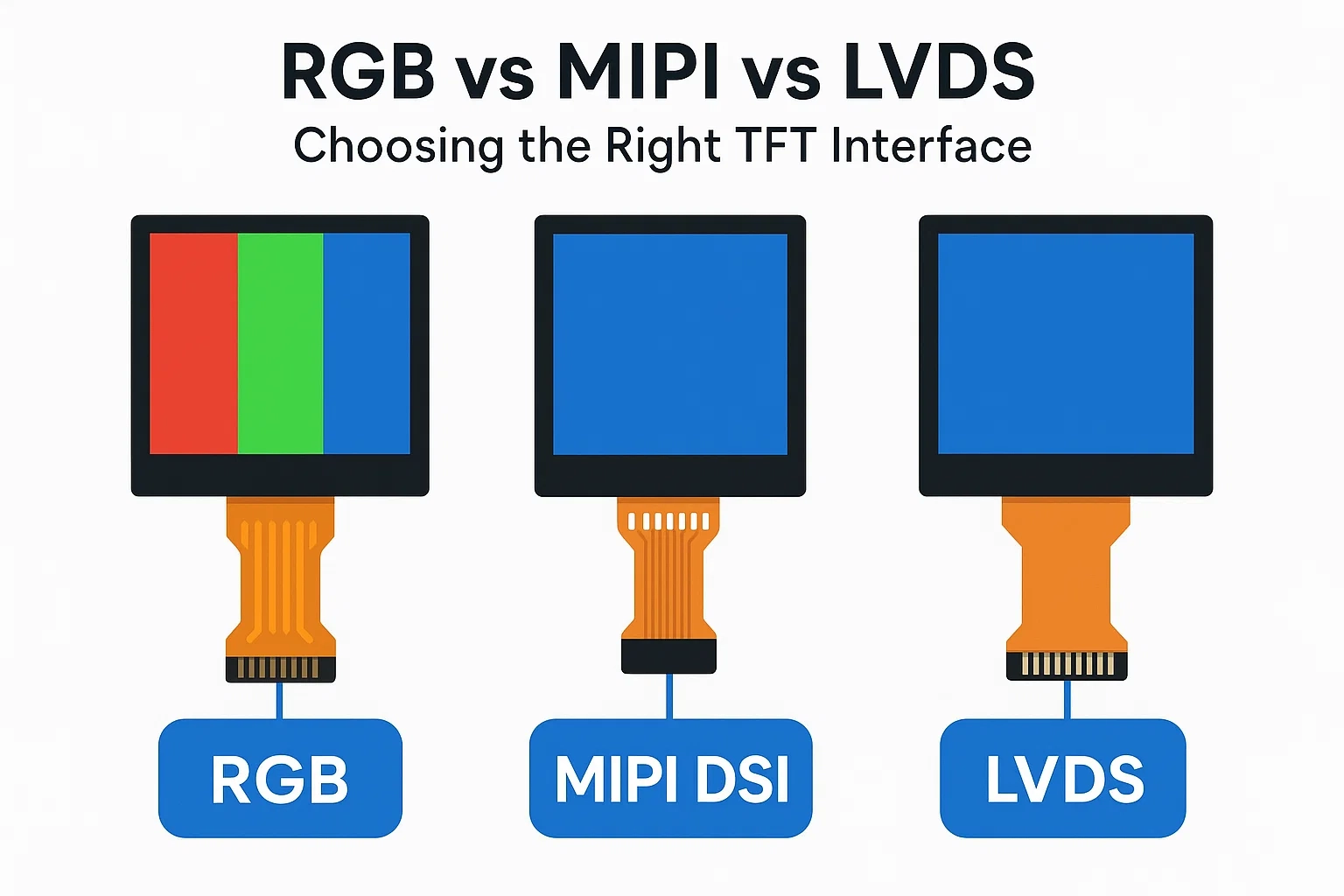
RGB vs MIPI vs LVDS: scegliere la migliore interfaccia TFT LCD
2026-03-19
16:10
Display LCD TFT agire come parti chiave in molti settori. Forniscono immagini chiare, lavoro costante e flessibilità. Gli ingegneri e i produttori di prodotti spesso devono scegliere un'interfaccia adatta per i moduli TFT. Le scelte come RGB, MIPI DSI e LVDS mostrano caratteristiche chiare. Queste caratteristiche influenzano la costruzione del sistema, l'uso di energia e l'idoneità per determinate attività.
Questa guida completa esamina il funzionamento, i punti forti, i punti deboli e i migliori usi per le interfacce RGB, MIPI e LVDS in schermi LCD TFT. Visualizzazioni extra su nuovi modelli, corrispondenze tecnologiche e regole di scelta reali aggiungono conoscenza. Ciò aiuta a fare scelte intelligenti nei progetti di fabbrica, medici, automobilistici e costruiti dagli utenti.
Introduzione alle interfacce TFT
Che cos'è un display TFT?
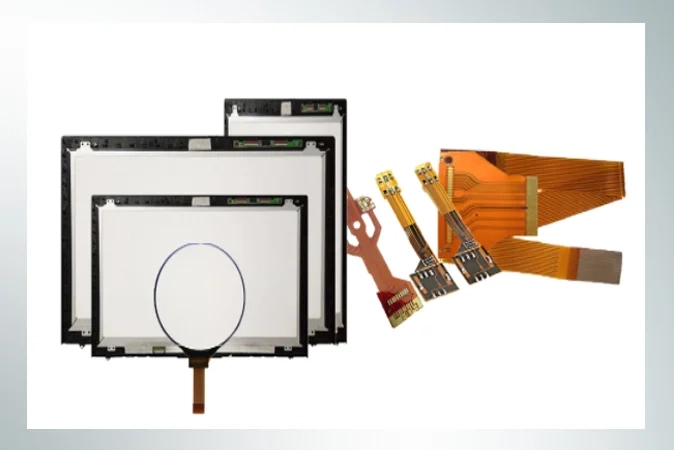
La tecnologia Thin-Film Transistor (TFT) migliora i pannelli LCD di base. Aggiunge un transistor ad ogni pixel. Di conseguenza, offre una migliore visualizzazione dei colori, livelli di contrasto più elevati, tempi di risposta più veloci e velocità di aggiornamento migliori rispetto ai display a matrice passiva. Moduli LCD TFT vedere ampio uso nei sistemi di controllo di fabbrica, attrezzature per immagini mediche, gruppi di strumenti per auto, strumenti portatili e correzioni IoT. I tipi includono modelli luminosi per la vista esterna, ampi intervalli di calore per punti difficili e versioni touch-added per collegamenti utente-macchina (HMI).
Perché l'interfaccia è importante nei display TFT
L'interfaccia controlla i dati inviati dal processore principale al pannello di visualizzazione. Influenza direttamente questi:
-
Flusso di dati e risoluzioni/frame rate supportate
-
Risparmio energetico, soprattutto nei progetti basati su batterie
-
Resistenza alle interferenze elettromagnetiche (EMI) e qualità del segnale
-
Facilità di pianificazione del PCB, esigenze di connettore e costo completo del sistema
-
Possibilità di lunghezza del cavo e rumore in configurazioni lunghe
Un'interfaccia sbagliata può danneggiare il lavoro, aumentare i costi di costruzione o ridurre la crescita della produzione.
Comprendere l'interfaccia RGB nei display LCD TFT
Come funziona l'interfaccia RGB
L'interfaccia RGB (o TTL/RGB parallela) invia i dati pixel in forma fianco a fianco. Utilizza linee impostate per percorsi rossi, verdi e blu più segnali di corrispondenza (HSYNC, VSYNC, DE). Questo modo semplice non richiede codice / decodifica extra. Si adatta a collegamenti diretti a microcontrollori (MCU) o processori di base.
Vantaggi dell'interfaccia RGB
-
Semplicità di implementazione: piccoli circuiti extra necessari. Ciò aiuta a creare e mescolare rapidamente modelli con vecchie MCU o piattaforme costruite a basso costo.
-
Bassa latenza: il flusso di dati laterali consente cambiamenti rapidi dei pixel. Aiuta compiti in tempo reale come contatori di fabbrica o sistemi orologi.
-
Costo-efficacia: meno esigenze di parti lo rendono buono per il livello di inizio o la realizzazione di grandi esecuzioni dove i limiti di denaro regolano.
-
Compatibilità: Ampio retro nei kit di costruzione più vecchi, progetti scolastici e progetti aggiornati.
RGB rimane comune in display di medie dimensioni fino a livelli WVGA, come unità da 5-7 pollici in strumenti intelligenti o semplici schede HMI.
Limitazioni dell'interfaccia RGB
-
Numero elevato di pin: spesso 18-24 linee di dati più controlli. Ciò porta a connettori più grandi e più spazio per il PCB.
-
Larghezza di banda limitata: ha problemi con livelli sopra WVGA o velocità di aggiornamento elevate a causa dei limiti di clock.
-
Degradazione del segnale: linee laterali aperte per mescolarsi su percorsi più lunghi delle linee corte. Non si adatta a cavi aggiunti.
Esplorare l'interfaccia MIPI DSI in schermi LCD TFT
Come funziona MIPI DSI
L'interfaccia seriale di visualizzazione MIPI (DSI) utilizza corsie di coppia seriale veloci (spesso 1-4 corsie) con invio basato su pacchetti. Segue le regole dell'Alleanza MIPI. Ciò consente un buon pacchetto dati, orologio integrato e modalità ordine per la configurazione più modalità video per lo streaming.
Vantaggi di MIPI DSI
-
Tasse di dati superiori: supporta livelli elevati (Full HD a 4K) e velocità di fotogramma elevate con meno pin. Questo si adatta alla grafica dura in forme piccole.
-
Ottimizzazione della potenza: Migliore codice e spedizione di taglio di spedizione. Ciò prolunga la durata della batteria negli strumenti portatili e IoT.
-
Layout compatto: il numero basso di pin (come 4-8 pin) taglia le dimensioni del connettore e la facilità del PCB. Permette costruzioni più sottili.
-
Scalabilità: Molto utilizzato nei nuovi processori (ad esempio, schede compatibili con Qualcomm, MediaTek, Raspberry Pi).
MIPI DSI fa bene in telefoni, tablet, articoli da indossare, schermi touch per informazioni automobilistiche e display di fabbrica di piccole e medie dimensioni di alto livello.
Svantaggi di MIPI DSI
-
Complessità di sviluppo: richiede controlli host corrispondenti, timing esatto e mix di driver.
-
Limiti di distanza: impostare per i collegamenti brevi. I cavi più lunghi rischiano la qualità del segnale senza reindirizzare.
-
Sensibilità al rumore: meno forte nei punti ad alta EMI rispetto alle scelte di coppia.
Decodifica dell'interfaccia LVDS in schermi LCD TFT
Come funziona LVDS
La segnalazione differenziale a bassa tensione (LVDS) utilizza linee di coppia abbinate per inviare dati. Riduce i movimenti di tensione e EMI mantenendo velocità elevate. Le impostazioni comuni includono un canale (fino a 1120 Mbps) o due canali per un flusso maggiore.
I vantaggi dell'interfaccia LVDS
-
Immunità al rumore: l'invio di coppia rimuove il mix in modalità condivisa. Mantiene costante nei luoghi di fabbrica, nei luoghi medici o nelle impostazioni automobilistiche.
-
Larghezza di banda elevata: gestisce Full HD, WUXGA e altro ancora con un lavoro sicuro.
-
Distanza estesa: supporta lunghezze di cavi di alcuni metri senza grande caduta.
-
Standard dell'industria: conduce in schermi pro-grado e pannelli grandi.
LVDS si adatta a HMI di fabbrica, display di controllo medico, gruppi di auto e esigenze di segnali esterni che richiedono resistenza.
Punti negativi dell'interfaccia LVDS
-
Power Draw: superiore al MIPI nelle casse da trasporto.
-
Connector Bulk: richiede cavi e connettori più duri.
-
Meno Ideale per dispositivi compatti: troppo per piccoli compiti a basso consumo energetico.

Differenze tecniche tra RGB, MIPI e LVDS
| Parametri | Interfaccia RGB | Interfaccia MIPI DSI | Interfaccia LVDS |
|---|---|---|---|
| Tipo di trasmissione | Parallele | Differenziale seriale ad alta velocità | Differenziale accoppiato |
| Velocità dati | Medio (fino a WVGA) | Molto alto (Full HD) | Alta (Full HD) |
| Contaggio Pin | Alto (18-24 ) | Basso (4-8 tipico) | Medio (10-20) |
| Consumo di energia | Medio-Alto | Basso | Medio |
| Distanza del cavo | breve | breve | Lunghezza (metri) |
| Immunità EMI/rumore | Basso | Medio | Alto |
| Applicazioni tipiche | Incorporato sensibile ai costi, MCU | Mobile, wearable, compatto ad alta risoluzione | Industriale, automobilistico, medico |
| Costo/Complessità | Basso | Medio-Alto | Medio |
Scegliere l'interfaccia LCD TFT giusta per applicazioni specifiche
Ottimo per progetti a bassa potenza e compatti
MIPI DSI mostra meglio per prodotti a batteria o a tenuta a camera. Offre risparmio e buon lavoro in strumenti come strumenti medici manuali, contatori intelligenti o HMI automobilistici.
Ottimo per display ad alta risoluzione e su larga scala
LVDS garantisce la massima sicurezza per i punti duri. Supporta il cablaggio lungo e la forte esecuzione in auto di fabbrica, grandi schermi medici o schede auto.
Ottimo per progetti di budget e semplicità
RGB offre un mix economico per sistemi semplici, come i controlli del calore, le guide di fabbrica di base o i vecchi aggiornamenti.
Extra pensa di coprire il calore di lavoro, le esigenze luminose (ad esempio, vista solare 1000 nits), touch mix (capacitivo con I²C / USB) e certificati (ISO9001, IATF16949 per auto / medico).
Tendenze del settore e prospettive future
MIPI DSI ottiene velocità nelle aree automobilistiche e IoT a causa delle esigenze energetiche e di livello. LVDS rimane leader nei mercati industriali e professionali per la sua forza dimostrata. RGB dura nei punti guidati dal denaro. Correzioni di mix, schede adattatore e nuove interfacce come eDP aggiungono a queste regole.
Conclusione: Scegliere l'interfaccia TFT LCD ottimale
La corrispondenza di livello, energia, costo, lunghezza e fattori spot mantiene il lavoro del display superiore. RGB si adatta alla facilità, MIPI fa bene nel risparmio e nelle piccole dimensioni, mentre LVDS fornisce resistenza per stati difficili.
Display Kadi, un produttore e fornitore leader di LCD TFT industriali con sede a Shenzhen con oltre 20 anni di esperienza, offre un portafoglio completo di moduli LCD TFT personalizzati che supportano RGB, MIPI DSI, LVDS e altre interfacce. Come fabbrica dedicata che fornisce servizi OEM / ODM, Kadi Display fornisce soluzioni touch-enabled ad alta luminosità, ad ampia temperatura per applicazioni industriali, mediche, automobilistiche e embedded, sostenute da rigorose certificazioni di qualità e forniture globali affidabili.
Domande frequenti
Qual è la differenza principale tra interfacce RGB e MIPI negli schermi LCD TFT?
RGB utilizza trasmissione parallela con numeri di pin più elevati per impostazioni più semplici e a basso costo, mentre MIPI impiega corsie ad alta velocità seriali per una migliore efficienza energetica e progetti compatti in applicazioni ad alta risoluzione.
Quando si dovrebbe scegliere LVDS rispetto a MIPI per moduli TFT LCD?
LVDS è preferibile in ambienti industriali o automobilistici rumorosi che richiedono lunghe corse di cavi e immunità al rumore superiore, mentre MIPI si adatta a distanze più brevi, bassa potenza e esigenze ad alta risoluzione.
I display LCD TFT possono supportare più interfacce?
Molti produttori, inclusi quelli che offrono soluzioni personalizzate, forniscono varianti o schede adattatrici per ospitare RGB, MIPI o LVDS in base alle esigenze del progetto.
Quali fattori influenzano il consumo di energia nelle interfacce TFT?
Le interfacce seriali come MIPI generalmente consumano meno energia a causa di una codifica efficiente, mentre RGB parallelo e LVDS utilizzano più a causa di più linee attive.
Queste interfacce sono compatibili con la funzionalità touch?
Sì, il touch capacitivo (CTP) si integra tramite canali I²C o USB separati, indipendentemente dall'interfaccia video.
Partner con un produttore e fornitore fidato di TFT LCD
Le aziende che cercano schermi LCD TFT affidabili e ad alte prestazioni beneficiano della collaborazione con una fabbrica consolidata come Kadi Display. Contatta il team al Sales@sz-kadi.com oppure 86-13662585086 per preventivi personalizzati, consulenze tecniche o per esplorare la gamma completa di moduli LCD TFT di qualità industriale con interfacce RGB, MIPI, LVDS, opzioni ad alta luminosità e soluzioni su misura. Assicurare la fornitura a lungo termine e il supporto esperto per i prossimi progetti oggi.
PREVIDENTE
Cosa rende i display TFT superiori ai tradizionali LCD?
Prossimo
Applicazioni di display LCD industriali in dispositivi medici
Lascia un commento

Ultimi Blog & Notizie
- Native MIPI DSI vs LVDS or HDMI Bridge: An OEM Display Architecture Decision Guide
- MIPI DSI Display Driver Development for Embedded Linux What Hardware Buyers Need to Confirm
- Display Interface Bridge Conversion Limits: What a Bridge IC Can and Cannot Change
- Why LCD Screens Go Black Through Polarized Sunglasses and How to Prevent It
- How to Diagnose an LCD That Is Slow Flickers or Fails to Start in the Cold
Blog & Notizie correlate
-
 TN contro IPS2024-7-9
 -
TN contro IPS2024-7-9