
Casa
-
Blog & Notizie
-
Pannelli TN, IPS e VA: guida comparativa per l'uso industriale e automobilistico.
Pannelli TN, IPS e VA: guida comparativa per l'uso industriale e automobilistico.
2026-05-07
00:00
Introduzione
Il rapido sviluppo dell'automazione, dei veicoli intelligenti e delle configurazioni digitali per esterni ha messo a dura prova i limiti di ciò che i robusti dispositivi di livello industriale TFT LCD La tecnologia ce la può fare. Entro il 2026, i moduli display non saranno più giudicati solo in base alla risoluzione o alla frequenza di aggiornamento: dovranno resistere a vibrazioni, polvere, esposizione ai raggi UV e temperature estreme, mantenendo al contempo nitidezza e reattività. Questi pannelli sono diventati i centri nevralgici visivi di macchinari pesanti, veicoli elettrici e interfacce uomo-macchina industriali.
La scelta tra pannelli TN, IPS e VA va ben oltre una semplice questione tecnologica. Rappresenta una mossa strategica per il business. Ogni tipologia di pannello offre compromessi unici in termini di costi, fedeltà cromatica e durata, che incidono direttamente sul costo totale di proprietà negli ambienti B2B.
Display Kadi è diventata un marchio affidabile per la riparazione di display robusti. L'azienda si distingue per la sua ingegneria accurata e le opzioni di personalizzazione flessibili. Fornisce display conformi agli standard ISO9001/IATF16949/ISO13485. Tali certificazioni sono di fondamentale importanza in settori in cui i tempi di inattività sono inaccettabili.
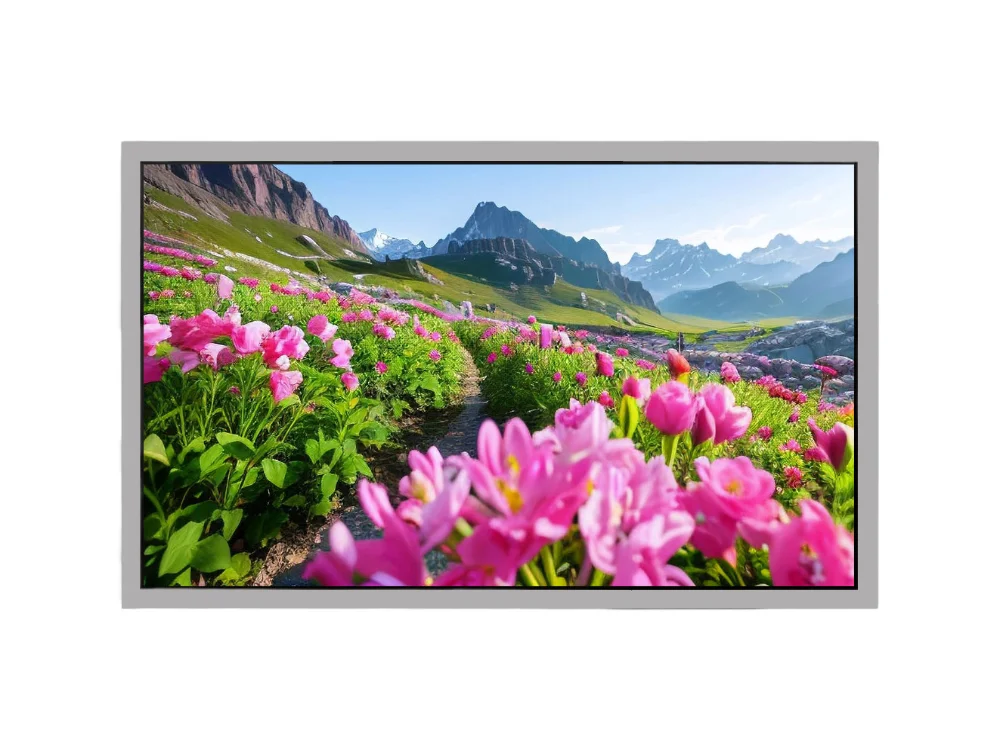
Analisi tecnica: tecnologia TN vs. IPS vs. VA
TN (Nematico torso)
La tecnologia TN si conferma un'opzione affidabile per le applicazioni industriali di base. Consente di risparmiare denaro e consuma poca energia. Tuttavia, presenta delle difficoltà con angoli di visualizzazione ristretti e variazioni di colore quando vista lateralmente. Per cruscotti fissi o apparecchiature con un budget limitato destinate a installazioni in ambienti interni, la tecnologia TN è una soluzione ideale.
IPS (commutazione in aereo)
I pannelli IPS sono considerati la scelta migliore per ambienti esterni e luoghi con più utenti. Il display LCD TFT IPS vanta un angolo di visione fino a 178 gradi. Questa configurazione mantiene l'immagine nitida e i colori fedeli da quasi ogni angolazione. Un angolo di visione così ampio garantisce una leggibilità costante. Funziona perfettamente anche quando gli operatori cambiano posizione all'interno di un veicolo o in una sala di controllo. L'ottima resa cromatica e la solida qualità costruttiva lo rendono resistente agli urti e alle sollecitazioni. È quindi ideale per condizioni di utilizzo difficili.
VA (allineamento verticale)
I pannelli VA si collocano a metà strada tra i TN e gli IPS in termini di prestazioni complessive. Offrono neri più intensi e un contrasto più elevato rispetto agli altri. Tuttavia, potrebbero presentare lievi variazioni di colore se osservati da angolazioni molto ampie. In condizioni di scarsa illuminazione o in ambienti serali, come ad esempio i cruscotti delle auto, i pannelli VA offrono un'ottima visibilità senza consumare troppa energia.
Aggiornamenti tecnologici del 2026
Le nuove tecnologie hanno migliorato la resistenza al caldo e al freddo di tutti e tre i tipi di schermo, da -30 °C a +85 °C. Anche gli strati antiriflesso contribuiscono a questo risultato. Inoltre, le fasi di incollaggio ottico migliorano la leggibilità alla luce del sole. I controller di livello industriale ora sincronizzano le frequenze di aggiornamento per ridurre la sfocatura in ogni tipo di pannello.
Analisi comparativa delle prestazioni
| Caratteristiche | TN | IPS | VA |
| Angolo di visione | Stretto (~90°) | Molto ampio (178°) | Moderato (~160°) |
| Accuratezza del colore | limitato | Eccellente | Buono |
| Rapporto di contrasto | Basso | Medio | Alto |
| Tempo di risposta | Veloce | Veloce | Leggermente più lento |
| Efficienza dei costi | Alto | Moderato | Moderato |
Angoli di visione
Nelle configurazioni con più operatori, come le cabine delle macchine agricole o i pannelli di controllo degli impianti, la tecnologia IPS è la soluzione ideale. Il display LCD TFT IPS offre un angolo di visione fino a 178 gradi, consentendo a più persone di visualizzare contemporaneamente le informazioni corrette. Non si verificano distorsioni, un vantaggio fondamentale quando la sicurezza dipende da una visibilità chiara da qualsiasi angolazione.
Precisione del colore e leggibilità alla luce solare
Le applicazioni all'aperto, come sui golf cart o sui carrelli elevatori, richiedono moduli LCD luminosi che contrastino i riflessi. I display ad alta luminosità mantengono i contenuti nitidi in qualsiasi condizione di luce. Danno il meglio di sé soprattutto in presenza di forte riverbero esterno. I display LCD TFT industriali di Kadi Display Spesso raggiungono una luminosità superiore a 800 cd/m². Alcuni arrivano addirittura a 2500 cd/m² per l'utilizzo sotto la luce diretta del sole.
Velocità di risposta e frequenza di aggiornamento
Nei sistemi di automazione in cui il tracciamento del movimento è fondamentale, come nel monitoraggio dei nastri trasportatori o dei bracci robotici, la velocità di risposta determina l'usabilità. Il display IPS TFT LCD offre una velocità di risposta più elevata, con cambi di colore rapidi. Questo riduce al minimo le striature e le immagini persistenti, contribuendo a evitare la sfocatura nelle visualizzazioni in rapido cambiamento.
Applicazione in primo piano: Agricoltura e utilizzo dei veicoli
Macchinari agricoli
I trattori moderni integrano interfacce HMI touch che rimangono leggibili anche sotto il sole, resistendo alle vibrazioni causate da terreni accidentati. Gli affidabili moduli IPS di Kadi Display offrono un'ampia visibilità grazie alle robuste coperture in vetro. Questi moduli si adattano a custodie personalizzate. Il processo produttivo dell'azienda utilizza rigorosi controlli AOI nelle fasi FOG (Flight Over Ground). Ciò garantisce una stabilità duratura nel tempo.
Carrelli da golf e veicoli elettrici
I cruscotti dei veicoli elettrici di piccole dimensioni necessitano di schermi leggibili alla luce del sole con un basso consumo energetico. Questo è fondamentale per i veicoli elettrici in condizioni di luce variabile.
Interfaccia HMI industriale
Negli ambienti industriali in cui si lavora 24 ore su 24, in zone calde o polverose, la stabilità delle prestazioni è fondamentale. I display LCD TFT di livello industriale di Kadi mantengono un'emissione luminosa uniforme per migliaia di ore, contrastando il problema della persistenza dell'immagine tipico dei pannelli tradizionali.
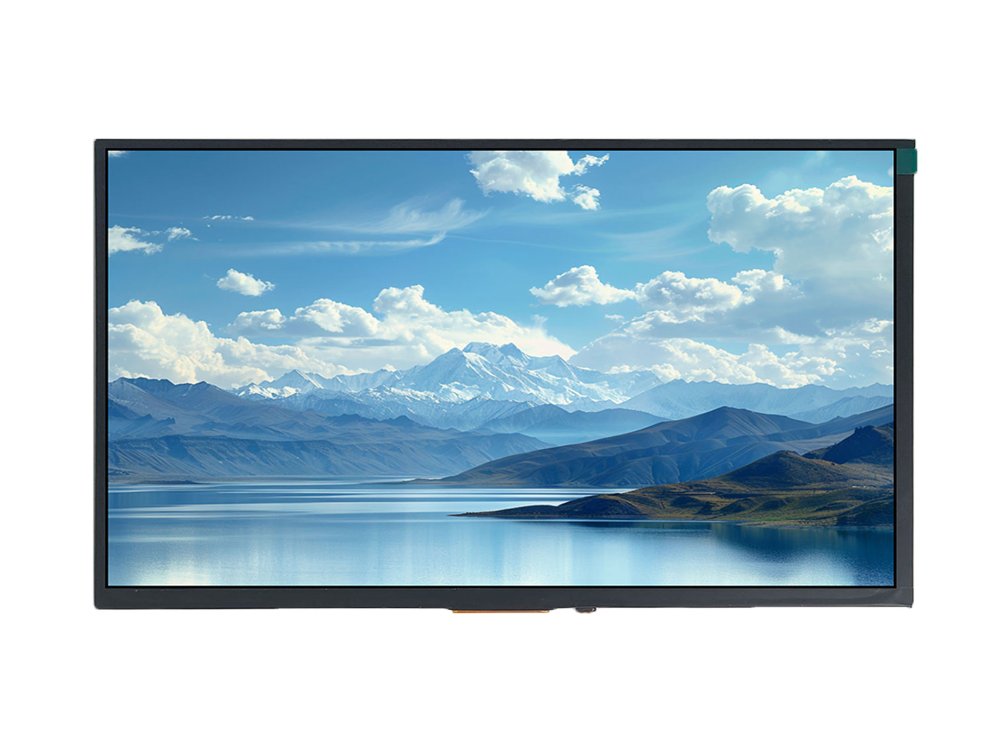
Strategia di approvvigionamento B2B e matrice di selezione per il 2026
Scegliere il display giusto significa molto più che controllare le specifiche. È una questione che ha ripercussioni sul budget a lungo termine.
-
Costo vs. Ciclo di vita: La tecnologia TN è adatta per schermi fissi economici con un budget limitato. Tuttavia, l'IPS offre una qualità visiva duratura ed è in linea con i futuri stili HMI.
-
Vincoli ambientali: Abbina i tipi di pannello ai livelli di protezione IP. La tecnologia IPS gestisce bene le variazioni di temperatura. Punti di cristalli liquidi più elevati contribuiscono a questo risultato.
-
Le soluzioni specializzate di Kadi Display: L'azienda fornisce moduli personalizzati da 7 a 15 pollici. Questi sono ideali per le macchine agricole impegnate nella "Rivoluzione Verde" mondiale. Le opzioni includono l'intensità della retroilluminazione, i tipi di connessione come LVDS/MIPI/HDMI, il design del case e persino l'aggiunta del logo. Il tutto si adatta alle esigenze del progetto.
Conclusioni e prospettive future
Oggi la progettazione di display industriali non si basa più solo sulla scelta del pannello "migliore" sulla carta, ma sull'individuazione della tecnologia in grado di resistere alle sollecitazioni del mondo reale senza compromettere la visibilità o l'affidabilità. Con l'evoluzione dei settori verso veicoli più intelligenti e interfacce intuitive per le macchine, la collaborazione con produttori come Kadi Display diventa fondamentale per garantire robustezza e nitidezza anche in condizioni difficili.
Garantire la conformità con le normative commerciali globali del 2026 e i requisiti industriali richiede soluzioni di visualizzazione ad alte prestazioni; pertanto, per specifiche tecniche dettagliate o supporto al progetto, il team di Kadi Display Rimane disponibile per consulenze professionali.
Domande frequenti
D1: Quale tipo di pannello offre la migliore visibilità sotto la luce diretta del sole per le attrezzature agricole da esterno?
A: Sebbene i pannelli IPS offrano angoli di visualizzazione superiori, la leggibilità alla luce del sole dipende dalla retroilluminazione ad alta luminosità combinata con tecniche di incollaggio ottico. I display ad alta luminosità mantengono la visibilità dei contenuti in diverse condizioni di illuminazione, soprattutto in ambienti esterni con forte luce. Kadi Display ottimizza le sue linee di prodotti IPS e VA specificamente per tali condizioni.
D2: In che modo le temperature operative estreme influenzano la scelta tra pannelli IPS e TN in ambienti industriali?
A: I pannelli IPS di livello industriale odierni sono progettati per funzionare in modo affidabile da -30 °C a +85 °C, grazie al miglioramento della stabilità dei cristalli liquidi in prossimità del loro punto di transizione di fase. Questo li rende adatti a sostituire i tradizionali moduli TN, un tempo predominanti, a causa delle esigenze di resistenza termica.
D3: La tecnologia VA rappresenta una soluzione intermedia valida per progetti HMI per veicoli con budget limitati?
R: Sì. I pannelli VA offrono eccellenti rapporti di contrasto, vantaggiosi per l'utilizzo notturno, pur mantenendo costi contenuti. Tuttavia, una leggera variazione di colore ad angoli di visuale più ampi li rende più adatti ad applicazioni con un singolo utente, come i cruscotti delle auto, piuttosto che a schermi condivisi.
D4: Quali sono i principali fattori che causano l'effetto fantasma nelle immagini visualizzate su display industriali robusti e come è possibile attenuarlo?
A: L'effetto ghosting è in genere causato da tempi di risposta più lenti o da frequenze di aggiornamento non sincronizzate tra le schede controller e i pannelli. Kadi Display impiega metodi avanzati di sincronizzazione del controller nella sua gamma di display LCD TFT industriali per ridurre efficacemente la sfocatura da movimento durante le attività di monitoraggio in tempo reale.
D5: Perché la “disponibilità a lungo termine” (supporto EOL) è importante quanto la tecnologia del pannello per l'elettronica B2B?
A: Nei cicli di approvvigionamento industriale che durano cinque anni o più, la stabilità delle catene di fornitura è importante quanto le specifiche stesse. La disponibilità a lungo termine garantisce la compatibilità della manutenzione tra le diverse generazioni di prodotto, un punto di forza fondamentale dell'approccio di Kadi Display a supporto dei clienti OEM a livello globale.
PREVIDENTE
Display TFT LCD: Guida essenziale per l'uso industriale e medicale nel 2026
Prossimo
L'elevata luminosità non è più un'opzione premium
Lascia un commento

Ultimi Blog & Notizie
- MIPI DSI Display Driver Development for Embedded Linux What Hardware Buyers Need to Confirm
- Why PCAP Touchscreens Need Retuning After Cover Glass Coating or Optical Bonding Changes
- Why Outdoor LCDs Fog Inside: Condensation, Sealing, Vents, and Heaters
- IP65 vs IP67 Industrial Displays: What the Rating Actually Covers
- How to Specify a Touchscreen for Food-Processing Equipment
Blog & Notizie correlate
-
 TN contro IPS2024-7-9
 -
TN contro IPS2024-7-9