
A Step-by-Step Guide to Mastering MIPI DSI
2026-02-06
10:00
MIPI DSI means Mobile Industry Processor Interface Display Serial Interface. It has grown into one of the most common display links in today’s gadgets. The MIPI Alliance created this fast serial standard. It links processors or system-on-chips (SoCs) to many kinds of screens. These include LCD, OLED, and AMOLED panels. People like it because it mixes good speed, low energy use, less electrical noise, and far fewer pins than old parallel links. These traits make MIPI DSI the top pick for small, battery-run devices. It also works well for high-detail work and car screens.
The standard has changed a lot over time. The newest one, MIPI DSI-2, adds even better options. It handles clear views up to 8K. It supports frame rates up to 120 per second. It brings new body layers like C-PHY. These join the usual D-PHY. So engineers can get more speed. They do this while keeping energy use and electrical noise low. This guide covers the main ideas, parts, work ways, good points, and real uses of MIPI DSI. It does so in a simple and useful manner.
What Is MIPI DSI and MIPI DSI-2?
Understanding the Basics of MIPI DSI
MIPI DSI is a fast serial link made just to send video info and control orders from a main processor to a screen panel. Old parallel RGB links needed many data lines. But MIPI DSI uses pair signaling. It needs only a few wires. These are often one to four data paths plus a clock path. This big drop in pin number makes board design easier. It cuts build costs. And it helps fit things into tight spaces.
The Evolution to MIPI DSI-2
MIPI DSI-2 is the next step in the standard. It came out to meet the need for very clear content. It gives much more speed room. And it works with older DSI setups. So now engineers can run 4K, 5K, and even 8K screens at fast frame rates. They do this without losing energy savings or signal quality. The C-PHY body layer helps more. It sends three bits of data per sign. This is better than one bit per sign in D-PHY.
MIPI Communication Levels
Interface Level: Handling Physical Signaling
At the base level, MIPI DSI deals with body signaling through different work states. High-speed (HS) state sends data fast during video play. Low-power (LP) state manages start-up, setup, and control orders. The link can also go into very low-energy states when the screen rests. This helps make battery life longer in handheld items.
Packet Level: Organizing Data Efficiently
Above the body layer, MIPI DSI uses a packet rule. Short packets hold control orders like register changes or light tweaks. Long packets move big loads of pixel info for video frames. Each packet has fronts, main parts, and error-check codes. So it keeps talks reliable even in noisy spots.
Key Features of MIPI DSI
Extremely High Data Transfer Speeds
New MIPI DSI setups can reach many gigabits per second per path. With four paths at top speed, the link easily runs smooth 4K video at 60 frames per second or more.
Excellent Power Efficiency
A top strength of MIPI DSI is its smooth switch between high-speed burst state for video send and low-power state for rest or order times. This smart energy control cuts total system use a lot.
Superior EMI Performance
Pair signaling works with tight control on rise and fall times. This keeps electrical noise very low. It matters a lot in packed devices with many fast links.
Flexible Lane Configurations
Designers can change speed by picking one, two, or four data paths. They base it on needed clearness and frame rate. This bend lets the same link serve low-energy watches and top car screens.
Dedicated Control and Data Channels
MIPI DSI splits video flow from order traffic. This split boosts work and lets the screen get setup notes without stopping video out.
Standardized Display Command Set
A full group of standard orders lets makers control light, color fix, color area change, part update spots, and many other screen jobs. They do this in a steady way across different panel makers.
MIPI DSI Operating Modes Explained
Command Mode: Ideal for Static and Low-Refresh Displays
Command mode fits screens with built-in frame store memory (GRAM). In this state, the main sends full frames or part changes to the screen’s own store. Once the info sits there, the panel updates the view on its own. This cuts the main processor’s job and energy use by a lot.
Video Mode: Perfect for Real-Time Streaming
Video mode keeps sending pixel info non-stop in real time. It acts like an old parallel RGB link but uses serial paths. This state works for screens without built-in store. And it fits when smooth, high-frame video play is key.
Major Advantages of MIPI DSI
MIPI DSI brings many strong perks that led to its wide use. The small pin count cuts board work and build costs a lot. Energy use stays low due to smart state changes. Electrical noise stays in check with pair signaling. Speed grows easy to back the newest high-clear and high-frame screens. Plus, the link gives strong help for 3D view content. This makes it good for new AR/VR uses.
Typical Applications of MIPI DSI
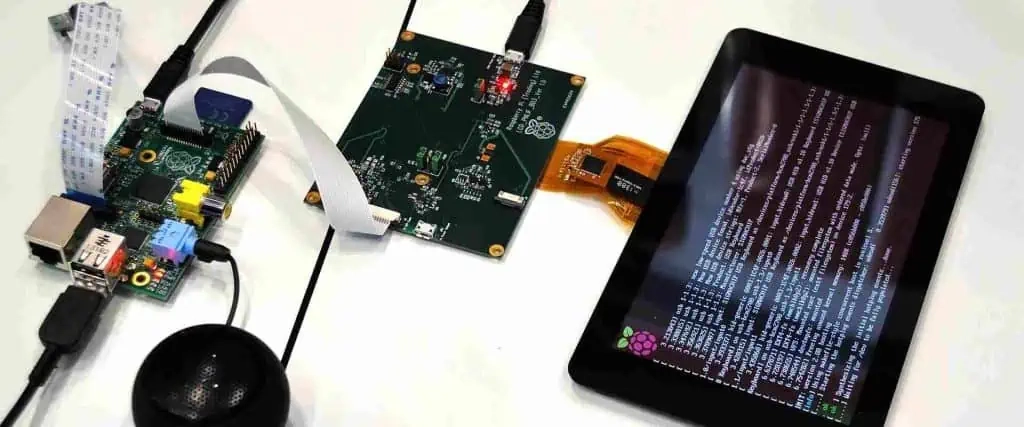
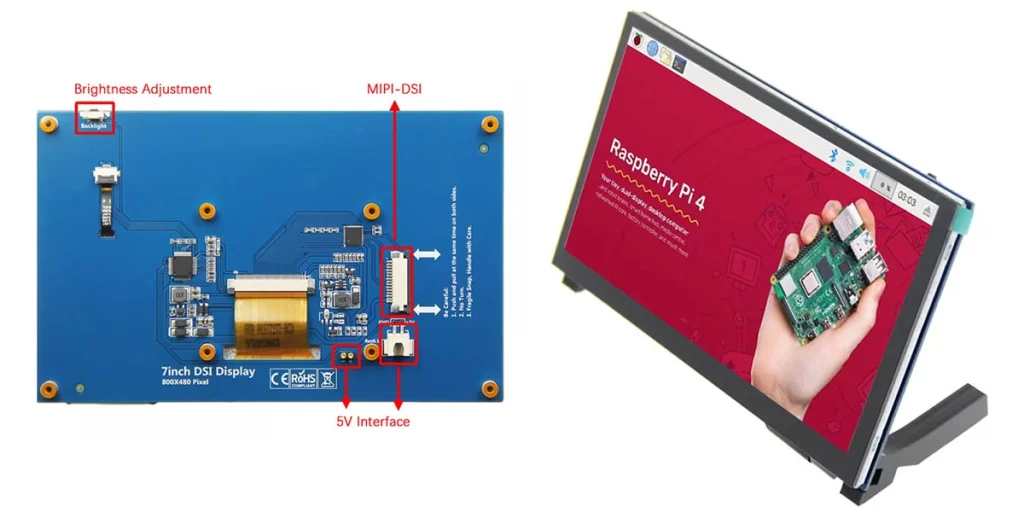
MIPI DSI shows up in a huge mix of items. Phones and pads use it for their high-clear OLED or LCD screens. Watches and other body-worn tech use MIPI DSI to run small, energy-saving screens. Notebooks and thin books now pick the link for slimmer edges and better battery time. In cars, MIPI DSI runs dash boards, middle controls, and back seat fun systems. VR and AR gear need its high speed for deep feel. Work HMIs, health image tools, smart home gear, and built-in setups like Raspberry Pi projects often add MIPI DSI screens.
MIPI Interface Family Overview
MIPI CSI: The Camera Counterpart
MIPI DSI deals with screen out. But MIPI CSI (Camera Serial Interface) handles fast image info from camera parts to the processor. Both links share like body tech. So makers can build steady fast serial parts.
MIPI DSI: Focused on Display Connectivity
MIPI DSI stays the main rule for screen jobs. It gives tuned order sets and video flow states made just for new panel tech.
Conclusion
MIPI DSI keeps being the main link to join processors to screens in buyer, work, and car markets. Its mix of good speed, low energy use, less noise, and design bend keeps it useful. This holds even as screen clearness and frame rates go up. MIPI DSI-2 stretches these perks more. It lets folks back top 8K and high-frame jobs without losing work save.
Kadi Display is a pro work TFT LCD screen maker and seller in Shenzhen, China. It has over 20 years in the area. The firm focuses on good TFT LCD parts, custom screen fixes, and MIPI DSI links. Kadi Display helps many fields. These include work control, built-in systems, health gear, and outside uses. As a direct-from-plant seller with ISO9001, ISO14001, ISO13485, and IATF16949 papers, Kadi Display gives bendy OEM and ODM help. It offers long supply trust and full one-stop fixes for makers and system joiners around the world.
Partner with Kadi Display for Your MIPI DSI Display Needs
Business seeking steady MIPI DSI TFT LCD parts or full custom screen fixes can count on Kadi Display’s know-how. As a top maker, seller, and plant, Kadi Display gives high-light IPS panels, touch add-ons, and smooth match with spots like Raspberry Pi. Reach the team now to talk project needs, ask for tests, or get good price bids for big runs. Link up by email at sales@sz-kadi.com or phone at +86-13662585086. Find out how Kadi Display can back your long supply line and custom screen needs.
Frequently Asked Questions (FAQ)
What is MIPI DSI?
MIPI DSI is a high-speed serial interface standard developed by the MIPI Alliance for connecting processors to display panels with low power, reduced EMI, and high bandwidth.
How does MIPI DSI-2 differ from the original MIPI DSI?
MIPI DSI-2 offers higher bandwidth, support for 8K resolutions and higher refresh rates, and advanced physical layers like C-PHY, while remaining backward compatible.
What are the two main operating modes of MIPI DSI?
Command mode is used for displays with internal frame buffer memory, while video mode streams pixel data in real time for displays without onboard RAM.
What are the biggest advantages of using MIPI DSI?
Key benefits include lower cost, reduced power consumption, lower EMI, fewer pins, high bandwidth, and strong industry support.
In which industries and products is MIPI DSI most commonly used?
It is widely found in smartphones, tablets, wearables, laptops, automotive displays, VR/AR headsets, industrial HMIs, medical devices, and embedded systems like Raspberry Pi.
Does Kadi Display manufacture MIPI DSI displays?
Yes, Kadi Display produces a full range of MIPI DSI-compatible TFT LCD modules, including high-brightness and touch-enabled options optimized for industrial and Raspberry Pi applications.
PREVIOUS
Display Coatings How AG, AF, and AR Solutions Solve Critical Display Problems
NEXT
Choosing the Best Display for Your Embedded Device
Leave A Comment