BLOG & NEWS
Home
-
Blog & News
-
IPS vs Other Panels How to Select Display Interfaces for Embedded and Industrial TFT LCD

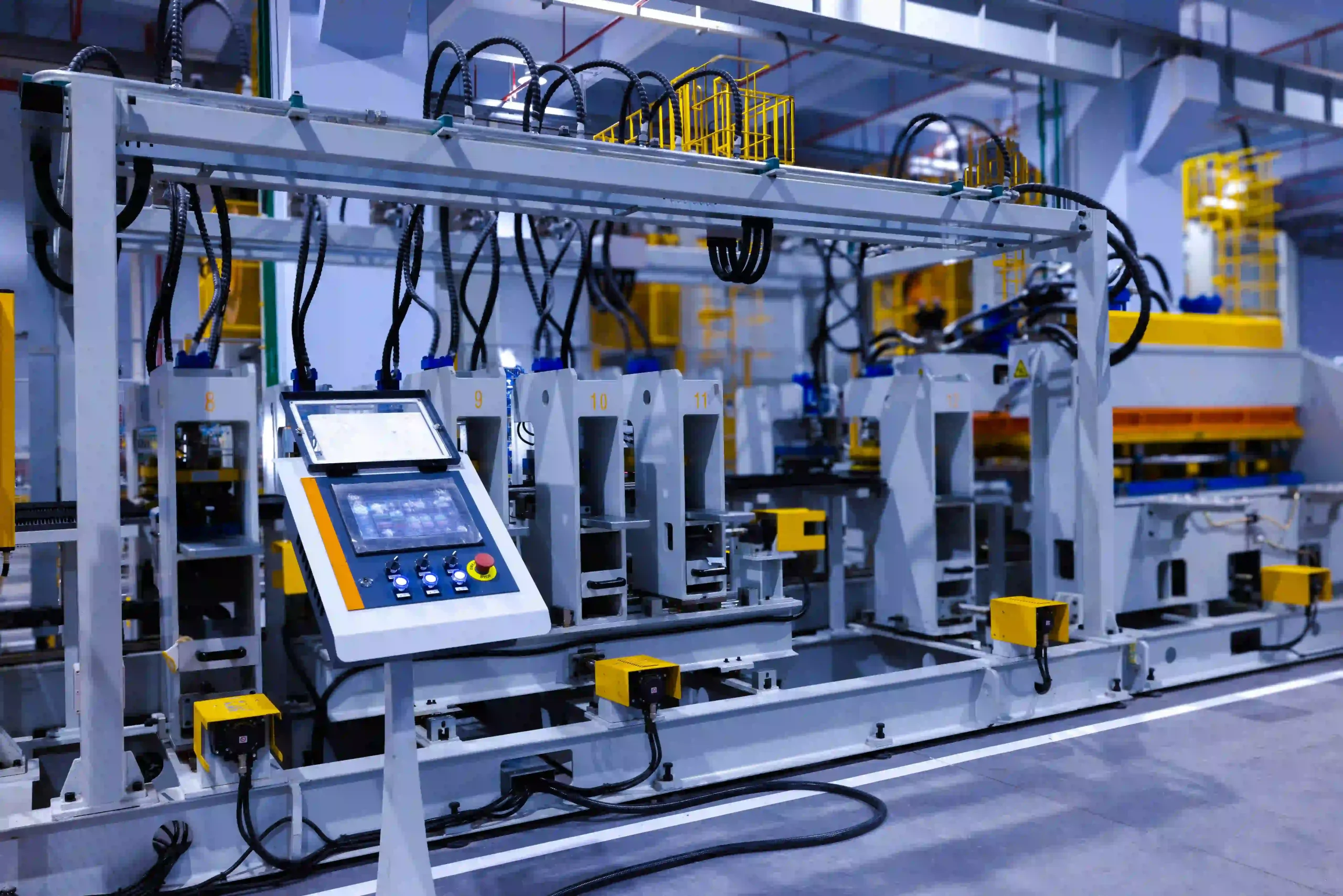
TFT LCD technology serves as a key part in modern embedded and industrial electronics. This is due to its solid performance, dependability, and flexibility in various settings. From automated assembly lines to portable health tools, industrial TFT LCD modules fit into systems where steady results and toughness are vital.
These displays often appear in:
Human-Machine Interfaces (HMIs) for factory automation
Medical imaging and diagnostic tools
Vehicle instrumentation and infotainment systems
Rugged handheld terminals and barcode scanners
Display quality in tough industrial spots gets judged by brightness, especially for use outside. Contrast ratio matters for clear images. Viewing angles help with group or on-the-move viewing. And mechanical strength is key too.
The IPS TFT LCD has a viewing angle of up to 178 degrees. This allows the image to keep strong color truth and sharpness from nearly any spot. This feature sets IPS apart for tasks where data must show clearly from many directions.
Various panel types—IPS, TN, VA, and MVA—each offer unique benefits and drawbacks. Picking the best one relies a lot on the final use.
Wide viewing angles
Consistent color reproduction
Good response time
Higher cost compared to other panel types
Fastest response times
Low power consumption
Inexpensive
Narrow viewing angles and poor color fidelity
Deep contrast and black levels
Moderate viewing angles
Slower response time than TN
Less color accuracy than IPS
Grasping these differences aids engineers in weighing choices. They do this when building embedded systems. Here, display quality impacts ease of use and safety directly.
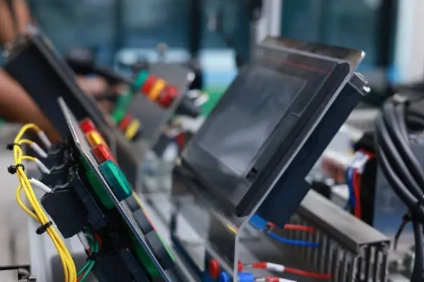
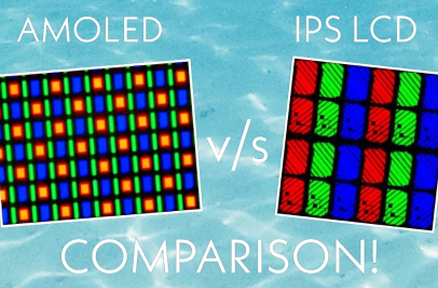
IPS (In-Plane Switching) panels line up liquid crystals side by side with the display surface. Unlike TN panels, where crystals twist up and down, this flat setup lets light pass evenly no matter the viewing spot.
This setup boosts viewing angles and color steadiness across the screen. For group settings like control rooms or public transit screens, where people may not look straight on, this matters a lot.
Industrial tasks often face rough conditions. These include changing temperatures, long run times, and shifting light. In such spots:
Top color truth aids tasks needing exact visual data. For example, health checks gain from true shows of scan info.
The IPS TFT LCD has a faster response speed and can quickly switch between different colors, reducing smearing and afterimages.
High durability, able to withstand a certain degree of impact and pressure makes it ideal for rugged industrial use.
TN panels stay popular because of their low price and quick response times. People often pick them for portable check devices or budget projects where narrow viewing spots work fine.
Yet, their downsides—weak color show and tight viewing ranges—can limit ease of use. This happens mainly in team or changing settings.
VA panels provide excellent contrast and deep blacks, making them suitable for control rooms or low-light applications. However, they fall behind IPS in color accuracy and viewing angle consistency.
| Feature | IPS | VA | TN |
| Viewing Angle | Excellent | Moderate | Poor |
| Color Accuracy | High | Moderate | Low |
| Contrast Ratio | Good | Excellent | Fair |
| Response Time | Moderate | Slow | Fast |
| Power Consumption | Moderate | Low–Moderate | Very Low |
| Cost | Higher | Mid-range | Low |
Choosing an interface is as important as the panel type in designing industrial systems. The most common display interfaces include:
RGB: Simple parallel interface for basic displays
LVDS: High-speed interface suitable for high-resolution applications
eDP (embedded DisplayPort): Scalable bandwidth for ultra-HD content
MIPI DSI: Compact form factor with excellent power efficiency
HDMI: Common in multimedia-rich applications
SPI: Ideal for low-data-rate applications
Customize the interface, TTL/LVDS/MIPI/EDP/DP/HDMI/Type-C/VGA/USB-A
Each interface fits best in certain spots:
LVDS or eDP: Ideal for high-resolution HMI panels in manufacturing environments
MIPI DSI: Frequently used in space-constrained embedded systems such as wearables or handhelds
SPI: Sufficient for low refresh rate displays in devices like thermostats or industrial meters
Industrial-grade designs often need displays to work in broad temperature ranges.
Also key: resistance to shakes. Mounts that absorb shocks may be needed to keep connectors solid in vehicle setups.
For gear run on batteries or away from power lines, picking energy-saving display interfaces like MIPI DSI matters. Or choose panels with less backlight needs. TN panels still fit well here because of their natural low power use.
Strong energy saving makes some IPS options workable even in designs that watch power closely.
The actual size of the panel—thickness, bezel width, mounting choices—affects how well it fits into a case. For example:
The physical size of the panel—such as thickness, bezel width, and mounting choices—affects how well it fits into a case. Kadi Display offers customization for housing design, backlight brightness, panel thickness, and other parameters to simplify assembly and integration.
Also think about touch features—whether capacitive or resistive—and make sure they match interface needs.
IPS panels cost more but provide better readability, longer life, and nicer user feel. For projects tight on money, VA or TN can work with right software tweaks to boost visible quality.
One way is to save top displays for main control spots or key operator desks. Then use TN panels for extra interfaces.
Using flexible interfaces like eDP lets you shift to higher resolutions later without a full redo. In the same way, a modular setup—keeping panel separate from controller—helps make systems last longer by allowing updates.Embedded solutions from Kadi Display showcase long-term support and adaptability.
| Application Type | Recommended Panel & Interface |
| Medical Imaging | IPS panel + eDP interface |
| Factory Automation HMI | VA panel + LVDS interface |
| Portable Diagnostic Tools | TN panel + SPI interface |
| Vehicle Systems | IPS panel + MIPI DSI |
| Control Rooms | IPS panel + HDMI or eDP |
Each of these setups shows a mix of clear visuals, toughness against surroundings, power saving, and easy fitting.
A solid embedded display fix needs more than just picking a panel. It involves seeing how that panel works with the system’s electrical setup, its case, its users—and the future demands of the product cycle. Good results come from team work among electrical experts, mechanical planners, and UI creators.
About Kadi Display demonstrates the capability to support such cross-disciplinary design efforts through custom display modules tailored to specific industrial use cases.
Choosing the right industrial TFT LCD goes beyond just specs. It means finding a good match between the setting, user habits, system limits, and lasting viability. The rising need for better image quality and easy fitting makes IPS TFT LCDs more appealing in many fields. At the same time, knowing when TN or VA panels suffice can save money without cutting function.
Q1: What makes an IPS TFT LCD suitable for industrial applications?
A: The IPS TFT LCD has a viewing angle of up to 178 degrees, which means the picture can maintain high color accuracy and clarity when viewed from almost any angle. This makes it ideal for collaborative workstations or equipment viewed from varying positions.
Q2: How do display interfaces like MIPI DSI compare to LVDS in embedded systems?
A: MIPI DSI offers compact design and energy efficiency, making it suitable for small devices, while LVDS supports higher bandwidths needed for large-format or high-resolution industrial TFT LCDs.
Q3: When should TN panels be chosen over IPS?
A: TN panels are ideal for cost-sensitive or power-constrained applications like handheld diagnostics or simple HMIs where advanced viewing angles aren’t critical.
Q4: What role does power consumption play in display selection?
A: Power limitations affect both panel type and interface choice. For example, low-power embedded devices may favor TN panels with SPI or MIPI DSI interfaces for extended battery life.
Q5: Are customized interfaces important in industrial displays?
A: Yes. Kadi Display supports customized interfaces such as TTL, LVDS, MIPI, eDP, DP, HDMI, Type-C, VGA, and USB-A to ensure seamless compatibility with unique system requirements, minimizing redesign efforts.
For industrial manufacturers seeking reliable partners in embedded display technology, Kadi Display offers fully customized solutions ranging from IPS TFT LCD modules to tailored display interfaces including LVDS, MIPI DSI, eDP, HDMI and more. With a robust supply chain and strict quality control processes—including rigorous AOI inspection during the FOG manufacturing process—Kadi Display supports industries that demand performance without compromise. Explore integrated solutions or connect with our team via the contact page.