
Sourcing Cost-Effective TFT Displays for Medical Equipment
2026-03-13
00:00
TFT Displays – Balancing Performance, Compliance, and Cost in Medical Device Displays
In 2026, health tech keeps moving to more digital tools, easy carry, and links. Displays work as key links in medical gear. They turn basic health data into useful info for health workers. From small vital sign watchers to full patient check systems, TFT LCD displays stay as main parts. These parts affect check exactness, user link, and gear steady work.
Factories meet steady hard tasks in hitting strict work needs. At the same time, they watch costs and lock long-term part get. Sure TFT LCD answers give health-level work without high costs. This guide looks at ways to pick and get cheap TFT displays fit for health jobs. These include automatic blood pressure monitors, ultrasound systems, and bedside patient terminals.
Why TFT LCDs Remain the Standard in Medical Equipment
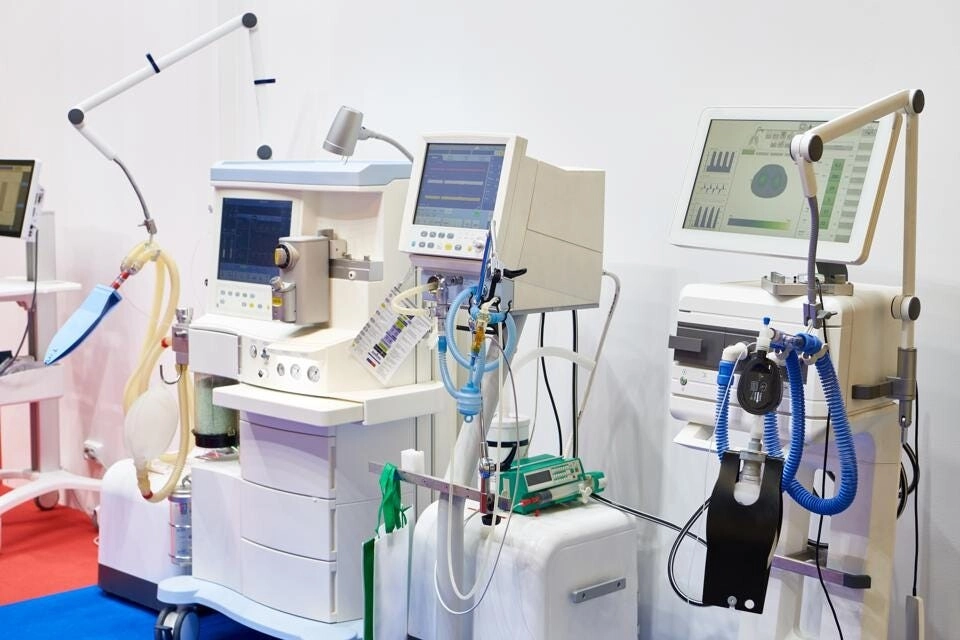
Thin-Film Transistor (TFT) LCD tech holds its spot as the top pick for health and check tools. This comes from a few main gains:
- Steady picture quality over different heats and light levels
- Long life help, which fits long health check steps
- Normal mechanical sizes and wide controller fit
- Back for links like RGB, LVDS, MIPI-DSI, and eDP
- Easy add with capacitive or resistive touch answers
TFT LCDs give a good mix of clear sight and low price. This fits best in jobs that focus on still or half-still data show over fast video. Such jobs include vital sign watch or small check tools.
Understanding Display Needs Across Different Medical Applications
Medical gear changes a lot in build and aim. This leads to clear display needs. Hand-held tools need small size. Fixed watchers stress strength and sight.
The next part lists common jobs and matching display specs:
1. Digital Blood Pressure Meters
Small, battery-run tools often used in home or clinic spots.
- Display size: 2.8″–4.3″
- Panel type: TN or IPS (based on viewing angle needs)
- Brightness: 300–500 nits
- Touch: Optional or basic resistive
- Priorities: Low power consumption, cost optimization, clear readability in typical indoor lighting
2. Automatic BP Monitors
Used in clinic spots or linked home health systems.
- Display size: 4.3″–7.0″
- Panel type: IPS for improved viewing angles
- Touch: Capacitive for enhanced user interaction
- Interface: RGB or MIPI
- Priorities: Intuitive interface design, moderate viewing angles, compatibility with gloved operation
3. Patient Monitors
Steady watch of parts like ECG, SpO2, respiration, and temperature.
- Display size: 7.0″–15.6″
- Panel type: IPS with high brightness (≥800 nits)
- Touch: Optional for menu navigation
- Compliance: Adherence to EMC standards (IEC 60601-1-2)
- Priorities: 24/7 operational reliability, high clarity, wide viewing angles
4. Physiological Monitors
Used in heavy care units, work rooms, and surgery plans.
- Display size: ≥10.1″
- Resolution: 1024×768 or higher
- Interface: LVDS or eDP
- Surface treatment: Optical bonding or anti-reflective coatings
- Priorities: Superior resolution, reduced glare, extended backlight lifespan
Key Display Selection Criteria for Medical Designers
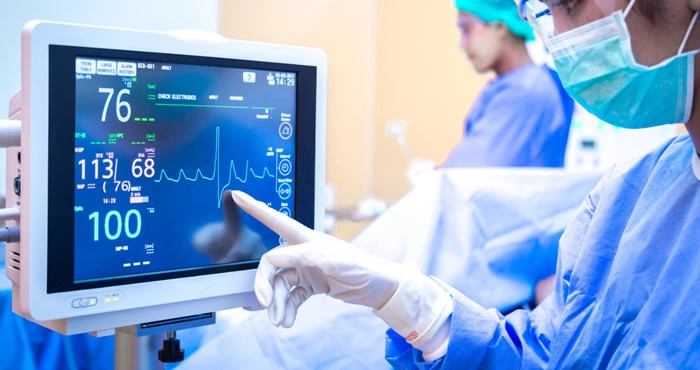
Builders checking TFT LCDs for health add should eye these main parts:
- Brightness: ≥500 nits for ambient-lit environments; ≥800 nits for operating rooms or mobile carts
- Viewing Angle: IPS panels preferred (≥80°/80°/80°/80°)
- Touch Panel: Projected capacitive (PCAP) for modern interfaces or resistive for specific use cases
- EMC/EMI Compliance: Essential for patient-connected systems
- Temperature Range: -20°C to +70°C or extended ranges for diverse deployment conditions
- Interface Compatibility: Matched to system board design (RGB, LVDS, MIPI, eDP)
- Backlight Life: ≥30,000 hours for mission-critical applications
Matching specs exact to job needs stops unneeded cost rise from too-high specs.
Reducing TFT LCD Costs Without Sacrificing Functionality
Health gear markets need good prices. This holds true for big-run items like automatic BP monitors and home trackers. A few ways let cost cut while keeping quality:
1. Adopt Industrial-Grade TFT Displays
Many health jobs do not need top user-grade panels. Factory-grade TFTs give needed light, steady work, and touch work at 30–50% lower cost than named options. This makes them fit for number shows, basic UI parts, and data pics.
2. Implement Semi-Custom Solutions
Full custom build brings high tool costs. Semi-custom picks—like FPC layout changes, backlight fix, touch type shifts, or surface coats—give fit work with small spend.
3. Emphasize Supply Continuity
Suppliers with 3–5 years of steady get and back fit cut make stops. This matters in ruled health item lives.
Case-in-Point: Display Optimization in a Patient Monitoring Device
A medium OEM building a 10.1″ patient monitor got big saves. They switched from a top named part to a good factory IPS display (800×1280 resolution, 800 nits brightness, PCAP touch, LVDS interface). Gains included:
- 35% reduction in per-unit display cost
- Successful EMC compliance without supplementary shielding
- Equivalent UI performance and responsiveness
This case shows how factory-grade displays back health-level needs. They also speed build and cut costs.
Looking Ahead: Display Trends in Medical Device Development
Medical gear puts more weight on easy carry, links, and user-first build. This shapes display change:
- Glove-fit PCAP touch screens replace old resistive picks
- Higher light levels and optical bonding see more use in move and surgery spots
- MIPI and eDP links spread in new builds
- Power ease grows key for battery-run and home health gear
Plan for these changes lets factories make gear plans that last.
Conclusion
Picking TFT displays for medical gear needs close match of clear sight, rule follow, strength, and cost. Smart picks in jobs like digital blood pressure meters, automatic BP monitors, and patient monitoring systems bring gains in work, ease, and market edge.
Frequently Asked Questions (FAQ)
What makes TFT LCDs suitable for medical equipment?
TFT LCDs offer reliable image quality, long-term availability, wide interface support, and integration flexibility, making them ideal for medical applications requiring consistent performance.
Which panel type is recommended for most medical displays?
IPS panels are generally preferred due to superior viewing angles (up to 178°), accurate color reproduction, and better performance in multi-user clinical environments.
How can manufacturers reduce display costs in medical devices?
Utilizing industrial-grade TFTs, opting for semi-custom modifications, and partnering with suppliers offering long-term supply stability help achieve cost savings without compromising essential functionality.
What brightness level is needed for operating room displays?
High-brightness panels of ≥800 nits (often 1000+ nits) ensure visibility under bright surgical lighting conditions.
Are custom TFT displays feasible for medical projects?
Semi-custom options, including interface adjustments and touch enhancements, provide tailored solutions with lower development costs than full custom designs.
Partner with a Reliable TFT Display Manufacturer for Medical Projects
Medical device manufacturers, OEMs, and suppliers seeking cost-effective, high-reliability TFT LCD solutions for medical equipment benefit from collaborating with an established factory. Kadi Display, a professional industrial TFT LCD display manufacturer and supplier based in Shenzhen with over 20 years of experience, specializes in TFT LCD modules and custom display solutions tailored for medical applications. Holding certifications including ISO9001, ISO14001, ISO13485, and IATF16949, Kadi Display operates a production facility exceeding 10,000㎡ and offers flexible OEM/ODM services, high-brightness options, wide-temperature performance, touch integration, and interfaces such as MIPI, LVDS, and RGB. With no minimum order quantity for customization and partnerships with major panel suppliers, Kadi Display ensures stable supply and engineering support for industrial and medical projects.
Contact Kadi Display today at Sales@sz-kadi.com or +86-13662585086 to discuss specifications, request samples, or explore bulk sourcing options. Elevate medical device performance with trusted display solutions from a dedicated manufacturer and factory.
Leave A Comment

Latest Blog & News
- Applications of Industrial LCD Displays in Medical Devices
- Sourcing Cost-Effective TFT Displays for Medical Equipment
- How to Choose High Brightness LCD Displays for Outdoor Applications
- How to Choose the Best Industrial TFT LCD for Your Embedded Device
- IPS vs Other Panels How to Select Display Interfaces for Embedded and Industrial TFT LCD