
Startseite
-
Blog & Neuigkeiten
-
Erkundung von TFT-LCD-Modulen im Balkenformat: Ein umfassender Leitfaden
Erkundung von TFT-LCD-Modulen im Balkenformat: Ein umfassender Leitfaden
2026-04-10
00:00
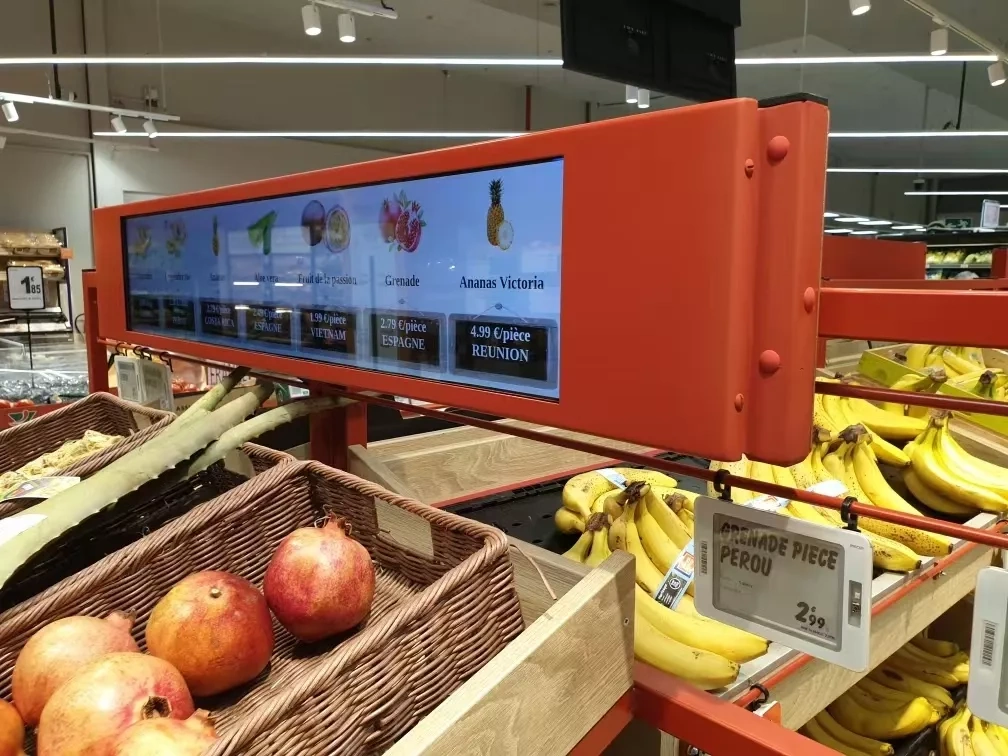
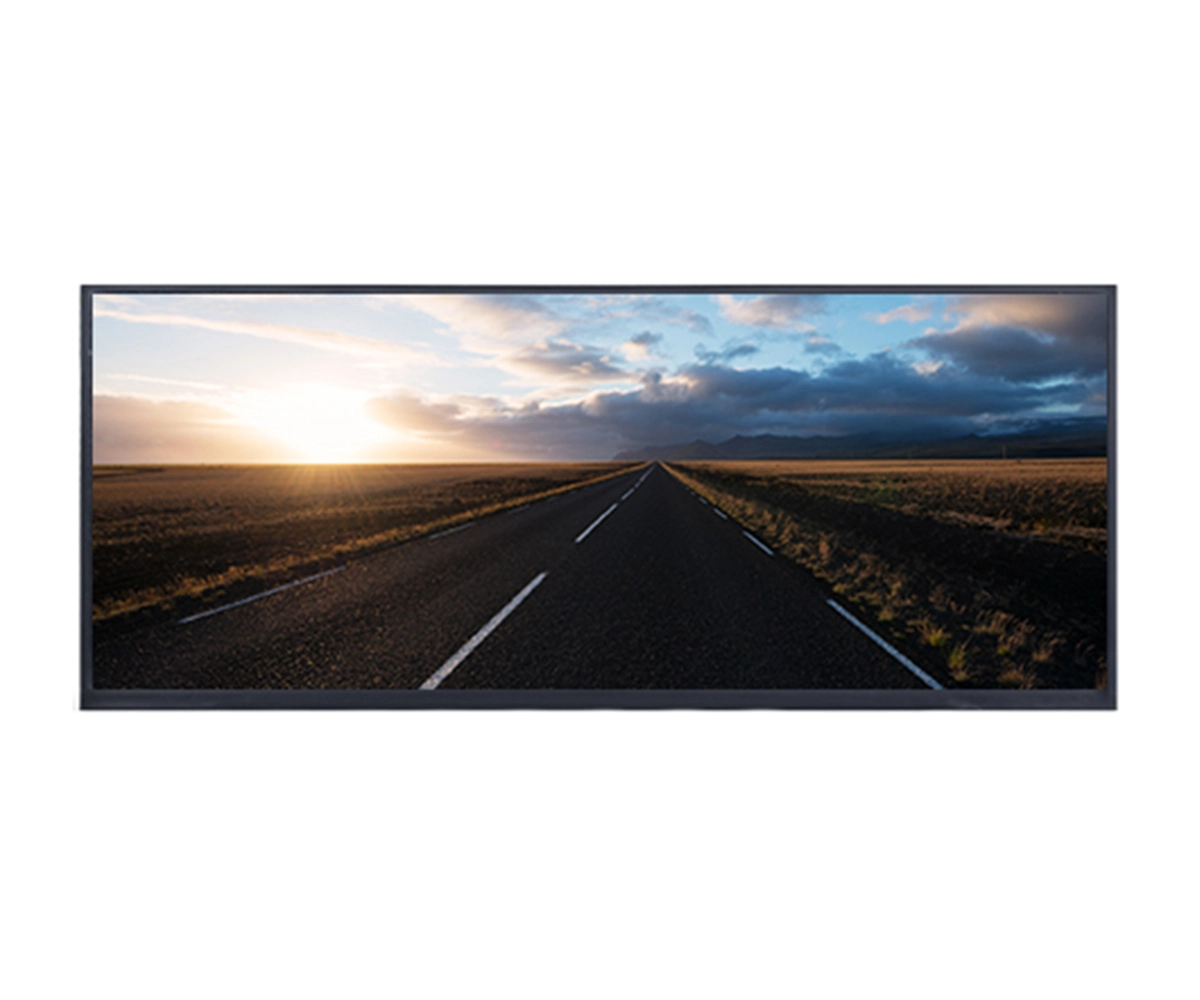
Balkenförmige TFT-LCD-ModuleBreitbild-Displays, auch bekannt als gestreckte oder ultrabreite Displays, bilden einen Sonderbereich im Bereich der Flüssigkristallanzeigen. Diese Module weisen ungewöhnliche Seitenverhältnisse auf, beispielsweise 8:1, 16:1 oder sogar noch längere Formate. Dadurch unterscheiden sie sich von herkömmlichen quadratischen Bildschirmen. Hersteller fertigen balkenförmige TFT-LCDs, um Daten schmal, horizontal oder vertikal darzustellen. Daher eignen sie sich besonders für beengte Platzverhältnisse oder Anwendungen mit geradliniger Betrachtung.
Der Bedarf an balkenförmigen TFT-LCD-Modulen steigt stetig in der Fabrik-, Automobil-, Gesundheits- und Geschäftswelt. Ihre spezielle Form ermöglicht den Einsatz in Geräten, in denen herkömmliche Bildschirme nicht optimal funktionieren. Zudem bieten sie eine bessere Darstellung von bewegten Wörtern, Verkehrsschildern oder breiten Datenansichten.
Was sind Balken-TFT-LCD-Module?
Balkenförmige TFT-LCD-Module Mithilfe der Dünnschichttransistor-Technologie (TFT) werden einzelne Pixel präzise angesteuert. Im Gegensatz zu herkömmlichen TFT-LCDs mit Seitenverhältnissen von etwa 4:3 oder 16:9 sind Balken-LCDs in einer Richtung sehr groß, in der anderen jedoch kompakt. Übliche Größen reichen von wenigen Zentimetern Höhe bis zu über 50–75 cm Länge bei Sonderanfertigungen.
Diese Module verfügen oft über eine aktive Matrixsteuerung. Dies ermöglicht schnelle Reaktionszeiten, weite Betrachtungswinkel und brillante Farbwiedergabe. Als Basis dienen IPS- oder TN-Panels. Die Wahl hängt von den Anforderungen an die Bildqualität und dem Preis ab. Helle Varianten erreichen oft über 1000 Nits und eignen sich für den Einsatz im Freien oder bei starker Beleuchtung.
Kadi Display, ein erfahrener Hersteller von industriellen TFT-LCDs, fertigt neben herkömmlichen TFT-LCDs und TFT-Touchdisplays auch Barren-Displays. Das Unternehmen unterstützt zahlreiche Schnittstellen wie LVDS, MIPI und eDP für eine einfache Integration.
Hauptmerkmale und technische Spezifikationen von TFT-LCD-Modulen im Balkenformat
Balkenförmige TFT-LCD-Module weisen einige klare Merkmale auf:
-
Ungewöhnliche Seitenverhältnisse: Verhältnisse wie 8:1 oder 16:1 ermöglichen große Sichtfelder. Diese eignen sich gut für Schienen, Werkzeugtafeln oder Werbelinien.
-
Hohe Auflösung und Pixeldichte: Selbst bei langen Formaten bleibt die Schärfe erhalten. Die Gehäuse sind in verschiedenen Auflösungen erhältlich, darunter 1280 x 320 oder angepasste Auflösungen für festgelegte Längen.
-
Schnittstellenoptionen: Die Unterstützung für LVDS, MIPI DSI, RGB und HDMI ermöglicht die Kompatibilität mit integrierten Systemen, Einplatinencomputern und werkseitigen Steuerungen.
-
Helligkeitsstufen: Modulen in Werksqualität erreichen 500–1500 Nits oder mehr. Oft wird zusätzlich eine optische Verklebung für eine bessere Ablesbarkeit bei Sonnenlicht eingesetzt.
-
Breiter Temperaturbereich: Betriebstemperaturen von -30°C bis +85°C sorgen für Zuverlässigkeit auch unter schwierigen Bedingungen, wie z. B. in Autos oder offenen Kiosken.
-
Touch-Integration: Viele balkenförmige Module sind mit kapazitiven Touchpanels (CTP) ausgestattet. Sie verfügen über Multi-Touch- und Anti-Fingerprint-Abdeckungen für die haptische Bedienung.
Zusätzliche Verbesserungen umfassen Entspiegelung (AG), Antireflexion (AR) und Anti-Fingerprint-Beschichtung (AF). Zusammengefasst werden sie als 3A-Folien bezeichnet. Diese erhöhen die Widerstandsfähigkeit und das Tragegefühl.
Bei IPS-Displays erreichen die Betrachtungswinkel oft 85°/85°/85°/85°. Dadurch werden Farbveränderungen bei seitlicher Betrachtung minimiert. Energiesparen steht weiterhin im Vordergrund. Es werden energiesparende LED-Hintergrundbeleuchtungen verwendet.
Vorteile von TFT-LCD-Modulen im Balkenformat gegenüber Standarddisplays
Balkenförmige TFT-LCD-Module bieten deutliche Vorteile gegenüber herkömmlichen quadratischen oder rechteckigen Bildschirmen:
-
Platzsparend: Dank ihrer schlanken Form passen sie in schmale Rahmen oder gebogene Tischplatten. Dabei benötigen sie nicht viel Platz in der Höhe oder an den Seiten.
-
Erweiterte Informationsanzeige: Lange Seiten eignen sich hervorragend zur Anzeige von Zeitachsen, Aktienkursen, Flugdaten oder Schrittzählerdaten auf einen Blick.
-
Designflexibilität: Durch die präzise gefertigten Abmessungen und die hohe Schärfe können die Hersteller die exakten Maschinengrenzen der Endprodukte einhalten.
-
Verbesserte Lesbarkeit in linearen Anwendungen: Lange Bildschirme reduzieren den Bedarf an vielen kleinen Bildschirmen. Dies senkt den Einrichtungsaufwand und die Kosten.
-
Robustheit für den industriellen Einsatz: Dank ihrer Fähigkeit, große Wärmemengen abzudecken und mit starkem Licht zu arbeiten, eignen sie sich für Bereiche, in denen normale Heimbildschirme zerbrechen würden.
Im Gegensatz dazu erfüllen herkömmliche TFT-LCD-Module (z. B. 7- bis 18,5-Zoll-Typen mit einer Auflösung von 1920 x 1080 Pixeln und einer Helligkeit von 300–1100 cd/m²) die grundlegenden Anforderungen. Ihnen fehlt jedoch die spezielle Bauform für längliche Setups.
Gängige Anwendungen von TFT-LCD-Balkenmodulen
Balkenförmige TFT-LCD-Module finden in vielen Bereichen Anwendung:
-
Industrielle Steuerung und Automatisierung: Schalttafeln, HMI-Panels (Human-Machine Interface) und Linienüberwachungsbildschirme zeigen Zustandsbalken oder Zahlentrends an.
-
Automobil- und Transportwesen: Werkzeuggruppen, Unterhaltungsbars auf der Rückbank oder öffentliche Verkehrsinformationsbildschirme.
-
Medizinische Geräte: Patientenüberwachungssysteme, Schallwellenverbindungen oder Laborprüfgeräte, die direkte Datenvisualisierungen benötigen.
-
Einzelhandel und Werbung: Nummerierte Schilderzeilen in Regalen, Aufzügen oder Schaufenstern für Verkaufsinformationen.
-
Eingebettete Systeme: Kombination mit Raspberry Pi oder anderen SBCs zur Herstellung von Kiosksystemen und IoT-Geräten.
-
Ausrüstung für Marine und Outdoor: Starklicht-Ausrüstung, die der Sonne und Erschütterungen in Führungs- oder Überwachungssystemen standhält.
Berührungsempfindliche, stangenartige Module erleichtern die manuelle Bedienung an Selbstbedienungs-Endgeräten und Bedienfeldern.
Designüberlegungen bei der Auswahl von TFT-LCD-Modulen im Balkenformat
Bauherren und Einkaufsteams müssen einige Dinge überprüfen:
-
Mechanische Abmessungen und Montage: Die richtige Länge, Höhe und der passende Rahmenplan für die Gehäuse.
-
Schnittstellenkompatibilität: Passend zum Ausgang der Hauptsteuerung (z. B. LVDS für längere Kabelstrecken).
-
Optische Leistung: Lichtstärke, Kontrastverhältnis und Farbraum sind optimal auf den Lichtfleck abgestimmt.
-
Umweltbeständigkeit: IP-Schutzart, Erschütterungsbeständigkeit und Wärmebeständigkeit.
-
Energie- und Wärmemanagement: Sicherstellen, dass die Hintergrundbeleuchtung und die Laufwerkspfade mit den Systemstromplänen übereinstimmen.
-
Anpassungswünsche: Anfrage an den Lieferanten nach vorgegebener Schärfe, Berührungsebenen oder Verbindungsarten.
Eine frühzeitige Zusammenarbeit des Teams mit einem Displayhersteller trägt dazu bei, diese Teile optimal zu gestalten. Dadurch werden auch Passformprobleme vermieden.
Fertigungsprozess und Qualitätssicherung für balkenförmige TFT-LCD-Module
Die Herstellung von balkenförmigen TFT-LCD-Modulen erfordert hohe Fertigungskompetenz. Der Prozess beginnt mit der Fertigung der TFT-Basis auf Glasplatten. Anschließend folgen die Montage der Farbfilter, die Befüllung mit Flüssigkristallen und die Verbindung des Moduls mit Hintergrundbeleuchtung und Treiber-ICs.
Spezielle Schnitt- und Dichtungstechniken ermöglichen die Anpassung an Sondergrößen. Strenge Prüfungen umfassen Lichtprüfung, Leistungsprüfung, Alterungstests und Außenraumprüfungen, um reale Zustände vor Ort nachzubilden.
Normen wie ISO 9001, ISO 14001, ISO 13485 und IATF 16949 legen Wert auf Qualität. Dies ist besonders wichtig für Anwendungen im Automobil- und Gesundheitswesen. Ein Hersteller mit über 20 Jahren Erfahrung und großen Produktionskapazitäten verfügt über einen stetigen Lagerbestand und kann auch große oder Sonderanfertigungen problemlos abwickeln.
Kadi Display betreibt ein Werk mit einer Fläche von über 10.000 m² in Shenzhen. Dort werden Fertigungslinien mit nahezu Lagerbestandskapazität für die schnelle Modellherstellung und den Bau von TFT-LCD-Displays für die Fabrik, einschließlich Balkendisplays, genutzt.
Zukunftstrends in der Balken-TFT-LCD-Technologie
Neue Schritte sorgen für eine engere Pixelauflösung und schärfere Bilder, kombiniert mit Mini-LED-Hintergrundbeleuchtung für besseren Kontrast und einer angenehmen Haptik auf der Rückseite. Energiesparende Designs und flexible Displays erweitern die Einsatzmöglichkeiten.
Das Wachstum von Industrie 4.0 und Smart Cities erhöht den Bedarf an robusten, datenreichen Bildschirmen. Verbesserungen im Bereich der Leistenanzeigen werden voraussichtlich KI-gestützte Informationsänderungen und optimierte Verknüpfungsregeln ermöglichen.
Auswahl des richtigen Lieferanten für balkenförmige TFT-LCD-Module
Die Wahl eines zuverlässigen Partners ist entscheidend. Wichtige Kriterien sind technisches Know-how in der Fertigung, lange Produktlebensdauer, schnelle Reaktionszeiten bei Tests und umfassender Kundendienst. Ein Lieferant, der sowohl Standard-TFT-LCDs als auch spezielle Balkendisplays anbietet, bietet Flexibilität für gemischte Projekte.
FAQ (häufig gestellte Fragen)
Welches ist das typische Seitenverhältnis für balkenförmige TFT-LCD-Module?
Balkenförmige Module weisen üblicherweise Seitenverhältnisse wie 8:1, 16:1 oder benutzerdefinierte längliche Proportionen auf, die sich deutlich von Standard-16:9-Displays unterscheiden.
Können balkenförmige TFT-LCD-Module Touch-Funktionen unterstützen?
Ja, viele integrieren kapazitive Touchpanels (CTP) mit Optionen für optisches Bonding, Multi-Touch-Unterstützung und Schutzbeschichtungen.
Welche Betriebstemperaturbereiche sind für industrielle Balkendisplays verfügbar?
Industriemodule unterstützen typischerweise einen Betriebstemperaturbereich von -30°C bis +85°C, wobei der Lagertemperaturbereich bis zu -40°C bis +90°C reicht.
Sind balkenförmige TFT-LCD-Module für den Außeneinsatz geeignet?
Hochleistungsversionen (1000 Nits und mehr) mit Antireflexionsbeschichtung eignen sich gut für den Einsatz im Freien oder bei hellem Umgebungslicht.
Worin unterscheiden sich Balkendisplays von Standard-TFT-LCD-Modulen?
Balkenförmige Displays priorisieren extreme Seitenverhältnisse für lineare Anwendungen, während Standard-TFT-LCDs konventionellere Formen und Größen für den allgemeinen Gebrauch bieten.
Welche Schnittstellen werden üblicherweise von balkenförmigen TFT-LCD-Modulen unterstützt?
Gängige Schnittstellen sind LVDS, MIPI, eDP und RGB, wodurch die Kompatibilität mit verschiedenen eingebetteten Controllern und Treiberplatinen gewährleistet wird.
Arbeiten Sie mit einem vertrauenswürdigen Hersteller und Lieferanten von TFT-LCD-Bildschirmen im Balkenformat zusammen.
Unternehmen, die zuverlässige TFT-LCD-Module im Balkenformat oder vollständig kundenspezifische Displaylösungen suchen, sollten sich direkt an einen etablierten Hersteller und Lieferanten von Industriedisplays wenden. Kadi AnzeigeAls professioneller Hersteller in Shenzhen mit über 20 Jahren Erfahrung ist das Unternehmen auf hochwertige TFT-LCD-Displaymodule spezialisiert. Das Portfolio umfasst spezielle Balkendisplays, Standard-TFT-LCD-Produkte und TFT-Touch-Integrationen. OEM- und ODM-Services werden angeboten, und maßgeschneiderte Lösungen mit Zertifizierungen sowie einer langfristigen Liefergarantie für industrielle, medizinische und Embedded-Anwendungen werden realisiert.
Hersteller und Systemintegratoren können sich auf den Produktseiten über das gesamte Display-Sortiment informieren und das Team für technische Beratungen, Muster oder Anfragen zur Serienproduktion kontaktieren. Erreichen per E-Mail an Sales@sz-kadi.com Oder rufen Sie uns unter +86 13662585086 an, um Ihre Projektanforderungen zu besprechen und zu erfahren, wie kundenspezifische TFT-LCD-Module im Balkenformat Ihr Produktdesign aufwerten können. Der Aufbau einer langfristigen Partnerschaft mit einem kompetenten Lieferanten sichert Ihnen gleichbleibende Qualität und Innovationsunterstützung über alle Entwicklungszyklen hinweg.
Vorherige
Industrielle Anzeigetafel: Merkmale, Anwendungen und integrierte HMI-Lösungen
Nächster
Entwicklung von Touchscreens für medizinische Geräte: Strategien zur Vermeidung von Ausfällen und zur Steigerung der Zuverlässigkeit
Hinterlasse einen Kommentar

Neueste Blog & Nachrichten
- Industrial LCD EOL: What Happens from Pre-Announcement to Replacement Mass Production?
- Electronic Component Obsolescence Management for Industrial Displays: An OEM Guide
- How to Develop a Production Ready Custom Display Assembly TFT Module Touch Cover Glass FPC Bonding and Mounting
- 15 Pin vs 22 Pin Raspberry Pi DSI Connectors Cable Pinout and Compatibility
- Native MIPI DSI vs LVDS or HDMI Bridge: An OEM Display Architecture Decision Guide