
IPS-Display für industrielle Anwendungen: 5 wichtige Überlegungen
2026-04-16
00:00
IPS-Display für industrielle Anwendungen: 5 wichtige Überlegungen
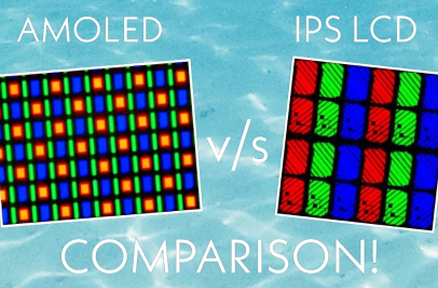
Die Werkseinstellungen stellen hohe Anforderungen an die Bildschirmtechnologie. Die Geräte müssen auch unter widrigen Bedingungen wie Schmutz, Erschütterungen, extremen Temperaturen, starkem Raumlicht und im Dauerbetrieb zuverlässig funktionieren. IPS-Panels (In-Plane Switching) Sie bieten eine gute Farbwiedergabe, weite Betrachtungswinkel und eine gleichbleibende Bildqualität. Dadurch eignen sie sich hervorragend für Anlagenautomatisierung, HMI-Systeme, offene Kioske, medizinische Geräte, die Anbindung großer Maschinen und integrierte Steuerungssysteme.
IPS-Bildschirme für den Heimgebrauch sind für Büros oder Wohnräume konzipiert. Werkseitig optimierte IPS-Bildschirme bieten jedoch zusätzliche Vorteile für eine längere Lebensdauer und den Einsatz auch unter rauen Umgebungsbedingungen. Die Auswahl des richtigen Bildschirms erfordert eine schrittweise Prüfung anhand der jeweiligen Anforderungen.
Helligkeit: Gewährleistung der Lesbarkeit bei Sonnenlicht im Freien und in Umgebungen mit starker Blendung
Die Bedeutung hoher Helligkeitswerte für die industrielle Sichtbarkeit
Die Helligkeit, gemessen in Nits (cd/m²), wird bei hellem Raumlicht gemessen. Heim-IPS-Panels erreichen üblicherweise 250–350 Nits. Daher sind sie bei direkter Sonneneinstrahlung oder in gut beleuchteten Geschäften mit über 10.000 Nits nahezu unbrauchbar. Werkseitige IPS-Bildschirme Streben Sie mindestens 700 Nits an. Hochwertige Modelle erreichen sogar 1000–1500 Nits für eine optimale Sonneneinstrahlung.
Hochleistungs-Beleuchtungssysteme verwenden bessere LED-Hintergrundbeleuchtungen. Diese sind mit effizienten Wärmeableitungssystemen kombiniert. Dazu gehören Aluminium-Kühlkörper und hochdurchflussfähige Wärmeleitpaste. Dadurch wird ein Nachlassen der Lichtleistung selbst bei hohen Raumtemperaturen verhindert.
Erweiterte Funktionen zur Verbesserung der Helligkeitsleistung
Viele Werksanlagen sind mit automatischen Innenraumlichtsensoren ausgestattet. Diese reagieren in weniger als 0,5 Sekunden und passen die Hintergrundbeleuchtung bedarfsgerecht an. Entspiegelte Oberflächen (AR-Beschichtungen) reflektieren bis zu 85 % des einfallenden Lichts. Dadurch wird die Blendwirkung deutlich reduziert. Optische Verklebungen minimieren zudem interne Reflexionen zwischen den Bauteilen.
Für Arbeiten an Landmaschinen, Fahrbrettern oder Piers sorgen Lampen mit einer Helligkeit von über 1.100 cd/m² für klare Sicht. Langfristig zuverlässiges Licht wird durch LEDs mit einer Lebensdauer von 50.000 Stunden gewährleistet. Sie behalten mindestens 70 % ihrer ursprünglichen Leuchtkraft.
Kadi Display bietet TFT-LCD-Module mit Helligkeitswerten von bis zu 1.500 Nits in einigen Touchscreen-fähigen Ausführungen an. Diese eignen sich für offene und werkseitig eingebaute Steuerungsgehäuse.
Kontrast: Scharfe Text- und Bildklarheit bei wechselnden Lichtverhältnissen
Erzielung hoher Kontrastverhältnisse für bessere Lesbarkeit
Der Kontrast misst den Unterschied zwischen hellem Weiß und tiefem Schwarz. Viele Panels geben 1.000:1 an. Werkseitig installierte Spots benötigen jedoch oft 1.500:1 oder mehr. Dadurch bleiben gute Kontrastverhältnisse (4,5:1 bis 6:1) auch bei Verschmutzungen, Ölfilmen oder wechselnden Lichtverhältnissen um 500 Lux erhalten.
Full-Array Local Dimming (FALD) nutzt mehrere Zonen. Dadurch werden Lichtlecks reduziert und gleichmäßige Schwarzwerte erzielt. Die 10-Bit-Farbtiefe ermöglicht sanfte Graustufenübergänge. Dies minimiert Linien in Detailplänen oder Scheckbildern.
Oberflächenbehandlungen zur Erhaltung des Langzeitkontrasts
Anti-Fingerprint-Beschichtungen (AF) mit einer hauchdünnen Schicht sorgen für anhaltenden Kontrast, selbst nach häufigem Kontakt mit Schmutz. UV-beständige Streuscheiben und Clean-Glow-Elemente verhindern einen Kontrastverlust von unter 5 % über 50.000 Stunden. Zudem wird die bei minderwertigen Panels auftretende Vergilbung vermieden.
Diese Verbesserungen ermöglichen es den Mitarbeitern, kleine 0,4 mm große Buchstaben aus 50 cm Entfernung auch bei längeren Arbeitszeiten augenschonend zu lesen. Dies ist insbesondere für HMI-Systeme in Fertigungshallen wichtig.
Temperaturbereich: Zuverlässiger Betrieb von -20 °C bis 60 °C und darüber hinaus
Herausforderungen extremer Temperaturen für die Displayleistung
Herkömmliche IPS-Panels weisen unter 0 °C langsame Reaktionszeiten auf. Zudem verformen sie sich oberhalb von 40 °C. Werkseitige Nachrüstungen erweitern den Betriebstemperaturbereich auf -20 °C bis 60 °C. Hochwertige Panels sind für Temperaturen von -30 °C bis 85 °C geeignet.
Bei Kälte sorgen integrierte Wärmeleitfolien (oft 5–10 W) für optimale Flüssigkristallanzeige. Dadurch werden Startzeiten unter 15 Sekunden erreicht. Die Reaktionszeiten liegen bei etwa 5 ms. Die Wärmeableitung erfolgt über Aluminiumrahmen mit angepasster Wärmeentwicklung. Robuste Polymerkondensatoren gewährleisten eine lange Lebensdauer auch bei hohen Temperaturen.
Zusätzlicher Schutz vor Umweltbelastungen
Wasserabweisende Abdeckungen verhindern Wasseransammlungen bei schnell wechselnden, feuchten Arbeitszyklen in Fabriken. Diese Abdeckungen werden strengen Hitzetests (über 500 Umdrehungen) unterzogen. Sie gewährleisten einen störungsfreien Betrieb. Die Lagertemperaturen reichen von -40 °C bis 90 °C und sind weltweit einsetzbar.
Kadi Display bietet zahlreiche TFT-LCD-Displays mit einem Betriebstemperaturbereich von -30 °C bis 85 °C und einem Lagertemperaturbereich von -40 °C bis 90 °C an. Beispiele hierfür sind das 12,8-Zoll-Display KD128HWU02EP (Automobilqualität, 1100 cd/m²) und einige 12,1-Zoll-Displays mit hoher Lichtstärke.
Langlebigkeit: Beständigkeit gegen physische Belastungen, Kratzer und Umwelteinflüsse
Verstärkte Werkstoffe für Stoß- und Kratzfestigkeit
Werkseitig beschädigte Bildschirme sind anfällig für Erschütterungen, Stöße, Schmutz und Chemikalien. Zur Reparatur wird robustes Deckglas verwendet (oft 0,5–0,8 mm dick mit verklebten Schichten). Kratzfeste Schutzfolien werden hunderte Stunden lang getestet. Stabile Aluminiumrahmen bieten zusätzlichen Schutz.
Optische Verklebung verhindert Lufteinschlüsse. Sie verbessert die Treffererkennung und reduziert das seitliche Absehen bei Tastarbeiten. Entspiegelung und Anti-Fingerprint-Beschichtungen gewährleisten die Stabilität der Linse auch bei längerem Gebrauch mit Handschuhen, Werkzeugen oder Schmutz.
Prüfstandards und Langzeitzuverlässigkeit
Die Paneele werden Taber-Abriebtests und Fallprüfungen unterzogen, um ihre Festigkeit zu gewährleisten. Starke Lichtfilter und IP-geschützte Dichtungen schützen vor Nässe und Staub. Diese Eigenschaften erhöhen die mittlere Betriebsdauer zwischen Ausfällen (MTBF) im Vergleich zu herkömmlichen Paneelen. Sie gewährleisten einen zuverlässigen Betrieb in Pflanzen- oder Feldgeräten.
Touch-Displays verwenden häufig zusätzliche 3A-Schutzfolien (AG + AR + AF) für eine hohe Oberflächenstabilität in HMI-Systemen mit hoher Touch-Funktionalität. Die Touch-fähigen Module von Kadi Display kombinieren diese Schutzfolien mit kapazitiven Touch-Elementen für eine präzise Eingabe.
Betrachtungswinkel: Beibehaltung der Farb- und Helligkeitskonsistenz bei 178 Grad
Kernvorteile der IPS-Technologie in Mehrbenutzerszenarien
Die IPS-Technologie ermöglicht einen Betrachtungswinkel von nahezu 178° zur Seite und nach oben/unten. Werkseitig eingestellt, bleiben über 85 % der Helligkeit erhalten, und die Farbabweichung (ΔE < 2–3) ist auch bei großen Betrachtungswinkeln gering. Dies ist TN-Panels, deren Helligkeit schnell abfällt, deutlich überlegen.
Diese gleichmäßige Darstellung ist vorteilhaft für große Kontrollräume, Schalttafeln oder Teamarbeitsplätze. Dort können die Mitarbeiter die Bildschirme von vielen verschiedenen Standorten aus sehen.
Verbesserungen zur Gewährleistung der Winkelstabilität
Optische Verklebung mit dünnem, UV-trocknendem Klebstoff, zweilagigen Lichtfiltern und Anti-Spreading-Abdeckungen gewährleisten zuverlässige Funktion. Dank des hohen Farbumfangs und der stabilen Gammakurven bieten diese Bauteile präzise Sicht für Kontrollarbeiten, Schrittzähler oder Gesundheits-Links.
Weitere Überlegungen zur Auswahl industrieller IPS-Displays
Schnittstellenkompatibilität und Energieeffizienz
Entwickler müssen unterstützte Schnittstellen wie LVDS, eDP, MIPI oder HDMI prüfen. Auch der Stromverbrauch ist wichtig. Ein geringer Stromverbrauch ist insbesondere für batteriebetriebene oder energiesparende Systeme relevant.
Touch-Integration und Anpassungsoptionen
Kapazitive, projizierte Multi-Touch-Rückseiten verbessern die Benutzerfreundlichkeit der neuen HMI. Optische Verbindungspunkte erhöhen die Berührungsgenauigkeit und -stärke.
Stabilität der Lieferkette und Zertifizierungen
Lange Produktlebensdauern (über 10 Jahre) erfordern eine kontinuierliche Ersatzteilversorgung und die ordnungsgemäße Entsorgung alter Teile. Normen wie ISO 9001, ISO 14001, ISO 13485 und IATF 16949 schreiben die Einhaltung strenger Qualitäts-, Umwelt- und Praxisrichtlinien vor.
Die Fertigung über OEM/ODM ermöglicht die exakte Anpassung von Größe, Schärfe, Lichtstärke, Wärmebereich und Schutzvorrichtungen. Die verfügbaren Größen reichen von kleinen 7-Zoll-Einheiten bis hin zu großen 15,6-Zoll- oder 27-Zoll-Panels mit einer Schärfe von bis zu 4K bei einigen Ausführungen.
Kadi Display bietet eine komplette Reihe von TFT-LCD- und Touchscreen-Modulen mit IPS-Technologie, starker Beleuchtung bis zu 1.500 Nits, breiter Wärmeableitung und vielen Schnittstellen, die für die Werkssteuerung, integrierte Systeme und Open-Source-Anwendungen geeignet sind.
FAQ (häufig gestellte Fragen)
Welche Helligkeitsstufe wird für industrielle IPS-Displays im Außenbereich empfohlen?
Für eine gute Sicht sind mindestens 700 Nits erforderlich, bei direkter Sonneneinstrahlung oder starker Blendung werden jedoch 1000–1500 Nits empfohlen.
Welchen Vorteil bietet ein breiter Betriebstemperaturbereich für Industrieanlagen?
Bereiche wie -30°C bis 85°C verhindern Verzögerungen bei Kälte und Materialermüdung bei Hitze und gewährleisten so eine zuverlässige Leistung bei saisonalen Schwankungen oder Übergängen zwischen Innen- und Außenbereich.
Warum ist ein hoher Kontrast in HMI-Anwendungen in der Fabrik wichtig?
Hohe Kontrastverhältnisse (1.500:1+) sorgen für scharfe Textlesbarkeit trotz Staub, Öl oder wechselnder Lichtverhältnisse und reduzieren so Bedienungsfehler und Ermüdung bei langen Schichten.
Können industrielle IPS-Displays vollständig an spezifische Projekte angepasst werden?
Ja. Führende Hersteller bieten OEM/ODM-Dienstleistungen an, um Größe, Auflösung, Helligkeit, Touch-Funktionalität, Schnittstellen und Schutzbeschichtungen an die jeweiligen Anforderungen anzupassen.
Auf welche Zertifizierungen sollten Käufer bei einem Lieferanten von Industriedisplays achten?
ISO9001, ISO14001, ISO13485 und IATF16949 belegen das Engagement für Qualitätsmanagement, Umweltverantwortung, medizinische Standards und Zuverlässigkeit auf Automobilniveau.
Schlussfolgerung
Für die Herstellung von Siebanlagen in Fabriken werden zuverlässige Partner benötigt, die über gleichbleibende Qualität, technisches Know-how, eine wachstumsstarke Produktion und eine langfristige Lagerstabilität verfügen.
Als professioneller Hersteller, Lieferant und Fabrikator von TFT-LCD-Displays mit über 20 Jahren Erfahrung, Kadi Anzeige Kadi Display betreibt eine Produktionsstätte mit über 10.000 m² in Shenzhen. Das Unternehmen ist nach ISO 9001, ISO 14001, ISO 13485 und IATF 16949 zertifiziert und spezialisiert auf hochhelle, temperaturunempfindliche industrielle TFT-LCD-Module und kapazitive Touchdisplays. Kadi Display bietet flexible OEM/ODM-Services für kundenspezifische Lösungen in den Bereichen Industriesteuerung, Embedded Systems, Medizintechnik und Outdoor-Anwendungen.
Unternehmen, die zuverlässige IPS-fähige TFT-LCD-Displays oder komplette Displaymodule suchen, werden gebeten, sich mit Kadi Display in Verbindung zu setzen. Erreichen per E-Mail an Sales@sz-kadi.com Oder rufen Sie uns unter +86 13662585086 an, um Projektspezifikationen zu besprechen, Muster anzufordern oder sich über Anpassungsmöglichkeiten zu informieren. Als etablierter Hersteller und Lieferant setzt Kadi Display auf langfristige B2B-Partnerschaften mit stabilen Lieferketten und reaktionsschnellem technischem Support für industrielle Displaylösungen.
Vorherige
Warum ein Touchscreen-LCD-Display die beste Lösung für Beatmungsgeräte ist
Nächster
Industrielle Anzeigetafel: Merkmale, Anwendungen und integrierte HMI-Lösungen
Hinterlasse einen Kommentar

Neueste Blog & Nachrichten
- Industrial LCD EOL: What Happens from Pre-Announcement to Replacement Mass Production?
- Electronic Component Obsolescence Management for Industrial Displays: An OEM Guide
- How to Develop a Production Ready Custom Display Assembly TFT Module Touch Cover Glass FPC Bonding and Mounting
- 15 Pin vs 22 Pin Raspberry Pi DSI Connectors Cable Pinout and Compatibility
- Native MIPI DSI vs LVDS or HDMI Bridge: An OEM Display Architecture Decision Guide