
Inicio
-
Blog & Noticias
-
¿Por qué una pantalla LCD táctil es la mejor opción para los ventiladores?
¿Por qué una pantalla LCD táctil es la mejor opción para los ventiladores?
2026-04-23
00:00
¿Qué es un respirador?
Los respiradores artificiales son máquinas vitales en los hospitales. Ayudan o incluso reemplazan por completo el proceso respiratorio de los pacientes que no pueden respirar bien por sí mismos. Estos dispositivos envían cantidades precisas de aire rico en oxígeno a los pulmones y, al mismo tiempo, eliminan el dióxido de carbono. Esta acción mantiene el intercambio gaseoso adecuado cuando una persona sufre insuficiencia respiratoria o respiración débil.
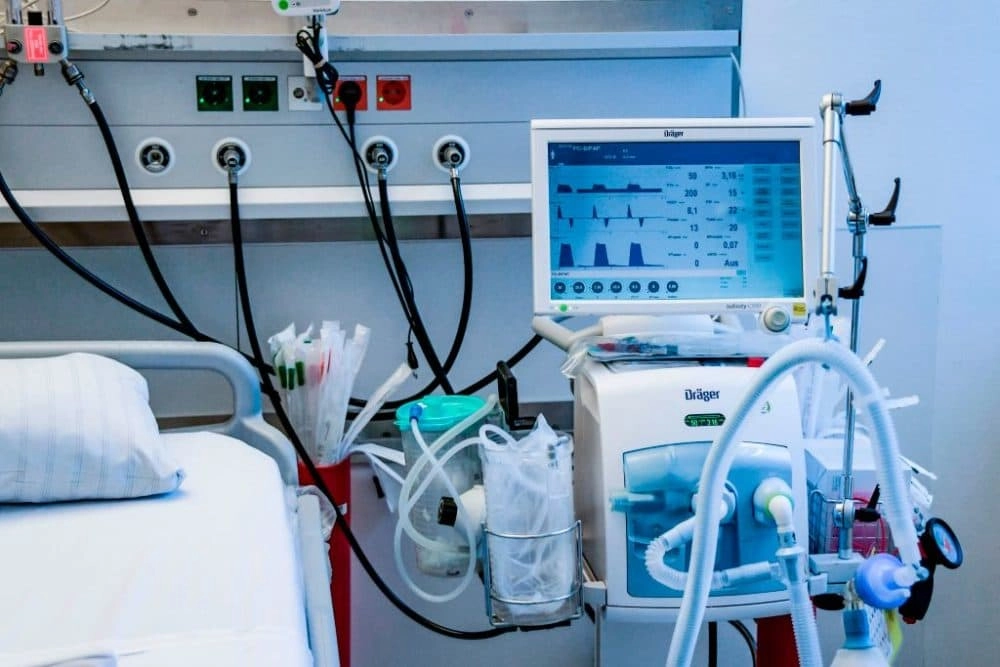
Los respiradores tratan muchos problemas de salud que afectan el funcionamiento normal de los pulmones. Estos incluyen:
-
Enfermedades respiratorias como la gripe, la neumonía e infecciones graves como la COVID-19.
-
Síndrome de dificultad respiratoria aguda (SDRA)
-
Enfermedad Pulmonar Obstructiva Crónica (EPOC)
-
Exacerbaciones del asma
-
Complicaciones del cáncer de pulmón
-
Dificultades respiratorias relacionadas con un accidente cerebrovascular
-
Lesiones cerebrales que afectan el control respiratorio
-
Daño muscular o nervioso que afecta la respiración
-
Sobredosis de drogas que provocan depresión respiratoria
Además de brindar asistencia a adultos en estado grave, los respiradores también ayudan a los pacientes en quirófanos durante la anestesia general. Ayudan a los bebés prematuros cuyos pulmones aún necesitan tiempo para desarrollarse. Estas máquinas funcionan en unidades de cuidados intensivos (UCI), servicios de urgencias, vehículos de transporte y, en ocasiones, en el domicilio del paciente. Proporcionan asistencia respiratoria parcial o total según las necesidades de cada paciente.
¿De qué se compone un respirador?
Un respirador médico reúne varias partes que funcionan como una sola unidad para brindar soporte respiratorio constante. Si bien los diseños varían entre los fabricantes, las partes comunes incluyen:
-
Pantalla LCD táctil para monitorizar las constantes vitales del paciente y ajustar los controles del ventilador.
-
Sistema de depósito o compresor de aire compresible
-
Tubos, válvulas y circuitos respiratorios (conjuntos de circuitos para pacientes, desechables o reutilizables).
-
Conexiones de suministro de aire y oxígeno
-
Sistemas de alarma para detectar anomalías en los niveles de presión, volumen o gas.
-
Sistemas de alimentación de respaldo, como baterías internas.
-
Válvulas de seguridad para evitar la sobrepresión.
-
Sistemas neumáticos o turbobombas electrónicas para un suministro preciso de gas.
La pantalla LCD táctil Funciona como la interfaz hombre-máquina (HMI) principal. Muestra formas de onda en tiempo real, valores numéricos, gráficos de tendencias, mensajes de alarma y menús de configuración. Esta interfaz reemplaza los grandes botones y diales mecánicos de los diseños más recientes. Reduce los puntos débiles y facilita el uso del dispositivo en entornos hospitalarios concurridos. Los módulos LCD TFT de alta fiabilidad con pantalla táctil capacitiva garantizan un buen funcionamiento de la pantalla durante el uso continuo, la limpieza frecuente y las condiciones adversas habituales en las áreas médicas.
Por qué una pantalla LCD TFT es la mejor opción
Los instrumentos médicos modernos dependen cada vez más de la tecnología LCD TFT (transistor de película delgada). Esto se debe a su gran capacidad para mostrar información importante de forma clara y rápida. Los registros de salud pública del pasado demuestran que mejores instrumentos médicos, como las pantallas de alta resolución, han contribuido a mejores resultados para los pacientes y a una mayor esperanza de vida.
Razones clave por las que Pantallas táctiles TFT LCD Entre las funciones que funcionan tan bien en los ventiladores respiratorios se incluyen:
-
Exactitud Las pantallas LCD TFT ofrecen imágenes nítidas y de alta resolución con una excelente precisión de color y contraste. Esta función permite a los equipos médicos observar pequeños cambios en las curvas de actividad del paciente, los bucles presión-volumen, las tendencias de saturación de oxígeno y otras mediciones clave. La información visual precisa ayuda a médicos y enfermeros a tomar decisiones rápidas e inteligentes para pacientes gravemente enfermos.
-
Facilidad de uso Las interfaces táctiles simplifican el manejo en comparación con los antiguos conjuntos de botones y diales físicos. Los médicos pueden consultar rápidamente las constantes vitales, modificar parámetros como el volumen corriente, la frecuencia respiratoria, la PEEP o la FiO2, y silenciar las alarmas con sencillos gestos. Las funciones de seguridad integradas, incluidos los modos de bloqueo, impiden cambios involuntarios en parámetros importantes durante momentos de alta demanda y estrés.
-
Diseño higiénico que ayuda a limitar la propagación de enfermedades Las áreas hospitalarias requieren normas muy estrictas para controlar las infecciones. Las interfaces antiguas con espacios alrededor de los botones pueden acumular gérmenes. Una pantalla táctil LCD TFT lisa y de montaje empotrado elimina estas zonas difíciles de limpiar. Permite una limpieza completa con productos de limpieza aprobados para hospitales. La superficie plana reduce la probabilidad de propagación de gérmenes y protege a los pacientes vulnerables de infecciones adicionales.
-
Capacidad multifuncional Una pantalla táctil TFT LCD integra múltiples funciones (monitorización, control, registro y gestión de alarmas) en un espacio reducido. Esta configuración disminuye el tamaño total del respirador, libera espacio cerca de la cama del paciente y proporciona toda la información necesaria de un vistazo.
-
Portabilidad Los módulos TFT utilizan una construcción de película delgada que mantiene la pantalla ligera y compacta. Esta estructura reduce el peso y el tamaño total del ventilador, facilitando su transporte dentro de las habitaciones, en el hospital o en ambulancias y vehículos de emergencia. Un equipo más ligero mejora la comodidad del paciente y permite que el personal trabaje con mayor eficiencia.

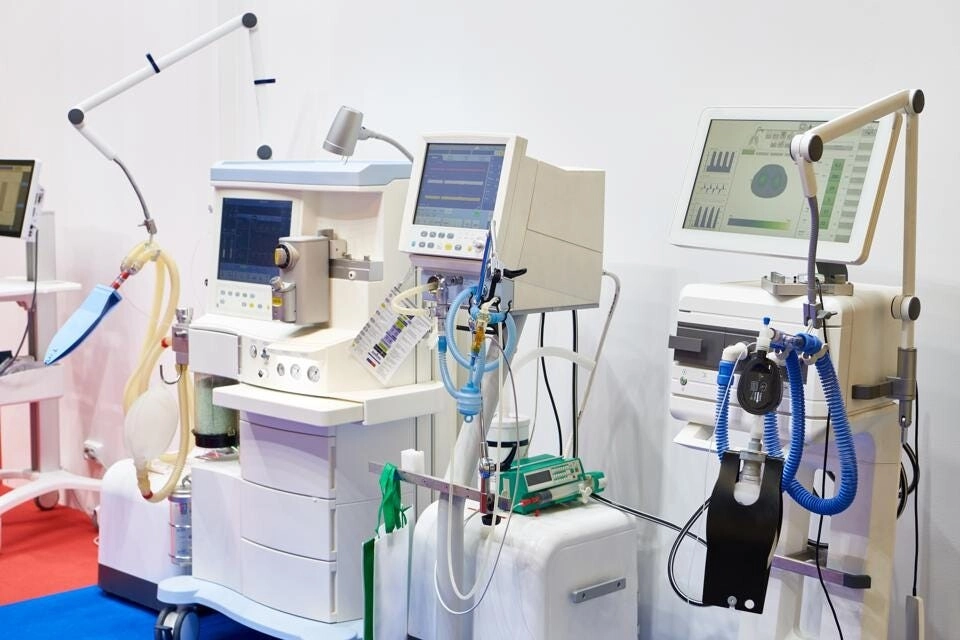
Pantalla táctil capacitiva y ventiladores
Entre los distintos métodos táctiles, la tecnología capacitiva se ha convertido en la opción principal para los respiradores médicos. Ofrece una interacción rápida y fiable, ideal para el entorno hospitalario, donde se trabaja en espacios limpios y con alta presión.
¿Qué es una pantalla táctil capacitiva?
Las pantallas táctiles capacitivas detectan la entrada de datos mediante cambios en el campo eléctrico de la superficie. Cuando un objeto conductor, generalmente un dedo, se acerca o toca la superficie, modifica el campo y registra la posición del toque. Estas pantallas reaccionan al contacto suave y no requieren una presión fuerte. Esto las diferencia de las pantallas resistivas tradicionales.
Las pantallas capacitivas se utilizan con frecuencia en dispositivos médicos. Permiten un uso rápido y preciso incluso cuando el personal lleva guantes o trabaja en condiciones sucias.
¿Qué componentes tiene una pantalla táctil capacitiva?
Una pantalla táctil LCD capacitiva TFT estándar tiene varias capas construidas diseñadas para un buen rendimiento y resistencia:
-
Capa aislante de vidrio
-
Recubrimiento conductor transparente (generalmente óxido de indio y estaño o materiales similares)
-
Controlador de microchip para procesamiento de señales
-
Procesador de señal digital CMOS
-
Cristal trasero con adhesivo de montaje
-
Vidrio protector superior o capa de cubierta, a menudo con tratamientos adicionales.
Estas capas trabajan juntas para formar una interfaz resistente y rápida. Puede soportar limpiezas repetidas y esfuerzos físicos.
¿Qué es una pantalla táctil capacitiva proyectiva?
La tecnología táctil capacitiva proyectiva (PCT o PCAP) es una versión mejorada de la tecnología capacitiva. Los equipos médicos la utilizan ampliamente. Emplea una matriz de electrodos transparentes y un circuito de control para crear un campo eléctrico tridimensional sobre la pantalla.
Esta compilación ofrece mejores características, tales como:
-
Compatibilidad con gestos multitáctiles
-
Funcionamiento fiable con guantes quirúrgicos.
-
Mayor durabilidad frente al desgaste y los factores ambientales.
Para las pantallas de los respiradores, los módulos LCD TFT capacitivos proyectivos proporcionan la sensibilidad y la potencia necesarias en entornos de UCI con mucha actividad.
¿Qué ventajas ofrece una pantalla táctil capacitiva a las pantallas de los ventiladores?
La tecnología táctil capacitiva ofrece claras ventajas que se ajustan a las necesidades de los respiradores:
-
Claridad A diferencia de las pantallas resistivas, donde la imagen se encuentra detrás de capas adicionales que pueden disminuir la calidad, los diseños capacitivos mantienen un excelente rendimiento óptico. La alta nitidez ayuda al personal médico a leer con precisión los detalles de las ondas y los datos numéricos relevantes para la atención del paciente.
-
Facilidad de uso No se requiere presión para registrar los toques. Esto permite introducir datos rápidamente en situaciones de urgencia. Los sensores capacitivos proyectivos también son compatibles con el uso de guantes y mantienen su capacidad de respuesta sin que el personal tenga que quitarse el equipo de protección.
-
Durabilidad Las pantallas capacitivas resisten líquidos, suciedad superficial y productos químicos de limpieza fuertes utilizados en hospitales. Combinadas con la unión óptica y recubrimientos protectores, soportan vibraciones durante el transporte, cambios de temperatura y funcionamiento continuo las 24 horas del día, los 7 días de la semana, con un desgaste mínimo.
Las mejoras adicionales, como los recubrimientos antirreflejos (AG), antirreflectantes (AR) y antihuellas (AF) —a veces aplicados como películas 3A—, aumentan la visibilidad y la limpieza. La unión óptica elimina los espacios de aire entre el panel táctil y la pantalla LCD. Esto mejora el contraste, reduce los reflejos internos y aumenta la resistencia al agua y a la separación.
Nuevas mejoras en la pantalla LCD táctil para ventiladores médicos
Las mejoras recientes están diseñadas para satisfacer las necesidades específicas del ámbito médico. Las opciones de alto brillo (hasta 1000-1500 nits) facilitan la lectura de la pantalla en entornos luminosos o durante el transporte. Su amplio rango de temperatura de funcionamiento (de -30 °C a 85 °C) garantiza un funcionamiento estable en diversas situaciones clínicas y de almacenamiento. El blindaje EMI/EMC protege contra las señales de otros equipos médicos.
Los fabricantes también incorporan tratamientos antibacterianos en la superficie y una larga vida útil. Estos cumplen con las normas de seguridad IEC 60601 y la norma de gestión de calidad ISO 13485 para dispositivos médicos. Estos cambios reducen el mantenimiento y aumentan la fiabilidad general del sistema.
Conclusión
Los fabricantes de respiradores, los proveedores de equipos originales (OEM) y las fábricas de dispositivos médicos que busquen módulos de pantalla táctil TFT LCD fiables y de alto rendimiento deberían asociarse con un fabricante y proveedor de pantallas industriales consolidado.
Kadi DisplayComo fábrica profesional con certificaciones ISO9001, ISO14001, ISO13485 e IATF16949, ofrece soluciones personalizables de pantallas TFT LCD y táctiles capacitivas optimizadas para respiradores médicos. Sus productos cuentan con amplios rangos de temperatura, alto brillo, unión óptica, tratamientos antirreflejo y antihuellas, y soporte integral OEM/ODM para acelerar el desarrollo y garantizar la estabilidad del suministro a largo plazo.
Contacta hoy mismo con el equipo de Kadi Display. Para hablar sobre los requisitos del proyecto, solicitar muestras o explorar oportunidades de colaboración para interfaces de ventiladores de próxima generación, póngase en contacto a través del formulario de contacto en su sitio web o por correo electrónico. Sales@sz-kadi.com para mejorar la fiabilidad, la usabilidad y el cumplimiento de los dispositivos mediante tecnología de visualización avanzada de un fabricante y proveedor de confianza.
PREVIOR
Las mejores pantallas táctiles industriales para entornos exigentes.
Siguiente
Pantalla IPS para uso industrial: 5 consideraciones clave
Deja un comentario

Últimos blogs y noticias
- Industrial LCD EOL: What Happens from Pre-Announcement to Replacement Mass Production?
- Electronic Component Obsolescence Management for Industrial Displays: An OEM Guide
- How to Develop a Production Ready Custom Display Assembly TFT Module Touch Cover Glass FPC Bonding and Mounting
- 15 Pin vs 22 Pin Raspberry Pi DSI Connectors Cable Pinout and Compatibility
- Native MIPI DSI vs LVDS or HDMI Bridge: An OEM Display Architecture Decision Guide