Inicio
-
Blog & Noticias
-
Pantalla LCD TFT tipo barra alargada para paneles de control e interfaces hombre-máquina (HMI) industriales.
Pantalla LCD TFT tipo barra alargada para paneles de control e interfaces hombre-máquina (HMI) industriales.
2026-05-16
00:00
Introducción: Redefiniendo el horizonte visual
El cambio en el factor de forma
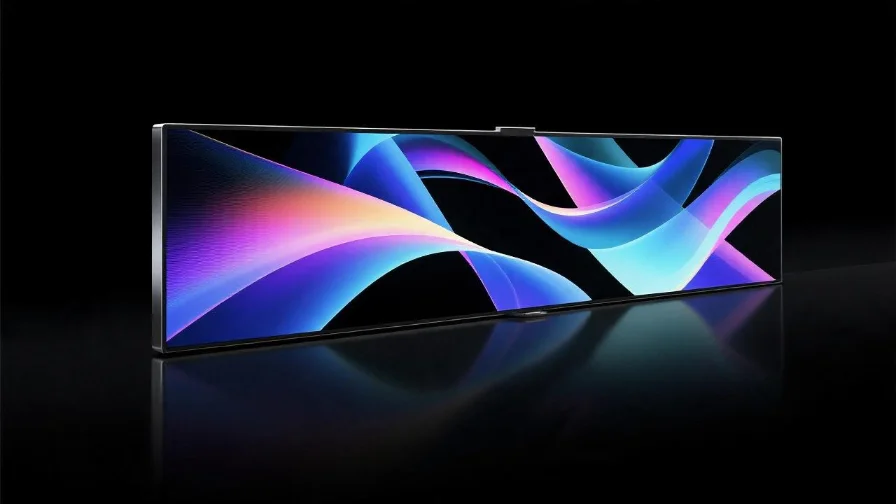
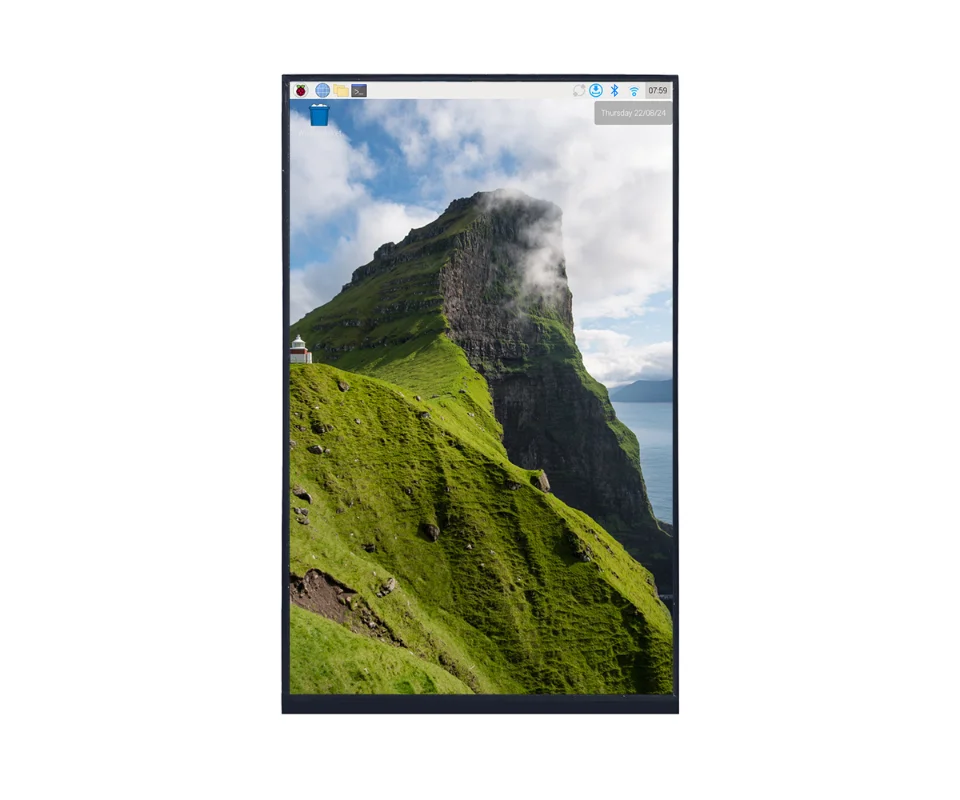
Los módulos TFT LCD de tipo barra, también conocidos como pantallas alargadas, son pantallas de cristal líquido especializadas con una forma rectangular extendida. Se diferencian de las pantallas cuadradas o rectangulares típicas. Los módulos TFT LCD presentan una relación de aspecto mucho mayor, que suele superar el 16:9 o alcanzar el 32:9. Esta forma inusual resulta ideal en situaciones donde el espacio horizontal es limitado. Sin embargo, proporciona una amplia área de visualización en la dirección vertical. En los últimos años, este cambio en la forma de la pantalla ha modificado la manera en que ingenieros y diseñadores abordan la presentación de información visual. Los paneles estándar 4:3 y 16:9 dominaban los paneles de control y las interfaces hombre-máquina (HMI) industriales. Sin embargo, el auge de las pantallas ultraanchas de tipo barra alargada está cambiando esta situación.
Contexto del mercado
El mercado mundial de pantallas avanza hacia configuraciones ultraanchas con mayor rapidez que nunca. Los expertos predicen que para 2026, las pantallas LCD con barras alargadas se convertirán en el estándar en cabinas inteligentes y sistemas industriales autónomos. Esto se debe a que combinan diversos flujos de datos en una única interfaz ancha. Esta tendencia va más allá de la estética; se centra en una mayor eficiencia, una mayor seguridad y una mayor adaptabilidad tanto en el sector automotriz como en el industrial.
El papel de Kadi Display
Kadi Display lidera este desarrollo. Con dos décadas de experiencia en pantalla LCD TFT En el sector manufacturero, Kadi Display se ha consolidado como un socio confiable para fabricantes de equipos originales (OEM) que buscan soluciones de pantallas TFT de alta calidad para automoción y con estructura de barra estirada. Sus equipos técnicos se centran en el corte preciso, la robustez de la retroiluminación y la gestión integral del ciclo de vida. Estas características posicionan a Kadi Display como un socio clave en las futuras tecnologías de visualización.
Ventajas estratégicas en los paneles de control de automóviles
Optimización del espacio
El habitáculo de un vehículo actual alberga numerosos sensores, dispositivos de navegación, información del sistema de infoentretenimiento e imágenes de ayuda al conductor. Integrar todo esto en un espacio reducido del salpicadero resulta complicado. Las pantallas tipo barra alargada solucionan este problema extendiéndose horizontalmente a lo largo del salpicadero, sin obstruir la visión del conductor. Su diseño estrecho permite una amplia visualización de datos, incluyendo mapas de navegación e información del vehículo, evitando interfaces desordenadas.
Seguridad y ergonomía
Reducir el tiempo necesario para desviar la mirada es fundamental para la seguridad. Colocar la información vital del HUD y del panel de instrumentos en una sola línea horizontal ayuda. Los conductores pueden procesar más datos con menos desvío de la vista. Este beneficio práctico se traduce en una conducción más segura. Esto cobra especial importancia a medida que los automóviles avanzan hacia mayores niveles de automatización.
Tendencias de interfaz de usuario para 2026
La tendencia de diseño «de pilar a pilar» (P2P) está ganando terreno en los vehículos eléctricos (VE). Estos paneles digitales continuos se extienden de un lado a otro del habitáculo, creando transiciones fluidas entre las áreas de infoentretenimiento y los sistemas avanzados de asistencia al conductor (ADAS). Las pantallas TFT automotrices alargadas permiten animaciones fluidas y diseños flexibles, adaptándose rápidamente a las entradas basadas en inteligencia artificial. Algunos ejemplos incluyen la detección de carriles o las advertencias de proximidad.
Mejora de los sistemas HMI y de control industriales
Densidad de datos
Los operarios de fábrica suelen realizar tareas complejas que requieren el seguimiento simultáneo de varios factores, como patrones de temperatura, velocidad de las cintas transportadoras y niveles de producción. Las pantallas LCD de barra alargada destacan en este ámbito. Su relación de aspecto especial permite visualizar datos de múltiples fuentes sin que los gráficos se solapen ni el texto se vea comprimido. En el sector de las pantallas, los módulos LCD TFT de barra se han consolidado como una solución flexible para diversos usos en fábricas y empresas.
Fiabilidad robusta
Para que una pantalla HMI industrial funcione de forma estable en plantas de producción o fuera de las unidades de control, la resistencia es tan importante como la nitidez. Las especificaciones habituales abarcan temperaturas de funcionamiento de -30 °C a +85 °C. También incluyen un brillo superior a 1000 nits para una visualización clara bajo la luz solar. Estas pantallas utilizan láminas de vidrio reforzado y capas protectoras que evitan la entrada de polvo y agua.
| Características | Especificación |
| Temperatura de funcionamiento | De -30 °C a +85 °C |
| Brillo | ≥1000 nits |
| Tipografía táctil | Capacitivo G+G |
| Opciones de interfaz | LVDS / MIPI / eDP |
Eficiencia interactiva
La precisión táctil en zonas difíciles puede determinar la productividad en entornos industriales. La tecnología capacitiva G+G (vidrio sobre vidrio) ofrece una precisión constante. Funciona incluso con guantes o en condiciones de movimiento. Esto la hace ideal para líneas de producción o cabinas de impresión al aire libre.
Personalización: Más allá de las dimensiones estándar
Estudios de caso sobre dimensionamiento
La personalización influye en los proyectos de instalación de pantallas actuales. Por ejemplo, ciertos tamaños se adaptan bien a necesidades específicas. Un módulo ultra ancho de 12,3 pulgadas es frecuente en los paneles de instrumentos de los vehículos eléctricos. Una pantalla estirada de 28 pulgadas Se utiliza en interfaces hombre-máquina (HMI) para el sector minorista. Pensemos en estanterías inteligentes o etiquetas de precio digitales. Estos ejemplos demuestran cómo los tamaños adaptables permiten a los creadores ajustar las configuraciones a las limitaciones de espacio.
Adaptación técnica
La compatibilidad entre sistemas sigue siendo un factor clave en la planificación. Los diseñadores optan por LVDS para sistemas de control más antiguos, o bien eligen enlaces MIPI/eDP para sistemas SoC de última generación. Estos se integran con chips de grado automotriz.
La ventaja de Kadi
La configuración de producción de Kadi Display maneja cada fase. Esto abarca desde el corte del vidrio hasta el ensamblaje completo del módulo. Aplica estrictos controles de calidad en cada punto. Servicios OEM/ODM Brindar soporte a los clientes durante las fases de creación rápida de prototipos, manteniendo al mismo tiempo la estabilidad del suministro a largo plazo durante los ciclos de vida de los productos, que suelen abarcar de cinco a diez años.
Perspectivas futuras e implementación
Convergencia de IA e interfaz de usuario
La inteligencia artificial transformará la interacción de los usuarios con las pantallas informativas. A medida que las herramientas de predicción se integren con los algoritmos de aprendizaje en automóviles o fábricas, las pantallas alargadas actuarán como fondos flexibles. Adivinarán las necesidades del usuario y mostrarán solo la información clave en cada momento.
Integración sostenible
Los diseños más recientes hacen hincapié en las prácticas sostenibles. Utilizan sistemas de retroiluminación LED de bajo consumo. Además, cuentan con estructuras de marco delgado que reducen el desperdicio de material durante la fabricación. Estas medidas respetuosas con el medio ambiente minimizan el impacto ambiental. Asimismo, cumplen con las normas ESG internacionales que los fabricantes demandan cada vez más.
A medida que crece la necesidad de configuraciones profundas pero que ahorren espacio en los campos del transporte y la fábrica, asociarse con un fabricante experto en la construcción de pantallas tipo barra se vuelve crucial. Como líder en tecnología de pantallas especializadas, Kadi Display ofrece las soluciones TFT LCD de barra estirada de ingeniería de precisión necesarias para cumplir con estos rigurosos estándares. Para el desarrollo de cabinas de vehículos inteligentes o sistemas de control industrial de misión crítica, El equipo técnico de Kadi Display Está disponible para explorar configuraciones personalizadas que garanticen la sostenibilidad de las marcas globales a largo plazo.
Preguntas frecuentes
¿Cuáles son las principales ventajas de usar una pantalla LCD con formato de barra alargada en comparación con una pantalla estándar?
A: Las pantallas LCD de formato alargado están diseñadas para entornos con espacio reducido, pero donde se requiere una amplia visibilidad. Ofrecen relaciones de aspecto de hasta 16:1 o superiores, ideales para paneles de control de automóviles o paneles de control industriales compactos donde el espacio vertical es limitado, pero se necesita un flujo de datos horizontal continuo.
¿Las pantallas LCD TFT de barra alargada admiten la función táctil?
R: Sí. Estas pantallas pueden incorporar cubiertas táctiles capacitivas (PCAP) o resistivas, según las necesidades. En entornos industriales exigentes o en el interior de vehículos sometidos a cambios bruscos de temperatura, el vidrio multitáctil capacitivo ofrece máxima resistencia y una respuesta rápida.
¿Estas pantallas son legibles bajo la luz directa del sol?
R: Por supuesto. Los monitores profesionales cuentan con retroiluminación brillante, que suele superar los 1000 nits. Además, incluyen acabados antirreflejos. Ambos garantizan una visión nítida incluso bajo luz intensa.
¿Qué interfaces se utilizan habitualmente para los módulos LCD de tipo barra?
A: En función de las necesidades específicas, LVDS sigue siendo común en los sistemas antiguos. Mientras tanto, MIPI DSI y eDP lideran los nuevos planes vinculados a SoC avanzados. Estos se utilizan en sistemas de infoentretenimiento para automóviles o unidades de control de fábrica.
¿Cómo garantiza Kadi Display la disponibilidad a largo plazo de tamaños personalizados?
A: Como fabricante especializado con supervisión completa de la cadena de suministro, desde el corte de paneles hasta la puesta a punto final, Kadi Display garantiza soporte durante cinco a diez años. Esto incluye modelos estándar y personalizados para los sectores automotriz e industrial.
PREVIOR
Módulos de pantalla TFT HDMI: Plug-and-Play para HMI y paneles de control industriales.
Siguiente
Interfaces de pantalla MIPI: Boost TFT LCD para Raspberry Pi y sistemas embebidos 2026
Deja un comentario

Últimos blogs y noticias
- Industrial LCD EOL: What Happens from Pre-Announcement to Replacement Mass Production?
- Electronic Component Obsolescence Management for Industrial Displays: An OEM Guide
- How to Develop a Production Ready Custom Display Assembly TFT Module Touch Cover Glass FPC Bonding and Mounting
- 15 Pin vs 22 Pin Raspberry Pi DSI Connectors Cable Pinout and Compatibility
- Native MIPI DSI vs LVDS or HDMI Bridge: An OEM Display Architecture Decision Guide