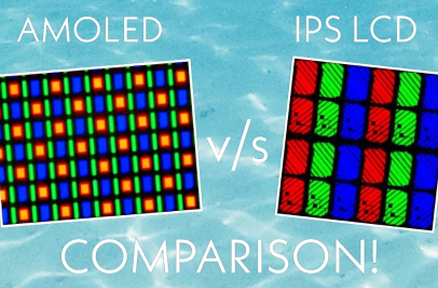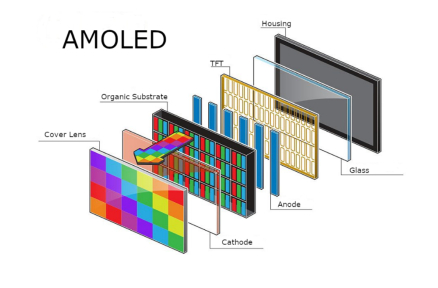

Solutions d'affichage agricole pour l'agriculture moderne
2026-03-26
00:00
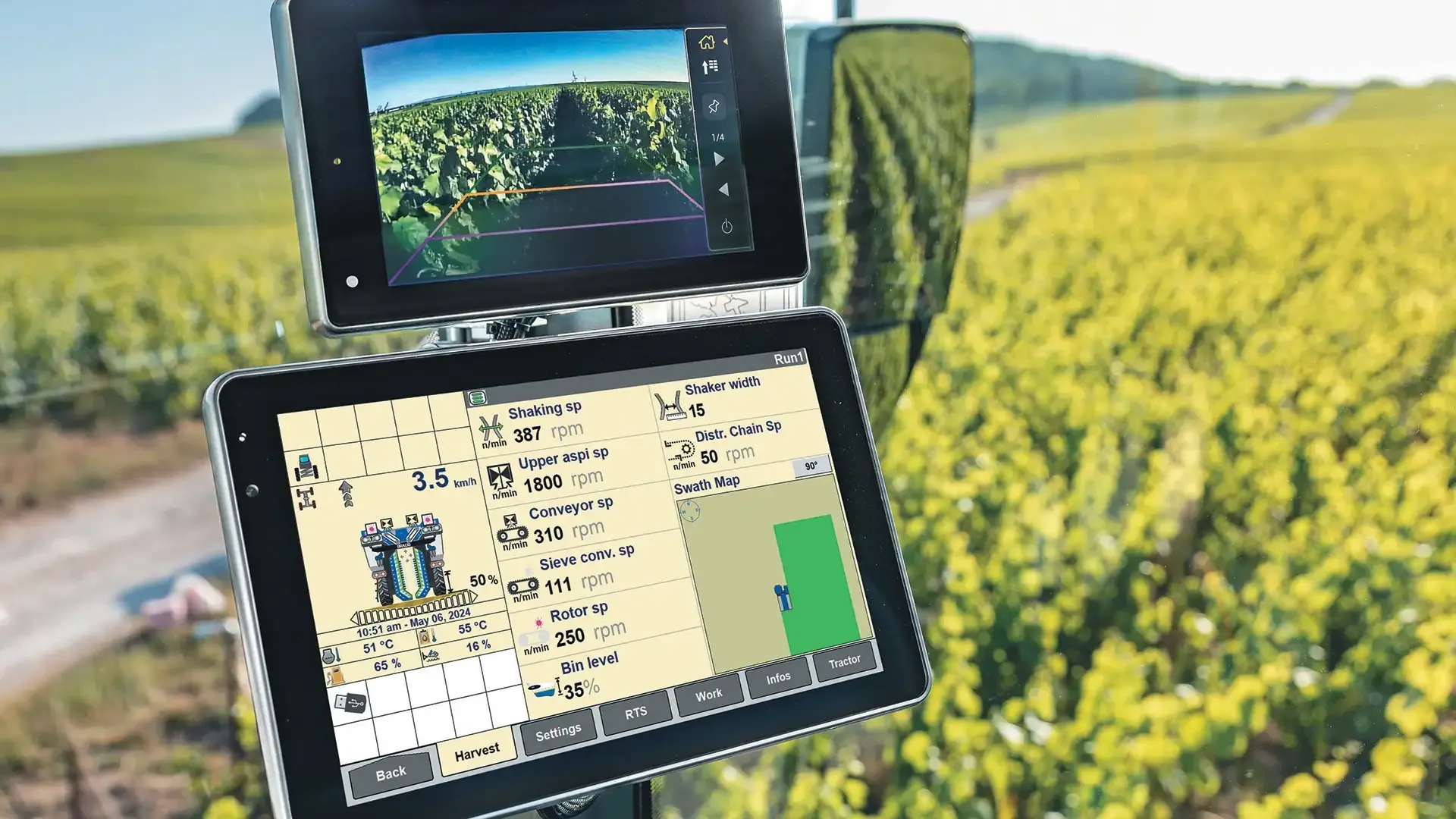
Dans le monde en évolution rapide de l’agriculture numérique, affichages agricoles agir comme des pièces clés qui aident avec des méthodes agricoles exactes. Ces écrans spéciaux s'adaptent aux tracteurs, moissonneuses, contrôleurs d'eau, drones agricoles et systèmes robotisés. Ils fonctionnent comme des interfaces homme-machine (HMI) qui affichent des données en direct et permettent le contrôle. Contrairement aux écrans ordinaires à la maison ou au bureau, les écrans agricoles se concentrent sur la durabilité dans des conditions extérieures difficiles telles que la poussière, l'eau, l'agitation, le temps très chaud ou froid et le soleil brillant. Modules LCD TFT industriels Avec des rétroéclairages forts et des couches protectrices, les opérateurs gardent des vues claires et une utilisation tactile constante dans des paramètres de champ rugueux.
Pourquoi la technologie d'affichage agricole est importante dans l'agriculture
L’agriculture est au cœur de l’agriculture intelligente
Aujourd'hui’ L’agriculture dépend des données pour faire des choix intelligents. Cela aide à augmenter les rendements, à économiser des ressources et à réduire les coûts. Les écrans agricoles recueillent des informations à partir de capteurs qui vérifient l'eau du sol, les nutriments, la météo et l'état de la machine. Cette configuration prend en charge des méthodes exactes comme l'engrais variable ou la propagation de pesticides. Les écrans de qualité industrielle continuent de fonctionner sans arrêt dans les champs lointains où les écrans normaux se rompent souvent avec la météo.
Affichages industriels conçus pour des environnements agricoles difficiles
L'environnement agricole soumet l'équipement à des endroits difficiles, qui comprennent des secoussements constants des machines, des nuages de poussière pendant la saison de la récolte, des éclaboussures d'eau dans les zones d'arrosage et des changements de température extrêmes des nuits froides aux jours chauds. Les écrans industriels ont des caractéristiques de protection, qui comprennent les suivantes: IK08, IK10, résistance aux chocs et tenue aux chocs, ainsi que IP65 et IP67, qui protègent l'engrenage de la poussière et de l'eau. De plus, les écrans comprennent des couches supplémentaires, qui comprennent des couvertures anti-éblouissement (AG), anti-réflexion et anti-UV, qui assurent une vue claire et la protection de l'équipement contre les dommages résultant de l'exposition au soleil pendant de longues heures. La large gamme de températures de travail de -30°C à 85°C assure un fonctionnement sans heurt de l'engrenage pendant les saisons changeantes.
Applications clés des affichages agricoles en agriculture
Affichages agricoles dans les tracteurs et les machines de récolte
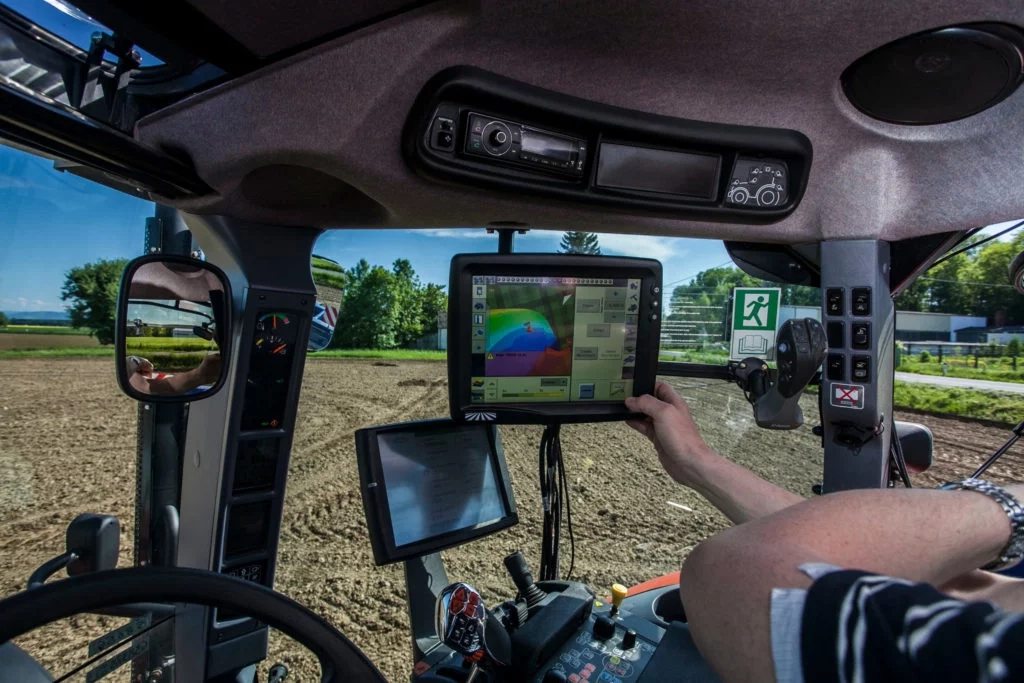
Dans les tracteurs et les moissonneuses, les écrans servent de panneaux principaux de l'opérateur. Ils montrent l'orientation GPS, les contrôles du moteur (RPM, température, niveaux de carburant, pression d'huile), les cartes de rendement et les numéros de consommation de carburant. Des écrans très clairs avec de grands angles de vue (habituellement la technologie IPS donnant 85/85/85/85 degrés) permettent aux opérateurs de voir des données importantes de différents endroits de siège sans flou. Le lien avec les systèmes de bus CAN permet de parler en douceur avec les commandes du véhicule pour montrer les performances en direct et les fonctions automatiques.
Écrans tactiles lisibles à la lumière du soleil pour systèmes d'irrigation
La gestion de l'eau se produit souvent à l'extérieur sous un soleil fort. Les écrans tactiles lisibles au soleil avec une luminosité de 800 à 1200 nits arrêtent le lavage. Ils maintiennent les débits, la pression et les informations de calendrier faciles à lire. Ces écrans prennent en charge le tactile capacitif projeté (PCAP) ou résistif. Cela permet des changements pendant que les opérateurs portent des gants dans des endroits humides ou boueux. Le collage optique coupe les réflexions et augmente le contraste pour une meilleure utilisation extérieure.
Intégration des écrans agricoles dans les drones et les robots agricoles
Les drones et les robots autonomes effectuent des contrôles des cultures, des pulvérisations ponctuelles et des cartes de terrain. Les affichages dans les stations au sol ou à bord montrent des vidéos en direct, des images multicouleurs et des trajectoires de vol. Les panneaux IPS à haute luminosité avec liaison optique coupent les réflexions et améliorent le contraste dans les champs ouverts. Cela améliore l'exactitude dans les tâches minutieuses telles que la surveillance de la santé des plantes et les découvertes de lacunes.
Affichages industriels pour équipements de tri et d'emballage
Les lieux d'après-récolte utilisent des écrans pour les contrôles de qualité, la surveillance de la vitesse du convoyeur et le suivi des règles. Les modules robustes avec une longue durée de vie (souvent 50 000 heures) supportent le travail sans arrêt, ce qui réduit les pannes dans les endroits en mouvement rapide.
Caractéristiques essentielles des écrans d'agriculture industrielle
Les restes de puissance durables sont les plus importants dans les paramètres agricoles. Les spécifications clés incluent:
-
Construction robuste: protection contre les chocs IK et étanchéité IP contre les entrées extérieures.
-
Luminosité et visibilité élevées : 800 à 1200 nits ou plus pour une lisibilité au soleil, plus des panneaux IPS pour une couleur constante et des grands angles.
-
Tolérance à température extrême: Le travail varie de -30°C à 85°C dans de nombreux modèles. Cela assure une marche régulière à travers les changements de saison.
-
Capacités tactiles: Touch PCAP pris en charge par les gants avec des couches anti-empreintes digitales pour une utilisation réelle sur le terrain.
-
Compatibilité de l'interface: prise en charge des bus LVDS, eDP, HDMI et CAN pour s'adapter aux commandes intégrées et aux systèmes de véhicule.
Ces caractéristiques ensemble réduisent le temps d'arrêt et les coûts de soins.
Considérations techniques avancées pour les affichages agricoles
Liens optiques et traitements de surface
Le collage optique utilise un adhésif transparent (OCA) pour combler les espaces entre le panneau LCD et le verre de couverture. Cela augmente grandement le contraste, coupe les réflexions et renforce contre les secoussements et les chocs. Associés à des couches anti-éblouissement, anti-réflexion et anti-UV, ces traitements maintiennent le meilleur travail dans une lumière extérieure vive tout en protégeant contre les dommages prolongés du soleil.
Technologies d'efficacité énergétique et de rétroéclairage
Les écrans à haute luminosité utilisent des rétroéclairages LED avancés pour atteindre 1000 nits sans trop de consommation d'énergie. La faible puissance construit de la matière pour les batteries ou les équipements solaires, comme les contrôleurs d'eau portatifs ou les stations au sol de drones. Cela prolonge le temps d'exécution dans des endroits éloignés.
Normes de résistance aux vibrations et aux chocs
Au-delà des classifications IP et IK de base, les écrans pour machines agricoles sont soumis à des tests rigoureux pour les vibrations (par exemple, sinus et motifs aléatoires selon les règles ISO 16750 ou MIL-STD) et les chocs mécaniques. Les boîtiers robustes et le montage serré des pièces arrêtent les défaillances lors de travaux de terrain difficiles comme le labourage ou la récolte sur un sol inégal.
Options de personnalisation pour les affichages agricoles
Les choix personnalisés répondent aux besoins spécifiques de la ferme.
Personnalisation de la taille, de la résolution et de la luminosité de l'écran
Les tailles vont de petites 7 à 10,1 pouces pour les contrôleurs portatifs à plus grandes 12,1 à 15,6 pouces pour les cabines des véhicules. Résolutions comme 1280× 800 or 1920× 1080 donne des images nettes. La luminosité personnalisée (jusqu'à 1100 nits ou plus) convient au travail en extérieur. Les choix comprennent des tailles de verre de couverture personnalisées, des impressions de logo et des boutons intégrés.
Amélioration de la robustesse et des adaptations environnementales
Résistance aux chocs IK10 personnalisée, étanchéité IP67, couches anti-UV et liaison optique augmentent la durée de vie dans les champs poussiéreux ou humides. Les pièces à grande température arrêtent les défaillances pendant le froid du printemps ou la chaleur estivale.
Fiabilité et intégration à long terme
Les écrans disposent d'éclairage régulier et de connexions (LVDS, eDP, HDMI) pour un ajustement harmonieux avec les systèmes intégrés. Les conceptions à faible puissance supportent les outils à batterie dans des endroits éloignés.
| Caractéristique | Avantages |
|---|---|
| Taille d'affichage & Résolution | Interface utilisateur sur mesure pour des machines spécifiques ou des appareils portables |
| Haute luminosité (800 nits) | Visibilité claire en lumière solaire directe |
| Couverture en verre & Personnalisation | Amélioration de la durabilité, de la marque et de l'interaction utilisateur |
| IK08–IK10 Résistance aux chocs | Protection contre les chocs mécaniques |
| IP65/67 & Anti-éblouissement/UV | Résistance à la poussière, à l'eau et aux réflexions en extérieur |
| Touche à gants | Fonctionnement sans enlever le matériel de protection |
| Large plage de température (-30°C à 85°C) | Performance fiable dans des conditions saisonnières extrêmes |
| Liage optique | Contraste amélioré, réflexions réduites et durabilité supérieure |
Tendances futures dans l'affichage agricole et la technologie agricole industrielle
Affichages agricoles intelligents avec intégration AI et IoT
De nouvelles étapes relient les écrans aux réseaux IoT et aux outils d’IA. Cela apporte des devinations intelligentes sur la santé des cultures, les découvertes d'insectes et les prévisions de rendement. Les tableaux de bord en direct permettent des corrections précoces.
LCDs solaires économes en énergie pour des pratiques durables
La technologie à faible puissance et haute luminosité réduit la consommation d'énergie dans les équipements solaires ou à batterie. Cela correspond aux objectifs de l'agriculture verte et allonge le temps de fonctionnement.
Conclusion
Les expositions agricoles sont devenues des outils indispensables pour l'agriculture exacte. Ils offrent une fiabilité supérieure, des vues claires et une utilisation pratique dans des endroits difficiles. Des écrans lisibles au soleil dans les machines de terrain aux HMI robustes dans les endroits d'emballage, ces solutions augmentent l'efficacité et les moyens écologiques.
Affichage Kadi, un fabricant, fournisseur et usine de premier plan basé à Shenzhen, en Chine, avec plus de 20 ans d'expertise dans les modules LCD TFT industriels, excelle dans la livraison d'écrans lisibles au soleil à haute luminosité (jusqu'à 1100 nits), de solutions à grande température (-30 ° C à 85 ° C) et d'options personnalisées pour les applications difficiles, y compris l'agriculture. Kadi Display fournit des services OEM/ODM pour des projets industriels, extérieurs et embarqués. Pour des solutions d'affichage agricole sur mesure, contactez l'équipe dès aujourd'hui.
Questions fréquemment posées (FAQ)
Comment les écrans agricoles industriels gèrent-ils les conditions météorologiques extrêmes?
Ils disposent d'une grande température de fonctionnement (-30°C à 85°C dans de nombreux modèles), d'une protection IP65/IP67 et d'une résistance aux chocs IK.
Les écrans agricoles peuvent-ils supporter le fonctionnement tactile des gants?
Oui, les technologies tactiles PCAP peuvent être configurées pour la compatibilité des gants, essentielle pour le travail sur le terrain.
Quelles options de personnalisation sont disponibles pour les applications agricoles?
Les options comprennent la taille (7 à 15,6 pouces), la résolution, la luminosité, les interfaces (LVDS, eDP, HDMI), les revêtements, le collage optique et les améliorations robustes.
Partenarier avec un fabricant et un fournisseur de confiance pour les affichages agricoles personnalisés
En tant que fabricant professionnel, fournisseur et usine, Kadi Display est spécialisé dans les écrans LCD TFT de qualité industrielle de haut niveau et les modules tactiles, spécialement conçus pour fonctionner dans le secteur agricole ou dans des conditions difficiles. Qu'il s'agisse d'écrans lisibles au soleil à haute luminosité, d'écrans robustes avec une grande température de fonctionnement ou d'interfaces HMI entièrement personnalisables, l'équipe assure des produits de première classe certifiés tout en fournissant des services OEM / ODM flexibles. Ainsi, contactez l'équipe dès aujourd'hui pour discuter de vos exigences de projet, de vos demandes d'échantillons ou de services d'intégration. Améliorez votre équipement agricole avec l'expertise de solutions d'affichage professionnelles. Vous pouvez entrer en contact avec l'équipe à sales@sz-kadi.com or call 86-13662585086.
Précédent
Top personnalisé LCD, TFT, OLED affichage fabricants en Chine
Suivant
Comment l'affichage des véhicules de golf améliore les performances et l'expérience utilisateur
Laisser un commentaire

Derniers blogs et nouvelles
- Native MIPI DSI vs LVDS or HDMI Bridge: An OEM Display Architecture Decision Guide
- MIPI DSI Display Driver Development for Embedded Linux What Hardware Buyers Need to Confirm
- Parallel RGB LCD Timing from Datasheet Values to Verified Signals
- Display Interface Bridge Conversion Limits: What a Bridge IC Can and Cannot Change
- Why LCD Screens Go Black Through Polarized Sunglasses and How to Prevent It