
IPS vs TN - Comment choisir la bonne technologie d'affichage?
2026-01-09
11:50
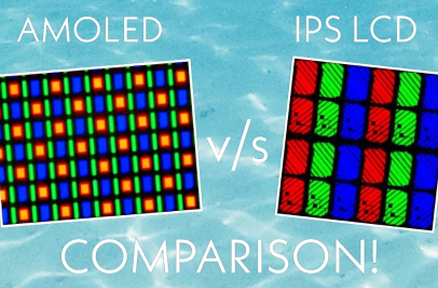
Beaucoup de gens pensent que tous les panneaux de moniteur ressemblent à la même chose, mais cette idée est complètement fausse. Ce type d'écran modifie considérablement l'utilisation quotidienne de l'ordinateur, peu importe si quelqu'un joue à des jeux intenses, travaille comme un designer professionnel ou navigue simplement à l'aise. Il existe deux types de panneaux populaires : Commutation en avion (IPS) et Twisted Nematic (TN). Chacun a ses points forts et ses faiblesses. Ce guide détaillé explore les principales différences entre les panneaux IPS et TN. Il compare la qualité de l'image, les numéros de vitesse, la ténacité, le prix et les meilleures utilisations. L'article clarifie les mauvaises idées et donne des faits nouveaux et corrects.
1. Comprendre les bases: IPS Panel et TN Panel Technology
Les technologies d'écran influent fortement sur la façon dont les images apparaissent sur les moniteurs. Des choses comme la correcteur des couleurs, les angles de vision et la vitesse de réaction comptent beaucoup. Connaître ces détails aide les acheteurs à choisir avec sagesse.
Les panneaux IPS brillent vraiment avec une excellente vérité de couleur et de grands angles de vision. Ils gardent les couleurs stables et vraies, peu importe d'où quelqu'un regarde. Cela les rend parfaits pour les experts qui ont besoin de nuances exactes, tels que les designers graphiques ou les photographes. Cependant, les panneaux IPS réagissent généralement un peu plus lentement que les panneaux TN. Cela peut créer de petits problèmes dans les jeux rapides. Les principaux points des panneaux IPS comprennent:
-
Excellente précision des couleurs
-
Angles de vision larges
-
Stable et vrai spectacle de couleurs
-
Temps de réponse plus lents
D'autre part, les panneaux TN gagnent les cœurs avec des temps de réponse rapides et des taux de rafraîchissement élevés. Les joueurs les aiment pour cette raison. Ils coûtent également moins cher que les panneaux IPS. Cependant, les couleurs semblent plus faibles et les angles de vision restent étroits. Les teintes peuvent se tordre quand elles sont vues du côté, et les couleurs ne correspondent jamais à la netteté IPS. Les principaux points des panneaux TN comprennent:
-
Temps de réponse rapides
-
Taux de rafraîchissement élevés
-
Tarifs bon marché
-
Précision des couleurs et angles de vision plus faibles
Ces différences de base préparent les lecteurs à examiner de plus près différents domaines.
2. Qualité visuelle: Comparant la précision des couleurs et les angles de vision
La qualité de l'image dans les panneaux IPS et TN dépend principalement de la vérité des couleurs et des angles de vision. Les panneaux IPS reçoivent beaucoup d'éloges pour leur correcteur de couleur exceptionnelle. Ils peuvent afficher 16,7 millions de couleurs, ce qui correspond à ce que la plupart des cartes graphiques envoient. Cette capacité fonctionne merveilleusement pour les designers, les photographes et tous ceux qui veulent des nuances réalistes.
Les panneaux TN, cependant, luttent contre la vérité des couleurs. Ils ne gèrent que 262 144 couleurs, beaucoup moins que IPS. Cette limite provoque souvent des bandes de couleur où les gradients doux se transforment en bandes claires. Les panneaux TN le compensent avec une vitesse plus rapide, ce que préfèrent les joueurs qui se soucient plus de mouvements rapides que de couleurs vives. Pourtant, ce commerce montre encore sa place spéciale.
Les angles de vision créent un autre écart clair. Les panneaux IPS offrent d'énormes angles de vision. Les couleurs et le contraste restent forts même depuis des positions latérales nettes. Cela aide lorsque plusieurs personnes regardent ensemble ou lorsque quelqu'un est assis hors centre pour des films ou des jeux.
Les panneaux TN maintiennent les angles de vision petits. Les couleurs et le contraste changent rapidement si le spectateur s'éloigne de l'avant. Ce problème nuit à la visualisation en groupe ou aux sièges flexibles et réduit le plaisir total.
3. Mesures de performance : taux de rafraîchissement et temps de réponse
Les numéros de vitesse importants - les taux de rafraîchissement et les temps de réponse - façonnent à quel point tout se sent lisse. Le taux de rafraîchissement, mesuré en Hertz (Hz), indique combien de fois l'écran se met à jour chaque seconde. Des chiffres plus élevés apportent un mouvement plus lisse, idéal pour des jeux rapides ou des vidéos claires.
Le temps de réponse, compté en millisecondes (ms), montre à quelle vitesse les pixels changent de couleur. Des temps plus courts maintiennent les images nettes et coupent le flou de mouvement.
Les panneaux TN mènent fortement ici. Ils atteignent souvent des taux de rafraîchissement de 144 à 240 Hz et des temps de réponse de 1 à 2 ms. Ces fonctionnalités en font des favoris dans le jeu sérieux où chaque minuscule moment compte.
Les panneaux IPS offrent généralement 60-144 Hz avec des réponses de 4-8 ms. Ils sont en retard à la vitesse pure. Pourtant, ils se concentrent sur la vérité des couleurs et la stabilité des angles. Cela convient aux tâches de conception ou d'édition où les détails minutieux sont plus importants que la rapidité brute.
Cet équilibre montre clairement que les panneaux TN règlent les tâches en mouvement rapide. Pendant ce temps, les panneaux IPS améliorent les tâches qui nécessitent un regard attentif.
4. Évaluation de la durabilité: durée de vie et résistance aux dommages
Les contrôles de résistance des panneaux IPS et TN couvrent la durée de vie et la protection contre les dommages. Les panneaux IPS, aimés pour leurs couleurs et leurs angles, font parfois face à la rétention d'image ou à la gravure des images fixes laissées trop longtemps. Ces problèmes restent rares avec des soins normaux.
Les panneaux TN, connus pour leur vitesse et leur faible coût, luttent mieux contre la rétention d'image. Cependant, ils peuvent changer lentement de couleur au fil des ans, en particulier aux bords.
Les chiffres de durée de vie placent les panneaux IPS autour de 50 000 heures. Les panneaux TN durent de 40 000 à 50 000 heures. Les deux continuent de travailler pendant de nombreuses années lorsqu'ils sont bien traités.
En matière de force physique, les deux agissent de la même manière. Des coups durs ou des chutes blessent les deux types de manière égale. Une manipulation douce permet aux deux de durer plus longtemps dans une utilisation quotidienne difficile.
5. Analyse des coûts: Différences de prix entre les panneaux IPS et TN
L’argent est très important lors de l’achat de moniteurs. Les panneaux IPS et TN montrent des écarts de prix clairs. Les panneaux TN restent généralement dans la zone budgétaire. Un modèle TN de 27 pouces avec 144 Hz pourrait se vendre près de 300 $ parce que leur fabrication reste simple.
Les panneaux IPS demandent des prix plus élevés. Les modèles de taille similaire passent souvent 500 $. Le coût supplémentaire provient du travail d'usine plus difficile nécessaire pour de meilleures couleurs et angles. Néanmoins, la valeur correspond au travail - IPS se paie dans le travail pro, tandis que TN fonctionne bien pour les configurations de base.
En fin de compte, les choix vont au-delà de l’argent. Associer les fonctionnalités aux besoins réels apporte la meilleure valeur à long terme.
6. Cas d'utilisation idéaux: jeu, travail professionnel et utilisation générale
Les meilleures utilisations décident quel panneau convient aux différentes tâches. Pour les jeux, les panneaux TN se distinguent par leurs réactions rapides et leurs taux de rafraîchissement élevés. Ils aident à gagner dans des matchs compétitifs. Les couleurs faibles et les angles étroits blessent les jeux d'histoire profonde.
Les panneaux IPS se battent avec des couleurs vives, vraies et de grands angles. Ils soulèvent le plaisir dans des titres riches en histoires ou de grandes simulations. Les versions IPS modernes réagissent maintenant assez rapidement pour la plupart des joueurs.
Les emplois professionnels comme la conception graphique, le travail photo et l'édition vidéo préfèrent fortement l'IPS parce que les couleurs ne changent jamais. Les champs rapides comme le trading boursier choisissent parfois TN pour une vitesse instantanée.
Les tâches quotidiennes - la navigation sur le web, le streaming vidéo, les jeux légers - fonctionnent avec les deux types. IPS se sent plus agréable pour les tâches de couleur lourde. TN économise de l'argent pour des besoins quotidiens simples.
7. Faire le bon choix: Facteurs à considérer lors de l'achat de panneaux IPS ou TN
Choisir entre IPS et TN signifie examiner de près les besoins personnels. Les grands angles de vision poussent vers IPS pour le travail de groupe ou les sièges inclinés, en particulier dans les tâches de conception.
Les temps de réponse rapides indiquent directement TN pour la vitesse de jeu.
Une vérité couleur forte conduit à l'IPS pour les emplois créatifs.
Des budgets serrés choisissent souvent TN. Pourtant, les fonctionnalités IPS peuvent justifier des dépenses supplémentaires pour une utilisation à long terme.
Les noms de marque de confiance et les avis des utilisateurs aident à réduire le choix final et à répondre aux besoins exacts.
Questions fréquemment posées
Quelles sont les principales différences entre les panneaux IPS et TN en termes de reproduction des couleurs? Les panneaux IPS fonctionnent beaucoup mieux dans la vérité des couleurs et des angles de vision plus larges que les panneaux TN. Ils gardent les nuances exactes et stables, parfaits pour les emplois qui exigent des couleurs vraies. Les panneaux TN perdent de la précision, surtout du côté.
Quel type de panneau est le meilleur pour les jeux, IPS ou TN? Les panneaux TN conviennent mieux aux jeux concurrentiels avec des réponses plus rapides et des taux de rafraîchissement plus élevés. IPS apporte des images plus riches pour les jeux d'histoire. Le choix dépend de la vitesse ou de la beauté.
Les panneaux IPS sont-ils plus chers que les panneaux TN? Oui, les panneaux IPS coûtent généralement plus cher en raison de la construction complexe pour de meilleures couleurs et angles. Les prix changent selon le modèle et la marque.
Combien de temps durent généralement les panneaux IPS et TN? Les deux durent très longtemps avec de bons soins, souvent 40 000 à 50 000 heures. Le temps exact dépend de la qualité et de l'utilisation quotidienne.
Quels facteurs dois-je prendre en compte lors de la décision entre un IPS et un panel TN? Les points principaux comprennent les tâches quotidiennes, les angles de vision, la vitesse de réaction, les besoins en couleurs, le budget et la ténacité. Associez-les aux habitudes personnelles pour l'achat le plus intelligent.
Partenariat avec Kadi Display pour des solutions IPS et TN Premium
Les entreprises qui ont besoin de fournisseurs de panneaux IPS et TN réguliers recherchent des fabricants éprouvés comme Affichage Kadi, une usine basée à Shenzhen avec plus de 20 ans dans la production TFT LCD. En tant que fournisseur leader d'écrans industriels et médicaux, Kadi propose des modules personnalisés de 7 à 15,6 pouces, dotés d'écrans IPS haute luminosité jusqu'à 1000 nits et d'options TN polyvalentes pour des applications à réponse rapide. Certifié selon ISO9001, ISO14001 et plus encore, l'installation s'étend sur 10 000 ㎡ avec des lignes automatisées pour une personnalisation efficace, sans MOQ. Contactez Kadi Display aujourd'hui à sales@sz-kadi.com ou 86 136 4234 6887 pour intégrer des panneaux de haut niveau dans des projets - augmenter la production avec des conseils experts et une approvisionnement sans faille.
Précédent
Qu'est-ce que MIPI DSI (Display Serial Interface)?
Suivant
Une introduction aux technologies d'affichage industriel: avantages et limites
Laisser un commentaire

Derniers blogs et nouvelles
- IPS vs autres panneaux Comment sélectionner des interfaces d'affichage pour LCD TFT embarqué et industriel
- Écran MIPI DSI de 7 pouces: les meilleures spécifications et les meilleurs choix en 2026
- Affichages TFT à grande température pour applications industrielles
- Comment les solutions AG, AF et AR résolvent les problèmes critiques d'affichage
- Un guide étape par étape pour maîtriser MIPI DSI