Affichages lisibles à la lumière du soleil - les paramètres les plus importants des écrans LCD extérieurs que vous devez connaître
Introduction aux écrans lisibles à la lumière du soleil
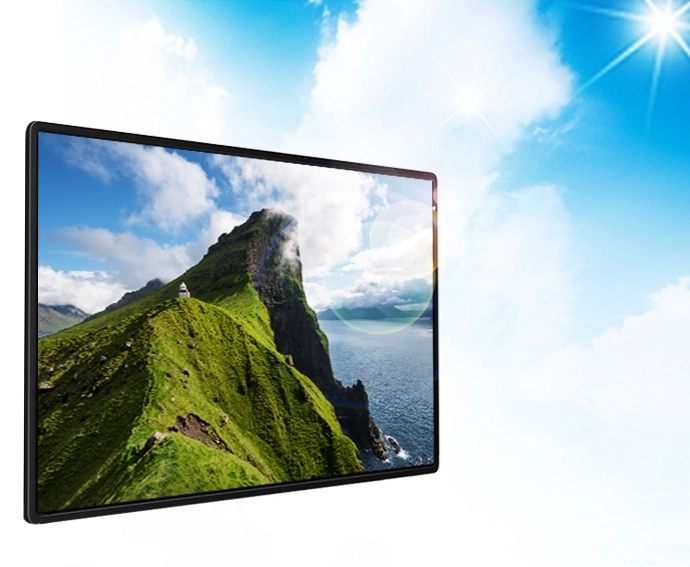
Affichages lisibles à la lumière du soleilLes écrans LCD à haute luminosité sont conçus pour les endroits où la lumière extérieure est très forte, y compris le soleil direct. Ces écrans gardent les choses claires et visibles. Les écrans standard échouent souvent en raison de l'éblouissement et du lavage. Les choses importantes comme le contraste, la luminosité et les manières de gérer les réflexions déterminent à quel point ils fonctionnent à l'extérieur. Cet article examine de près ces facteurs. Il explique comment ils affectent la lisibilité. Un contraste efficace est le principal signe d’une bonne visibilité. Cela dépend de la luminosité de l'écran et de la lumière qui rebondit de l'extérieur. Connaître ces points aide les gens à choisir les bons écrans pour des utilisations difficiles. Parmi les exemples, on peut citer les équipements industriels, la signalisation numérique, les transports et les systèmes maritimes.
Les paramètres les plus importants des écrans LCD extérieurs
Les écrans LCD extérieurs nécessitent une configuration soigneuse dans plusieurs zones pour rester bien sous une lumière vive. Le rapport de contraste est le principal. Il montre la différence entre les taches claires et sombres sur l'écran. La luminosité, mesurée en nits (cd/m²), lutte contre une forte lumière extérieure. Le contrôle de la réflexion utilise des traitements de surface et des méthodes de collage pour réduire l'éblouissement. La tolérance à la température permet à l'écran de fonctionner bien par temps très chaud ou froid. Toutes ces parties fonctionnent ensemble. Ils veillent à ce que le contenu reste lisible sous la lumière du soleil. Les écrans intérieurs normaux deviennent souvent difficiles à voir dans de telles conditions.
Ratio de contraste des écrans LCD extérieurs
Le rapport de contraste mesure la différence de luminosité entre le blanc le plus brillant et le noir le plus foncé sur un écran. Les fiches de données montrent généralement des chiffres allant de 500:1 à 2000:1 pour les écrans LCD TFT industriels. Certains téléviseurs grand public réclament des chiffres beaucoup plus élevés. Mais ces tests se déroulent dans des salles sombres et contrôlées. Dans les environnements extérieurs réels, la lumière extérieure provoque des réflexions. Cela réduit beaucoup le contraste réel.
Le rapport de contraste effectif (ECR) prend en compte les réflexions. Il donne un nombre utile dans le monde réel. En lumière solaire directe (environ 10 000 lux ou plus), l'ECR peut tomber à des niveaux très bas comme 1:2 ou 3:4 sur des écrans sans traitement. Cela rend le contenu difficile à lire. Une bonne lisibilité commence près de 5:1. Puis 10:1 donne des résultats solides. Les niveaux de 15:1 à 20:1 apportent une excellente clarté. Les journaux atteignent environ 20:1 à la lumière du soleil. Cela sert de norme pour une grande lisibilité extérieure. Un contraste élevé sur la fiche de données ne promet pas de bon travail en extérieur. La luminosité et les moyens de couper les réflexions sont très importants pour maintenir une ECR utile.
Comment la lumière solaire affecte la lisibilité des écrans LCD extérieurs
La lumière du soleil dépasse les écrans normaux. Il rebondit des surfaces et ajoute de la lumière aux parties claires et sombres. Prenez un écran avec une luminosité de 400 nits et un contraste de 400:1. Si elle a une réflexion de 4,5% sous la lumière solaire de 10 000 lux, elle ajoute environ 450 nits de lumière rebondie uniformement. Cela réduit l'ECR à environ 2:1. L’écran devient difficile à lire.
L'augmentation de la luminosité lutte contre ce problème. Un écran à 1000 nits augmente assez l'ECR. Couper la réflexion à des niveaux plus bas aide davantage. Par exemple, les revêtements anti-réfléchissants (AR) peuvent réduire à 1-2%. Cela améliore encore les résultats. L'utilisation d'une luminosité plus élevée (800-2500 nits) avec des surfaces à faible réflexion donne un contraste lisible. Il fonctionne même sous une très forte lumière solaire. Ces changements sont le plan principal pour les designs lisibles à la lumière du soleil.
Réflexions – verre de protection, adhésion à l’air et adhésion optique dans les écrans lisibles à la lumière du soleil
Les installations extérieures nécessitent un verre protecteur. Il protège contre les dommages, la poussière et le mauvais temps. La liaison d'air normale entre l'écran et le verre crée plusieurs surfaces air-verre. Cela conduit à des réflexions de 8 à 10% ou plus. Diffusion de lumière. Des chutes de luminosité efficaces. Les images deviennent floues.
Le collage optique remplit l'espace avec un adhésif clair. Il correspond à l'indice de réfraction du verre et du panneau d'affichage. Cela supprime les réflexions intérieures. Il stimule le passage de la lumière. Il améliore également le contraste et la force des couleurs. Les revêtements antiréfléchissants sur le verre extérieur réduisent les réflexions extérieures à 1-2%. La liaison optique réduit également la parallaxe. Il augmente la durabilité en empêchant l'humidité d'entrer. Ces méthodes sont essentielles pour maintenir une haute lisibilité dans les installations extérieures protégées.
Lignes d'affichage TFT LCD haute luminosité
Les fabricants fournissent des lignes LCD TFT spéciales à haute luminosité pour les besoins extérieurs et industriels. Les panneaux IPS modernes offrent de grands angles de vision (jusqu'à 178°). Ils offrent une meilleure précision des couleurs. La luminosité commence à 800-1000 nits. Les options vont jusqu'à 1200-2500 nits. Ils battent les écrans TN plus anciens (habituellement 500-600 nits) en visibilité et en qualité d'image.
En combinaison avec le tactile capacitif (CTP) et la liaison optique, la luminosité effective peut diminuer légèrement en raison de couches supplémentaires (par exemple, une perte d'environ 15% comme estimation sûre). Cependant, il reste suffisant pour la lisibilité à la lumière du soleil. Les matériaux anti-UV et les revêtements AF/AR améliorent encore les choses. Des écrans comme ceux-ci s'adaptent à des utilisations qui nécessitent un travail constant dans des endroits lumineux. Cela comprend les HMI industrielles, les kiosques extérieurs et les interfaces automobiles.
Affichages LCD extérieurs – Températures de fonctionnement et de stockage
Les températures extrêmes testent les performances de l'LCD. Les écrans industriels standard fonctionnent de -20°C à 70°C. Le stockage va de -30°C à 80°C. Les cristaux liquides ont besoin d'une phase nématique pour fonctionner correctement. En dessous de la limite basse, ils deviennent solides. La réponse ralentit. Au-dessus de la limite élevée, ils passent en phase isotrope. Cela provoque un noirissement ou une perte de contrôle.
Les cristaux liquides nématiques à haute température (Hi-Tni) étendent la plage de -40°C à 110°C pour la surface du verre TFT. Cette technologie prend en charge les utilisations extérieures par mauvais temps. Exemples sont les secteurs automobile, maritime et militaire. Pour les modules complets, le contrôle de la température extérieure (comme les ventilateurs ou l'ombrage) maintient les pièces intérieures dans des plages plus sûres (souvent de 0°C à 50°C ou de -20°C à 70°C). L'électronique supplémentaire ne peut pas supporter 110°C. Les designs à grande température arrêtent de noirir au soleil direct. Ils assurent un travail régulier à travers les différentes saisons.
Affichages lisibles à la lumière du soleil nécessitent une attention particulière au contraste, à la luminosité, aux réflexions et à la capacité de gérer la température. Les écrans LCD TFT IPS à haute luminosité avec liaison optique et revêtements AR offrent des performances optimales dans des contextes difficiles.
Questions fréquemment posées (FAQ)
Quelle est la luminosité minimale pour les écrans lisibles au soleil?
Les écrans nécessitent généralement au moins 800-1000 nits pour une bonne lisibilité sous la lumière directe du soleil. Ensuite, 1200-2500 nits donnent d'excellents résultats dans de fortes conditions.
Pourquoi le collage optique est préféré pour les écrans LCD extérieurs?
La liaison optique élimine les espaces d'air. Il coupe les réflexions intérieures. Il améliore le contraste. Cela rend les choses plus longues. Il évite également les problèmes d'humidité.
Comment le rapport de contraste efficace diffère-t-il du contraste de la feuille de données?
Le contraste de la fiche de données provient des tests de chambre sombre. Le contraste efficace tient compte des réflexions réelles et de la lumière extérieure. Il finit souvent beaucoup plus bas à l'extérieur.
Quelles plages de température conviennent à de vrais écrans LCD extérieurs?
Les panneaux Hi-Tni supportent -40°C à 110°C pour le verre. Mais le contrôle du module maintient généralement les niveaux extérieurs à -20°C à 70°C ou près pour un travail stable.
Les écrans à haute luminosité peuvent-ils être personnalisés?
- Oui, oui. Les choix comprennent le réglage de la luminosité, l'intégration tactile, les types de collage, les interfaces (LVDS, MIPI, HDMI) et les revêtements protecteurs.
Partenariat avec un fabricant de confiance pour les solutions lisibles à la lumière solaire
Les fabricants, les fournisseurs et les usines qui recherchent des écrans LCD lisibles en lumière solaire fiables tirent parti du travail avec un fournisseur expérimenté. Affichage Kadi, un fabricant et fournisseur professionnel de TFT LCD basé à Shenzhen, en Chine, avec plus de 20 ans d'expertise, offre des écrans IPS à haute luminosité (800-2500 nits), des liens optiques, des options à grande température et des solutions personnalisées pour les applications industrielles, médicales et extérieures. Certifiée ISO9001, ISO14001, ISO13485 et IATF16949, la société offre des services à guichet unique, y compris l'intégration tactile CTP et un support d'ingénierie robuste. Contactez l'équipe à Sales@sz-kadi.com ou 86-13662585086 pour discuter des exigences du projet et obtenir des devis pour des affichages haute performance sur mesure.