BLOG & NOUVELLES
Accueil
-
Blog & Actualités
-
Qu'est-ce qu'un affichage de qualité médicale? Caractéristiques et avantages

Affichages médicaux agir comme outils vitaux dans le cadre des soins de santé. Là, les médecins et les infirmières comptent sur eux pour des emplois allant de l'imagerie diagnostiche aux contrôles de patients vivants. Dans des endroits tendus comme les hôpitaux et les cliniques, la confiance et l’exactitude restent essentielles. Cela pousse l'utilisation commune d'écrans de qualité médicale. Ceux-ci sont construits pour donner une clarté nette et une lecture facile. Ils répondent également aux besoins difficiles du travail de santé. Ces écrans spéciaux s'adaptent parfaitement aux outils et aux routines médicales. Ainsi, ils réduisent les dangers et augmentent la vitesse totale.
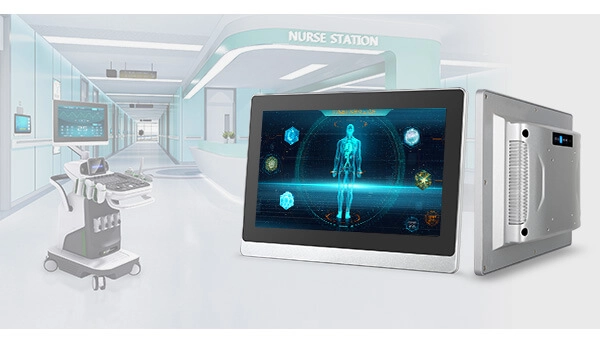
Un écran de qualité médicale se tient comme un panneau pro. Il passe par des étapes strictes de construction et d'approbation. Cela comprend le respect de la norme IEC 60601. Cela le maintient en sécurité pour le contact proche du patient et près de l'équipement médical délicat. Les panneaux de consommation standard manquent ces approbations. Ils peuvent causer des risques de désordre électrique ou de signal. Les types de qualité médicale ajoutent des caractéristiques de sécurité. Ceux-ci comprennent un minuscule courant de fuite et des blocs contre les ondes. Beaucoup ont également des solutions pour les problèmes de santé, tels que des couches antimicrobiennes pour un nettoyage simple. Plus de grands angles de vue pour les contrôles de groupe.
Fabricant comme Affichage Kadi détenir plus de vingt ans de compétence à Shenzhen’ s chaîne d'approvisionnement forte. Ils créent ces panneaux avec la technologie TFT LCD et OLED haut de gamme, ce qui promet de la force dans les spots 24 heures sur 24. Des approbations telles que la norme ISO 13485 pour le contrôle de la qualité des dispositifs médicaux prouvent qu'elles conviennent à l'utilisation clinique.
Les écrans de qualité médicale changent beaucoup en fonction de leurs utilisations prévues dans les lieux de soins de santé. Cela permet des configurations matérielles et logicielles personnalisées. Même si ça ressemble. La gamme promet les meilleurs résultats dans tous les domaines.
Ces écrans sont principalement utilisés dans les unités de radiologie et d'oncologie. L'imagerie haute résolution est essentielle pour détecter de petits signes étranges, comme le cancer du sein précoce dans les mammographies. La correspondance exacte des couleurs et la vérité de l'échelle de gris - souvent jusqu'à 65 536 nuances - aident les radiologues à voir de petits détails dans les rayons X, les tomographies tomographiques et les IRM.
Suivre les normes DICOM maintient l'affichage d'image stable à travers les outils. De plus, la construction sans métal permet de travailler en toute sécurité près des machines d'IRM. Cela arrête le désordre. Les modules LCD TFT réglables de Kadi Display sont disponibles dans des tailles allant de 7 à 21,5 pouces. Ils comprennent le réglage DICOM et les niveaux de lumière vive. Cela les rend parfaits pour les tâches de diagnostic difficiles.
Dans les salles d'opération, les écrans chirurgicaux offrent des vues zoomées et claires en haute définition. Ceux-ci se révèlent essentiels pour des tâches comme les endoscopies ou les chirurgies de petite taille. Là, la vue des petites pièces reste vitale. Ces panneaux ont des tops anti-éblouissement et une lumière forte pour combattre les lampes de pièce lumineuses. Ils assurent une vue claire même avec des éclairs. Des rapports de forme larges et des liens multi-écrans lisses aident les chirurgies de l'équipe.
Kadi Display fournit des écrans chirurgicaux robustes et IP avec des liens HDMI. Ceux-ci sont fabriqués pour un ajustement facile dans les configurations OR. Et ils ont l'approbation pour le match de vague.
Les affichages de signes vitaux montrent des données en direct telles que la fréquence cardiaque, la pression artérielle et les niveaux d'oxygène. Ils ont besoin de vues nettes et en grandes lettres pour un look rapide. Ces unités se concentrent sur des taux de rafraîchissement rapides pour suivre correctement les changements. Ils sont directement reliés aux outils de chevet pour les changements de dossiers de santé électroniques. Sans ventilateur construit couper le bruit dans les zones calmes des patients.
En tant que fournisseur de premier plan, Kadi Display propose des modèles adaptés à la batterie avec écrans tactiles. Cela stimule le mouvement pour les notes de soins.
Communes dans la cardiologie, la pathologie et les services généraux, les écrans d'examen clinique gèrent l'affichage régulier des cartes des patients, des vagues et des images supplémentaires. Ils mélangent coût avec bonne qualité. Ils offrent une échelle de gris DICOM-fit sans prix unitaire de diagnostic complet. Ces panneaux soutiennent des liens multi-entrées pour les systèmes PACS.
Les options de mélange industriel-médical de Kadi Display offrent des panneaux fiables et à haut contraste. Ceux-ci continuent à régler sur une longue utilisation. Ils soutiennent un flux en douceur dans les contrôles non diagnostics.
Les systèmes WoW permettent l'informatique mobile pour les infirmières et les médecins. Ils déplacent de pièce en pièce avec des écrans intégrés qui gèrent les secoussements et les bosses. Les boîtiers résistants et les montures anti-chocs maintiennent l'image stable en déplacement. Touch fonctionne avec l'utilisation de gants.
Les écrans WoW-fit directs d'usine de Kadi Display sont légers mais robustes. Ils offrent des choix de port anciens pour se lier à des équipements hôpitaux plus anciens.
Ces unités portables fonctionnent comme écrans et points d'alimentation pour les clients minces sur les chariots. Ils disposent de batteries à échange rapide pour un travail sans arrêt 24 heures sur 24, 7 jours sur 7. Parfait pour les endroits éloignés ou à faible consommation. Ils donnent des liens tactiles haute résolution.
Les modèles rechargeables de Kadi Display sont livrés avec une longue durée de vie de la batterie et une charge USB-C. Ils correspondent aux soins de santé modernes’ S pousser pour la flexibilité.
Les écrans de qualité médicale brillent avec leur conception spéciale. Ils gèrent les souches spéciales des points de soins de santé bien au-delà de ce que les choix des consommateurs peuvent faire.
L'approbation selon la norme IEC 60601 promet de petits dangers d'alimentation. Cela arrête les chocs ou les ruptures de l'outil près de paceManufacturer. Les tops anti-germe et les bâtiments scellés réduisent encore les risques de propagation de l'infection.
Le réglage avancé donne une meilleure lumière, un meilleur contraste et une meilleure vérité des couleurs. Certains modèles atteignent une luminosité de 450 cd/m² et des rapports de contraste de 1000:1. Cette exactitude aide à des lectures correctes. Il réduit les erreurs de diagnostic.
L'adhésion à DICOM (ISO 12052) permet une représentation uniforme de l'image à travers les systèmes. Cela facilite le travail dans les paramètres multi-fabricant. L'approbation ISO 13485 du fabricant comme Kadi Display met en évidence la qualité de la montre dans la fabrication.
Construits avec des pièces de niveau industriel, ces écrans durent un travail constant. Ils se vantent de taux MTBF de plus de 50 000 heures. Le refroidissement sans ventilateur et les boîtiers robustes réduisent les arrêts dans les endroits toujours actifs.
Les boîtiers IP65 luttent contre les liquides et les produits chimiques. Cela facilite les étapes clés propres dans le contrôle des infections.
Les choix d'achat pour les écrans de qualité médicale reposent sur de nombreux points pour répondre aux besoins du travail.
Choix de guide pour les besoins spécifiques à l'utilisation: Les unités de diagnostic veulent l'exactitude de l'échelle de gris. Les modèles chirurgicaux se concentrent sur la lutte contre l'éblouissement. Différences de zone, de radiologie’ s résolution 5MP besoin de wards’ Focus de lecture, choix de leads.
Budget : Les unités de qualité médicale coûtent plus à l'avance, mais donnent un meilleur retour sur investissement avec une durée de vie plus longue, souvent de 5 à 7 ans contre 2 à 3 pour les modèles de consommation. Les caractéristiques personnalisées, comme l'ajustement par IRM, peuvent augmenter les prix mais augmenter la convivialité.
Compatibilité avec les anciens systèmes : Les écrans avec ports VGA, DVI ou RS-232 assurent des liaisons fluides sans mises à niveau majeures.
Support du vendeur : Les OEM offrent une personnalisation plus approfondie, une flexibilité de consultation et des mises à jour directes du firmware.
Kadi Display, une usine et un fournisseur basé à Shenzhen, fournit des solutions complètes, des premiers modèles à la production en grand volume. Soutenu par 10 000 ㎡ site et service à plus de 2 000 clients mondiaux.
Les fournisseurs de soins de santé comptent de plus en plus sur des écrans pour les dossiers de santé électroniques et les procédures complexes. Une mauvaise visualisation peut conduire à des erreurs. Les écrans de qualité médicale répondent à ces besoins avec une construction spécialisée pour une imagerie claire dans des environnements exigeants.
Kadi Display, un grand fabricant et fournisseur d'écrans de qualité médicale, propose des solutions approuvées selon les normes ISO 13485 et IEC 60601. Grâce à son expertise dans les technologies TFT LCD et tactile, le cabinet réalise plus de 100 projets sur mesure chaque année. Cela garantit une adaptation à des applications variées tout en maintenant les taux de défaillance en dessous des normes de l'industrie, grâce à des tests AOI rigoureux et à une gestion efficace de la chaîne d'approvisionnement.
Q: Quelles certifications devraient avoir les écrans de qualité médicale?
A: Les affichages de qualité médicale doivent suivre norme IEC 60601 pour la sécurité électrique et IEC 60601-1-2 pour la compatibilité électromagnétique. Des normes supplémentaires incluent DICOM pour la cohérence de l'image et norme ISO 13485 pour le contrôle de qualité des dispositifs médicaux.
Q: Comment les écrans de qualité médicale diffèrent-ils des écrans de consommation?
A: Les écrans de consommation se concentrent sur l'apparence et le faible coût. Ils manquent d'homologations de sécurité, d'étalonnage précis et de durabilité 24 heures sur 24, 7 jours sur 7. Les écrans de qualité médicale disposent de conceptions scellées et résistantes aux germes et de conformité DICOM.
Q: Tous les écrans de qualité médicale conviennent-ils à l'imagerie de diagnostic?
R: Non. Seuls les modèles avec une échelle de gris élevée et un réglage DICOM sont admissibles au diagnostic primaire. L'examen clinique montre le travail pour la visualisation secondaire, mais peut ne pas répondre aux exigences de précision radiologique.
Q: Quelles tailles sont disponibles pour les écrans de qualité médicale?
R: Les tailles vont de 15,6 pouces pour les unités portables à 32 pouces pour les configurations de stations de travail. Kadi Display offre des tailles personnalisées de 7 à 21,5 pouces.
Q: À quelle fréquence les écrans de qualité médicale doivent-ils être calibrés?
R: L'étalonnage annuel est recommandé, avec des contrôles trimestriels dans les zones à forte utilisation pour maintenir la conformité DICOM et la précision de l'image.
Les fournisseurs de soins de santé à la recherche d'écrans fiables et personnalisés de qualité médicale peuvent s'associer avec Affichage Kadi, un OEM basé à Shenzhen et un fournisseur mondial. La société propose des solutions complètes, de la conception de prototypes à la production en masse, sans commande minimale pour des projets sur mesure. Grâce à 20 ans d'expérience, à un contrôle de qualité certifié ISO et à une chaîne d'approvisionnement rapide, Kadi Display permet l'intégration d'écrans de haute qualité conformes aux normes DICOM dans les flux de travail cliniques.
Contactez l'équipe Kadi Display pour des consultations, des devis ou des démonstrations de produits afin d'améliorer la précision du diagnostic et l'efficacité opérationnelle dans les milieux de soins de santé. Visite www.kadidisplay.com ou email Sales@sz-kadi.com pour les enquêtes.