
Casa
-
Blog & Notizie
-
Interfacce display MIPI: Boost TFT LCD per Raspberry Pi e sistemi embedded 2026
Interfacce display MIPI: Boost TFT LCD per Raspberry Pi e sistemi embedded 2026
2026-05-15
00:00
Introduzione
Il mondo dei display integrati sta vivendo un grande cambiamento. Le industrie si stanno orientando verso configurazioni più intelligenti, più piccole e a basso consumo energetico. La vecchia regola delle connessioni RGB e HDMI parallele sta svanendo. Al loro posto arriva Interfaccia seriale di visualizzazione MIPI (DSI)Questo cambiamento va oltre la semplice maggiore velocità. Si concentra anche sul potenziale di crescita e sul rispetto dell'ambiente.
Il 2026 sembra destinato a segnare l'inizio dell'era MIPI per la progettazione industriale. Ciò vale soprattutto per la produzione intelligente e l'edge computing, dove ogni grammo di energia e ogni spazio a disposizione sono cruciali. I vecchi collegamenti come LVDS e HDMI hanno raggiunto i loro limiti in termini di flusso di dati e ingombro ridotto. Gli esperti ritengono che MIPI DSI offra un collegamento diretto alla GPU, riducendo la dispersione di energia dovuta agli switch e, soprattutto, i consumi energetici.
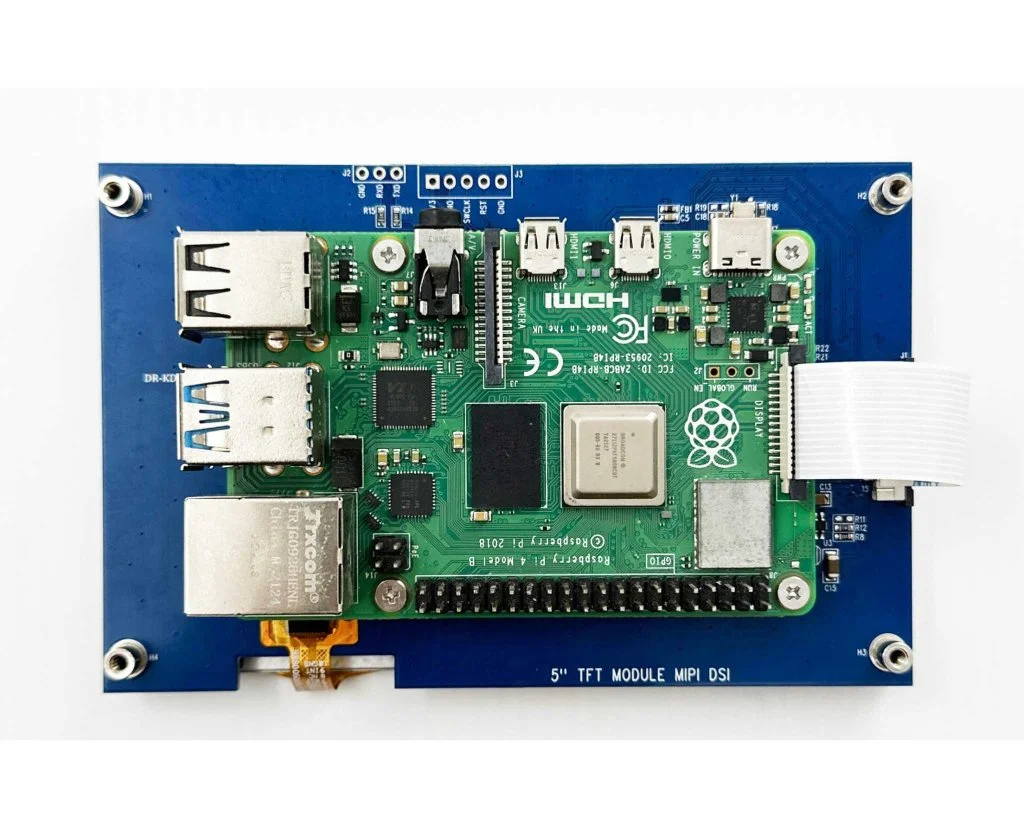
La porta MIPI DSI del Raspberry Pi funge da collegamento seriale veloce. Collega direttamente gli schermi LCD alla GPU del Pi. Questa configurazione invia le informazioni di visualizzazione con un consumo energetico minimo. Si adatta perfettamente a schermi compatti e nitidi, ideali per sistemi integrati di lavoro e touch. Ora, questa idea si sta diffondendo dalle schede per uso amatoriale ai grandi sistemi industriali con schermi TFT LCD. Ciò dimostra che il collegamento, un tempo utilizzato solo negli smartphone, è diventato uno standard di lavoro.
Principali vantaggi di MIPI DSI per i display LCD TFT industriali
Il LCD TFT industriale Il settore richiede sempre un lavoro costante, una visione chiara e una lunga durata. L'aggiunta di MIPI DSI offre vantaggi concreti. Questi risolvono direttamente le esigenze fondamentali.
Trasmissione ad alta velocità e bassa potenza
I segnali accoppiati MIPI gestiscono molti gigabit al secondo, mantenendo al contempo un basso consumo energetico. A differenza di LVDS o HDMI, che richiedono tensioni più elevate e apparecchiature aggiuntive per le modifiche, MIPI invia i dati compressi direttamente dal SoC o dalla GPU. Di conseguenza, gli schermi si aggiornano più rapidamente e si genera meno calore. Questo è un aspetto fondamentale per i pannelli che funzionano ininterrottamente negli impianti di produzione.
Efficienza dello spazio
Oggi i case integrati diventano sempre più piccoli. Pensate agli strumenti tenuti in mano per i controlli o agli schermi intelligenti delle fabbriche. Ogni centimetro di spazio conta. Il passaggio verso Connettori FPC ultrasottili a 15 e 22 pin Consente agli ingegneri di integrare pannelli da 5 a 15 pollici in modo impeccabile in contenitori compatti, senza bisogno di cavi o connettori ingombranti.
Riduzione delle interferenze elettromagnetiche
Luoghi come fabbriche, cliniche e zone di transito sono pervasi da interferenze elettriche. I segnali a bassa tensione di MIPI riducono le emissioni elettromagnetiche in misura molto maggiore rispetto alle vecchie linee parallele. Ciò si traduce in segnali più nitidi, minori requisiti di schermatura e una migliore conformità agli standard EMC globali, elementi fondamentali per i dispositivi industriali certificati.
| Caratteristiche | MIPI DSI | HDMI/LVDS |
| Consumo di energia | Basso (segnalazione inferiore a 1V) | Da moderato ad alto |
| Dimensioni del connettore | Compatto (15–22 pin) | Grande (oltre 40 pin) |
| Prestazioni EMI | Eccellente | Moderato |
| Caso d'uso tipico | Sistemi embedded e mobili | Espositori per consumatori |
Prototipazione con Raspberry Pi: oltre il limite ufficiale dei 7 pollici
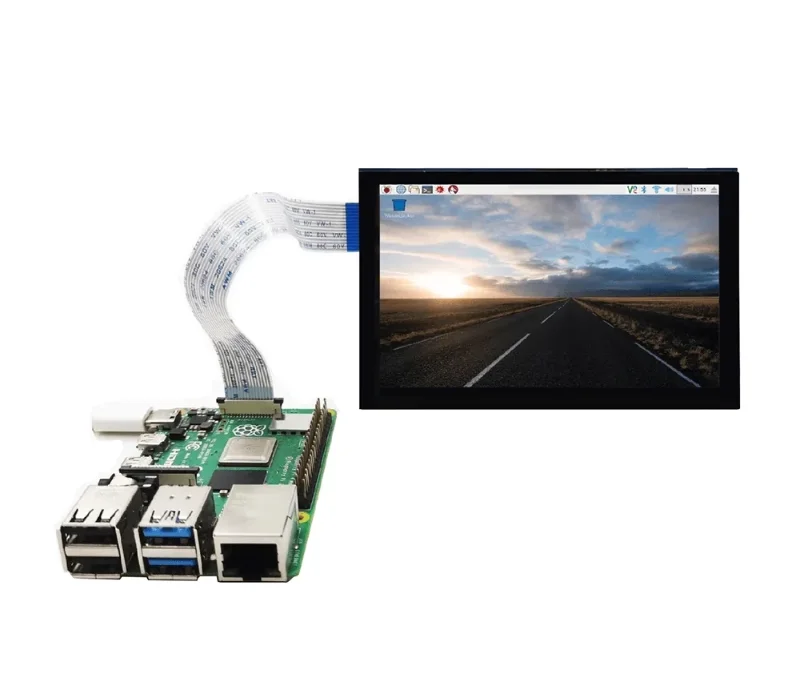
Per molti anni, i produttori su Raspberry Pi bloccato con l'aggiunta standard dello schermo da 7 pollici. Le cose sono cambiate ora. Il Raspberry Pi 5 Offre opzioni MIPI DSI a doppia e quadrupla corsia. In questo modo, i progettisti possono effettuare test con schermi più grandi. Anche le configurazioni con due schermi sono adatte per interfacce uomo-macchina sofisticate o comandi da cruscotto.
Questo passaggio collega progetti divertenti a test di livello professionale. Si può iniziare con una base Raspberry Pi, per poi passare a schede personalizzate con chip NXP o ST. Non è necessario riscrivere completamente il software dello schermo.
Dal lato software, le nuove configurazioni Linux nel 2026 gestiscono Sovrapposizioni dell'albero dei dispositivi e strumenti KMS/DRM pronti all'uso per schermi MIPI. La configurazione è più semplice. La vera connessione semplificata funziona con diversi tipi di hardware.
Kadi Display Solutions: Integrazione personalizzata per pannelli da 5 a 15 pollici
Display Kadi guida questo cambiamento. Offrono moduli TFT MIPI personalizzati Realizzato appositamente per le impostazioni predefinite.
Prodotto in evidenza
-
5 pollici (800×480) – Dimensioni ridotte, perfette per trasportare gli attrezzi
-
7 pollici (1024×600) – Dimensioni medie ideali per le schede di controllo
-
10,1 pollici (1280×800) – Un'ottima scelta per i controlli in loco
-
15.6-inch (1920×1080) – Nitidezza Full HD per le immagini di controllo delle piante
Ogni unità garantisce un funzionamento continuo anche in ambienti difficili. I connettori resistono alle vibrazioni. Le temperature si mantengono in un ampio intervallo. La retroilluminazione dura oltre 50.000 ore.
Il vantaggio della personalizzazione
Kadi Display offre configurazioni FPC compatibili. Queste funzionano con schede Raspberry Pi e SoC professionali come NXP i.MX8 o STM32MP1. Gli sviluppatori possono richiedere configurazioni di alimentazione della retroilluminazione o controlli touch personalizzati in base alle proprie esigenze.
Caso di studio
Una nuova installazione ha utilizzato un Schermo MIPI ad alta luminosità da 10,1 pollici in uno strumento di controllo portatile per officine meccaniche. La nuova versione pesava meno. Emetteva meno calore rispetto alla vecchia versione LVDS. Ciononostante, manteneva una visione nitida anche sotto il sole con una luminosità superiore a 1000 nit.
Tendenze del settore embedded per il 2026: l'ascesa delle interfacce uomo-macchina intelligenti
L'intelligenza artificiale applicata ai dispositivi periferici si unisce ai display. Questo cambia il ruolo degli schermi nei sistemi integrati.
Integrazione dell'IA edge
Gli schermi non si limitano più a mostrare i risultati. Si trasformano in punti di visualizzazione in tempo reale dei dati provenienti da potenziatori di intelligenza artificiale come Google Coral o le unità NVIDIA Jetson integrate direttamente nel dispositivo.
Legame ottico e durata
Gli standard costruttivi si stanno evolvendo verso la certificazione IP65. Questi dispositivi utilizzano metodi di incollaggio leggeri, che migliorano la nitidezza dell'immagine e riducono i riflessi interni della luce. Ciò è fondamentale per supporti esterni o basi di appoggio robuste.
Sostenibilità nei display
Le modalità a basso consumo energetico integrate in MIPI DSI aiutano IoT verde obiettivi diretti. Riducono la potenza totale del sistema senza perdere velocità. Questo diventa una misura importante. Le regole ESG influenzano sempre di più la pianificazione.
Conclusione
La scelta dell'interfaccia giusta determina per quanto tempo il tuo hardware rimarrà rilevante in un ecosistema di tecnologie embedded in continua evoluzione. MIPI DSI non è solo più veloce; è fondamentalmente più adattabile a design compatti e operazioni a basso consumo energetico che dominano i requisiti dell'ingegneria moderna.
Per i team che pianificano la roadmap dei loro prodotti per il 2026, scegliere un partner come Kadi Display significa accesso a un supporto tecnico specializzato e a una vasta gamma di soluzioni affidabili. LCD TFT industriale Moduli da 5 a 15 pollici, tutti ottimizzati per una perfetta integrazione con Raspberry Pi o sistemi embedded personalizzati.
Domande frequenti
D1: I display Kadi MIPI supportano l'uscita dual-DSI sul Raspberry Pi 5?
R: Sì, i nostri moduli più recenti da 5 a 10,1 pollici sono pienamente compatibili con l'architettura DSI aggiornata del Raspberry Pi 5, consentendo configurazioni a doppio schermo ad alta risoluzione utilizzando cavi adattatori standard.
D2: Come gestisce MIPI DSI la latenza video rispetto a HDMI nelle applicazioni industriali?
A: MIPI DSI offre un percorso dati più diretto dalla GPU al pannello rispetto all'HDMI, riducendo la latenza poiché evita i chip di interfaccia aggiuntivi comuni nelle conversioni embedded.
D3: Qual è la lunghezza massima del cavo consigliata per una trasmissione stabile del segnale su schermi di grandi dimensioni?
A: Per la maggior parte delle configurazioni fino a 15 pollici, è possibile mantenere prestazioni stabili su FPC schermati fino a circa 20-30 cm; oltre tale distanza potrebbero essere necessarie soluzioni di collegamento specializzate.
D4: I moduli di Kadi Display necessitano di driver Linux specifici?
A: I nostri pannelli utilizzano circuiti integrati driver standard del settore, supportati dai kernel Linux principali; i codici di inizializzazione e i frammenti del Device Tree sono forniti, quindi la configurazione è semplice su sistemi basati su Raspbian o Yocto.
D5: Qual è il confronto tra il consumo energetico di un display TFT LCD con connessione MIPI e quello di un modello LVDS?
R: In genere si registra una riduzione dei consumi del 20-30% grazie ai livelli di segnalazione a tensione inferiore intrinseci all'architettura MIPI, ideale per la progettazione di dispositivi alimentati a batteria o con vincoli termici.
PREVIDENTE
Display LCD TFT a barra allungata per cruscotti e interfacce uomo-macchina industriali.
Prossimo
Display TFT LCD: Guida essenziale per l'uso industriale e medicale nel 2026
Lascia un commento

Ultimi Blog & Notizie
- Native MIPI DSI vs LVDS or HDMI Bridge: An OEM Display Architecture Decision Guide
- MIPI DSI Display Driver Development for Embedded Linux What Hardware Buyers Need to Confirm
- Display Interface Bridge Conversion Limits: What a Bridge IC Can and Cannot Change
- Why LCD Screens Go Black Through Polarized Sunglasses and How to Prevent It
- How to Diagnose an LCD That Is Slow Flickers or Fails to Start in the Cold
Blog & Notizie correlate
-
 TN contro IPS2024-7-9
 -
TN contro IPS2024-7-9