Guide de Display LCD de Barra Estrada: Costo, Instalação e Benefícios-chave
2026-01-22
11:50
Nos últimos anos, o mercado mundial para display LCD de barra estirada cresceu muito. Esse forte aumento vem de mudanças digitais em retalho, transporte e sistemas inteligentes. Essas telas muito amplas dão formas novas de mostrar informação em pontos estreitos. Eles vencem exibições regulares em flexibilidade e interesse dos usuários.
O que é uma barra estirada LCD Display?
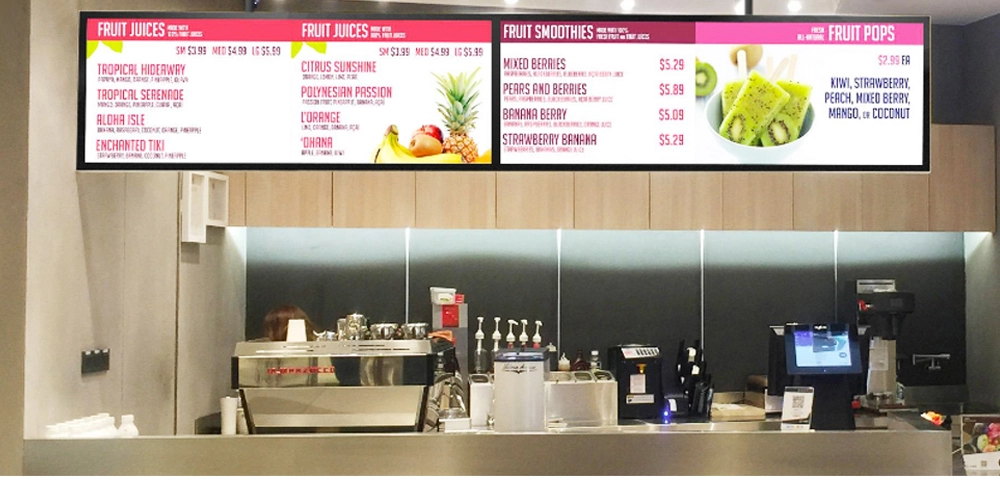
Display LCD de barra estiradatambém conhecidos como bar-tipo ou LCDs ultra-amplos, têm long as relações de aspecto. Eles frequentemente vão de 16:3 a 32:9 ou ainda mais largos. Então eles funcionam bem em pontos finos ou horizontales onde as telas normais 16:9 não se encaixam facilmente. Os ecrãos usam painéis de vidro cortados especialmente. Eles também têm iluminação LED moderna que dá níveis de brilho geralmente de 300 a 1000 nits. Além disso, eles vêm com fortes edifícios que frequentemente sustentam um uso amplo de temperatura e um grande poder duradouro.
As tecnologias principais incluem interfaces de LVDS para transfer ência de dados constante. Existe um toque capacitivo opcional (CTP). Alguns também têm revestimentos anti-brilho ou anti-impressões digitais. No in ício, as pessoas as usavam muito no transporte para sinais. Agora os LCD de barras esticadas estão bem no retalho por conteúdo vivo. Eles crescem junto com mudanças de IoT e automatização.
Tamanhos chave: Opções populares no mercado
Tamanhos comuns misturam bem a utilidade e o preço:
-
8,8″ para 12,3 : Resoluções como 1280×320 ou 1920×720 funcionam muito bem para pequenos usos como painéis automobilísticos ou pequenos kiosks. Price range: $150-600 depending on brightness and touch.
-
15,0″ : 1920×720 corresponde às necessidades industriais ou de casa inteligente. Muitas vezes vem com alto brilho (até 1000 nits).
-
19,0″ para 28,0″ : 1920×360 ou tamanhos semelhantes são comuns para áreas de transporte e sinais maiores. Ranha de preços: 400 a 900 dólares.
-
29,0″ para 37,0″ : 1920×540 se adapta a grandes configurações como paredes de vídeo ou telas públicas.
Esses tamanhos lideram o mercado. Eles têm boas relações de aspecto, fornecimento fácil dos fabricantes, e instalações de montagem padrão.
Aplicações através das indústrias: Onde a barra estirada mostra Excel
Retail & Supermercados
Os LCD de barras estiradas atuam como exibições de bordo de prateleira. Eles substituem etiquetas fixas por preços vivos, negócios e informações de produtos ligadas aos sistemas de ações. No final do corredor, modelos de 28 polegadas mostram mapas, sugestões ou itens estacionais. Isso levanta rapidamente compras com fotos brilhantes e em movimento.
Hospitalidade e Serviço Alimentar
Em caf és e restaurantes, uma barra de 28 polegadas funciona como painéis de menu para especialidades diárias ou mudanças de ofertas. Os hotéis os colocam em elevadores para mostrar tempos, tempo ou anúncios. Os lugares de condução os usam para menús claros e claros. Isso corta erros e acelera as ordens.
Transporte e Espaços Públicos
Portas de aeroporto, estações de metro e plataformas de metro usam LCDs de 28 polegadas ou maiores para informações ao vivo sobre chegadas, partidas, tarifas e avisos. Suas formas finas encaixam em pequenas áreas como contadores de bilhetes ou lados da plataforma.
Corporate & Espaços de escritório
As salas de conferências usam mostras de bar para horas e horas abertas. Lobbies têm configurações multipainéis para shows de marcas suaves ultra-amplos ou paredes de informação.
Industrial & Outros setores
Interfaces automóveis, IC de fabricação inteligente e ferramentas médicas ganham de modelos de alta brilho e ampla temperatura (por exemplo, -20°C a 70°C).
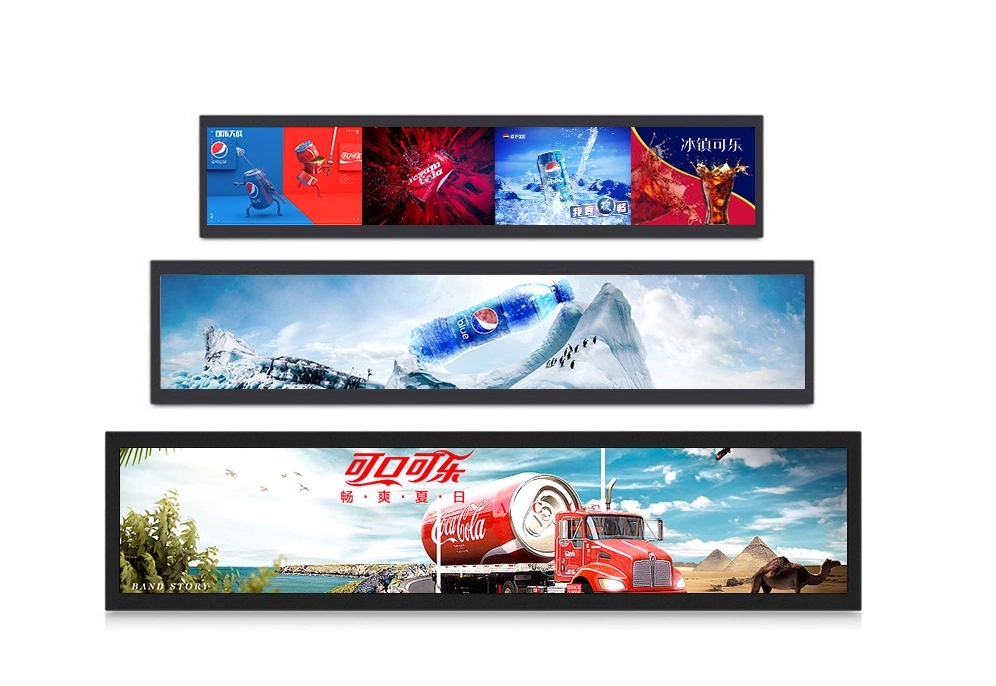
Preços: compreender os custos para as visualizações LCD de barras estiradas
Mudança dos custos baseada em especificações:
-
Nivel de entrada (tamanhos menores, brilho padrão): $150-500.
-
Media distância (brilho alto 700-1000 nits, ativado com toque): $400-900.
-
Prêmio (tamanhos maiores, interfaces de luz solar, personalizadas): $900.
Os principais fatores que aumentam o custo incluem brilho (mais fios para lugares de fora ou brilho), função de toque, intervalo de temperatura e extras como revestimentos de AF ou PCBA incorporados. - Comprar grandes quantidades de fabricantes baixa o custo por unidade.
Instalação e - Desenvolvimento: Flexibilidade no seu núcleo
As escolhas de instalação melhoram o quão fácil elas são de usar:
-
Montada em prateleira com parénteses de clamp para configuração de retalho.
-
Muro ou teto pendurados através de bezelas finas para colocação plana ou pendurada.
-
Permanecer livre significa eventos ou uso a curto prazo.
A conectividade cobre LVDS (habitual para módulos), HDMI opcional, Wi-Fi/Ethernet para mudanças remotas de CMS e USB/I ²C para toque. ferramentas de conteúdo baseadas na nuvem permitem atualizações rápidas através de redes. Isso ajuda grandes instalações a crescer facilmente.
Características chave
-
Alta resolução para texto claro e multimídia.
-
Durabilidade com ângulos de visão amplos (até 178°), iluminação LED de poupança de energia e forte proteção contra o ambiente.
-
Versatilidade no suporte da mídia: vídeos, imagens, texto em desplazamento.
-
Agilidade de conteúdo através de atualizações remotas.
LCD de barra vs LCD padrão vs LED
|
Característica |
LCD da barra |
LCD padrão |
LED |
|
Proporcão Aspecto |
Grande (por exemplo, 16:3) |
16:9 |
Personalizado |
|
Ángulo de Visualização |
Até 178° |
160°–178° |
140°–160° |
|
Brilhança |
Até 1000 nits |
300-700 nits |
Até 8000 nits |
|
Melhor Uso |
Espaços estreitos, sinalização |
Monitores gerais/TVs |
Cartões externos |
Os LCD de barras se destacam em espaços estreitos. Eles oferecem vistas melhores e acertas.
Escolha as soluções LCD do Kadi Display
Kadi Display, um fabricante profissional e fornecedor baseado em Shenzhen com mais de 20 anos de experiência, especializa-se em display LCD de alta qualidade de bar esticado tipo TFT. A empresa oferece soluções personalizadas incluindo modelos como 8,8″ , 12.3″ , 15,0″ , 28″ , e tamanhos maiores, com características como alto brilho (até 1000 nits), opções capacitivas de toque, interfaces LVDS e amplas gamas de temperaturas. Certificado sob ISO9001, ISO14001, ISO13485 e IATF16949, Kadi Display fornece serviços de unistop desde protótipo rápido para produção escalável em 10.000 ㎡ instalações, servindo setores industriais, de retalho, automobilísticos e médicos.
FAQ
Quais são as razões típicas de aspecto para os exibidores de LCD em barras estendidas?
As relações comuns incluem 16:3, 32:9, ou formatos ultra-amplos personalizados como 1920×360 ou 1920×720, adaptados às necessidades específicas de instalação.
Quanto custa a imagem de LCD em barras estiradas?
Os preços variam de 150 dólares para modelos menores de nível de entrada para mais de 900 dólares para versões primárias de alto brilho ou de toque, influenciadas pelo tamanho, brilho e características personalizadas.
Quais indústrias beneficiam mais dos LCD de tipo bar?
Retail for shelf-edge and menu applications, transport for signage, hospitality for dynamic boards, and industrial/automotive for HMIs.
Os LCDs de barra estirada são personalizados?
Sim, as opções incluem tamanho, resolução, brilho, integração do toque, interfaces e avaliações ambientais dos fabricantes.
Qual é a diferença entre LCD de barra e LCD padrão?
Os LCD de barras oferecem proporções de aspecto prolongadas para espaços estreitos, maior adaptabilidade e, muitas vezes, painéis mais brilhantes em comparação com os LCD padrão 16:9.
parceiro com um fabricante e fornecedor confiável
Kadi Display é um fabricante de exibição profissional de Shenzhen. Kadi Display foca em fornecer uma solução industrial e médica confiável para os clientes.
Para empresas buscando mostras confiáveis de LCD em barras estendidas, contato Kadi Display como um principal fabricante, fornecedor e fábrica em Shenzhen. Reaccione através de email sales@sz-kadi.com ou telefonar em 86-13662585086 para discutir soluções personalizadas, pedir citações, ou explorar opções OEM/ODM. A equipe fornece orientação especializada para exibições de tipo de bar adaptadas para satisfazer requisitos específicos de projeto.
PRIVENTE
Visualizações Lidáveis à Luz do Sol – os Parâmetros mais importantes de Visualizações LCD de Luz Externa que você precisa saber
NEXTO
Guía de seleção de 7 polegadas LCD: 800×480 para FHD [UNK] display DSI RGB/LVDS/MIPI [UNK] Kadi
Deixe um comentário

Recent Blog & News
- How to Choose High Brightness LCD Displays for Outdoor Applications
- How to Choose the Best Industrial TFT LCD for Your Embedded Device
- IPS vs Outros painéis Como Selecionar Interfaces de Visualização para LCD TFT Embedded e Industrial
- Display MIPI DSI de 7 polegadas: Top Specifications and Best Choices in 2026
- Temperatura larga TFT mostra para aplicações industriais