Casa
-
Blog & Notizie
-
Display LCD TFT leggibili alla luce del sole: essenziali per veicoli da esterno e per l'agricoltura.
Display LCD TFT leggibili alla luce del sole: essenziali per veicoli da esterno e per l'agricoltura.
2026-04-27
00:00
L'evoluzione della tecnologia per la pubblicità esterna nel 2026
Il settore della tecnologia per display esterni è in rapida evoluzione. Veicoli, macchinari agricoli e impianti industriali sono sempre più interconnessi, il che aumenta la necessità di schermi che funzionino bene anche in piena luce solare. I display più datati spesso faticano a funzionare correttamente in luoghi soleggiati a causa del riflesso e dello sbiadimento. I conducenti di trattori o gli utenti di golf cart, ad esempio, trovano difficile leggere le informazioni sui normali schermi quando il sole li colpisce direttamente. Questo comporta una perdita di tempo e seri problemi di sicurezza.
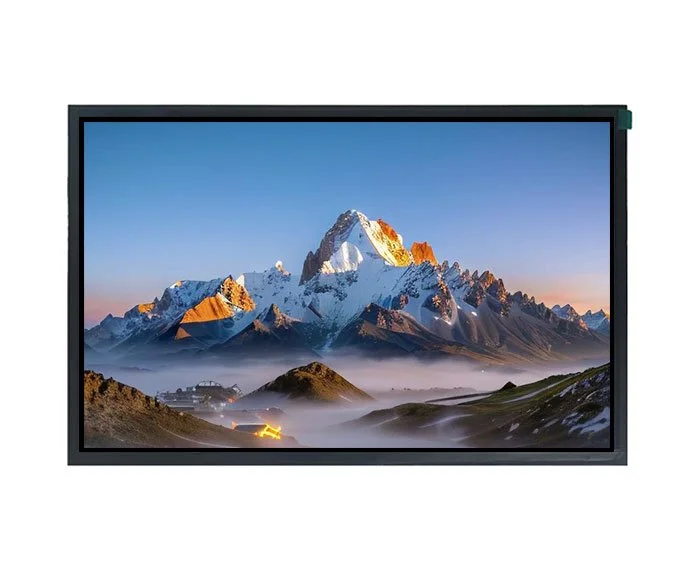
I produttori ora puntano LCD TFT leggibili alla luce del sole Progettato appositamente per condizioni di luce difficili. In parole semplici, un display è considerato "leggibile alla luce del sole" se la sua luminosità supera gli 800-1000 nit. Schermi così luminosi mantengono le informazioni chiare in qualsiasi condizione di luce, soprattutto in ambienti esterni difficili. Entro il 2026, questo livello di luminosità diventerà un requisito imprescindibile per i veicoli da esterno e le macchine agricole intelligenti.
Il passaggio ai comandi digitali nei veicoli fuoristrada e nelle attrezzature agricole di precisione evidenzia questo cambiamento. I trattori intelligenti ora combinano la guida automatica GPS con i controlli delle colture tramite intelligenza artificiale. I display diventano punti di comando chiave, non più semplici schermi informativi.
Perché i display LCD TFT ad alta luminosità sono imprescindibili per l'uso esterno
La sicurezza prima di tutto
Nei veicoli utilizzati all'aperto come i golf cart o i quad da lavoro, la sicurezza dipende da una visuale nitida. Il riflesso della luce solare sugli schermi costringe gli operatori a distogliere lo sguardo dalla strada per ripararsi dalla luce con le mani. Questo distrae l'attenzione e aumenta i rischi. display ad alta luminosità per veicoli esterni Risolve quel problema. Mantiene il testo facilmente leggibile anche sotto la luce diretta del sole.
Efficienza operativa
Gli agricoltori che utilizzano sistemi di irrigazione digitali o dispositivi di monitoraggio della resa delle colture non possono interrompere il lavoro per consultare i dati. Hanno bisogno di visualizzare gli aggiornamenti immediatamente per poter prendere decisioni rapide. Un display TFT LCD leggibile alla luce del sole consente loro di controllare parametri come l'umidità del terreno o il livello del carburante senza fermarsi. Questo è fondamentale nei frenetici periodi di raccolta, quando ogni istante conta.
Tendenze dell'interfaccia uomo-macchina (HMI)
Entro il 2026, le configurazioni HMI tenderanno verso sistemi intelligenti che integrano le informazioni dei sensori con suggerimenti basati sull'intelligenza artificiale direttamente sullo schermo. Questi pannelli visivi necessitano di dettagli nitidi e colori fedeli per consentire scelte accurate. Il display LCD IPS TFT Offre un angolo di visione fino a 178 gradi. Pertanto, l'immagine mantiene un'ottima fedeltà cromatica e nitidezza da quasi ogni angolazione. Questa ampia visibilità garantisce che più operatori possano visualizzare simultaneamente gli stessi dati da diverse posizioni intorno a grandi macchine agricole.
Tecnologie chiave che consentono una leggibilità ottimale alla luce del sole.
Retroilluminazione ad alta luminosità
La base di qualsiasi pannello LCD ad alta luminosità di livello industriale La sua caratteristica principale è la configurazione della retroilluminazione. Molti di questi schermi luminosi raggiungono oltre 800 cd/m². Alcuni arrivano addirittura a 2500 cd/m². Queste configurazioni a LED sono progettate per fornire una luce uniforme su tutta la superficie, evitando punti di luce eccessiva o sfarfallii. Quando si parla di luminosità dello schermo, i nit giocano un ruolo fondamentale. Ad esempio, i pannelli di alta qualità utilizzati per applicazioni esterne spesso superano i 1500 nit, un valore ben superiore a quello dei dispositivi di uso quotidiano.
| Applicazione | Luminosità consigliata (nit) | Ambiente tipico |
| Esposizione di carrelli da golf | 1000–1200 | Luce solare diretta |
| Console SmartTractor | 1200–2000 | Campo aperto |
| Pannello di controllo industriale | 800–1500 | Misto interno/esterno |
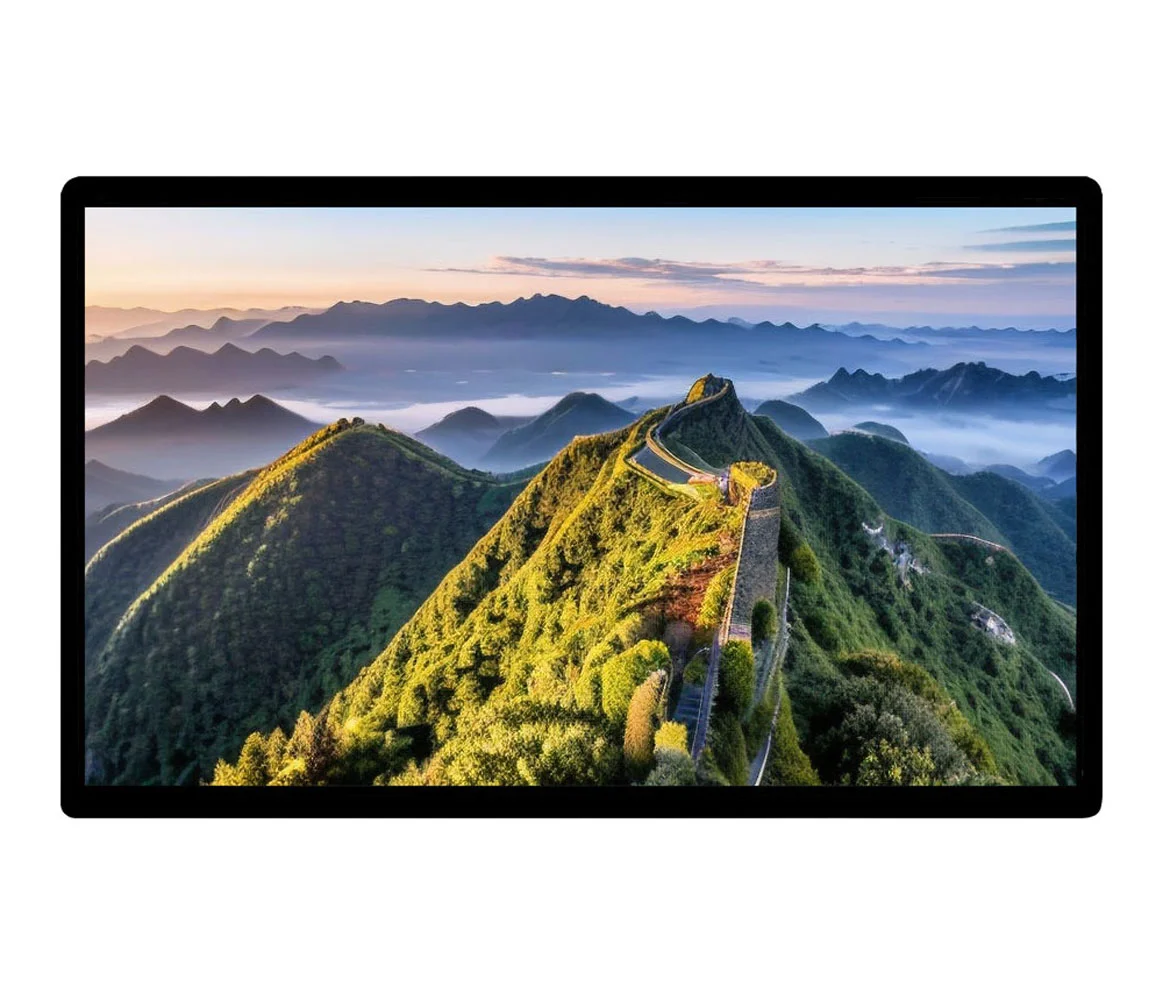
Collegamento ottico
L'incollaggio ottico elimina lo spazio d'aria tra il display LCD e il vetro superiore mediante strati di colla trasparente. Questo metodo riduce i riflessi interni fino all'80%, migliora il contrasto e aumenta la resistenza alle vibrazioni. Questo è fondamentale per macchinari soggetti a urti come trinciatrici o escavatori.
Rivestimenti antiriflesso (AR) e antiabbagliamento (AG)
La sola elevata luminosità non basta a impedire che tutti i riflessi compromettano la visuale. Gli strati AR riducono i riflessi luminosi dei raggi solari. Gli strati AG diffondono la luce in modo uniforme sulla superficie. Entrambi lavorano insieme per un aspetto stabile. Il contrasto rimane elevato indipendentemente dall'angolazione.
Protezione dai raggi UV
L'esposizione prolungata al sole invia raggi UV che deteriorano gradualmente i cristalli liquidi. I nuovi moduli ora includono potenti filtri UV. Questi impediscono la comparsa di macchie gialle o immagini bloccate dovute a lunghe giornate sul campo.
Applicazioni in primo piano: dai golf cart ai trattori intelligenti
Macchinari agricoli
Le robuste attrezzature agricole, ideali per l'esposizione, devono resistere a temperature estreme, da -30 °C nelle sementi fredde a +80 °C negli ambienti caldi delle cabine durante l'estate. Display Kadi Integra la tecnologia touch capacitiva proiettata, utilizzabile anche con i guanti. Gli operatori possono toccare lo schermo anche indossando guanti pesanti o sotto la pioggia battente tipica del periodo del raccolto.
Veicoli per esterni
Per i quad elettrici e i veicoli per le consegne a guida autonoma, le dimensioni ridotte si adattano a esigenze specifiche. Le opzioni spaziano da piccoli cruscotti a grandi display con ampia visuale nelle postazioni di guida. Ogni componente viene sottoposto a test di vibrazione e a verifiche di tenuta stagna prima dell'uso.
Robustezza industriale
La robustezza significa affidabilità anche nelle situazioni più difficili. Le custodie con grado di protezione IP65 bloccano polvere e spruzzi d'acqua. Il vetro con classificazione IK resiste agli urti di attrezzi o detriti in officine e campi.
Parametri di selezione: scegliere il modulo display Kadi più adatto
Scegliere il modulo migliore significa valutare la potenza tecnologica rispetto al risparmio energetico:
-
Luminosità e rapporto di contrasto: La luce intensa migliora la visuale ma consuma più energia; la funzione di attenuazione automatica consente di risparmiare batteria durante le corse reali.
-
Angoli di visione: Il display LCD IPS TFT ha un angolo di visione fino a 178 gradi, il che lo rende ideale per le postazioni operatore condivise.
-
Compatibilità dell'interfaccia: I moduli Kadi Display supportano le interfacce LVDS, RGB e MIPI, garantendo una perfetta integrazione con le moderne centraline elettroniche dei veicoli.
-
Gestione termica: I sensori intelligenti regolano la potenza della retroilluminazione in base alle variazioni di luce. Questo evita il surriscaldamento o i blackout nelle ore più calde del mezzogiorno.
Questi fattori influenzano la resistenza di un display all'esterno. Sono importanti non solo nei test, ma anche nelle condizioni quotidiane estreme come polvere, vento, vibrazioni del motore e esposizione al sole per tutto il giorno.
Conclusione
Con la crescita esponenziale della tecnologia automobilistica in diversi settori nel 2026, i display fanno più che mostrare dati. Collegano le persone alle macchine in tempo reale. Scommettendo su LCD TFT leggibili alla luce del sole Aumenta la chiarezza visiva e distingue i marchi grazie a un lavoro costante.
In Kadi Display, l'eccellenza ingegneristica guida ogni decisione progettuale, dalla precisione del bonding ottico all'ottimizzazione dell'architettura termica. La missione dell'azienda è chiara: creare soluzioni di visualizzazione che prosperino dove le altre falliscono. Che si tratti di aggiornare una flotta agricola o di sviluppare cruscotti per veicoli elettrici di nuova generazione per esterni, Kadi Display fornisce un supporto ingegneristico su misura, progettato per garantire estrema nitidezza e resistenza in ambienti esposti alla luce solare intensa.
Contatta Kadi Display oggi Richiedi un campione di modulo personalizzato e scopri cosa significa una vera leggibilità all'aperto.
Domande frequenti
D1: Qual è la luminosità minima (nits) necessaria affinché un display LCD sia veramente leggibile alla luce del sole in ambienti agricoli?
A: Sebbene livelli di luminosità moderati intorno ai 500-700 nit possano essere sufficienti all'ombra, i macchinari per campi aperti richiedono in genere almeno 1.000 nit per una leggibilità efficace. La combinazione di questo con la tecnologia di incollaggio ottico offre prestazioni superiori, raggiungendo spesso gli standard di settore prossimi ai 1.500 nit per un utilizzo agricolo gravoso.
D2: In che modo l'elevata luminosità influisce sulla durata di un modulo TFT LCD?
A: Il funzionamento prolungato ad alta luminosità genera un carico termico aggiuntivo sui LED. I moduli di qualità come quelli di Kadi Display utilizzano driver LED efficienti e sistemi di dissipazione del calore avanzati, in modo che la retroilluminazione mantenga la sua durata nominale di circa 50.000 ore senza degrado precoce.
D3: Il collegamento ottico è necessario per le applicazioni ad alta luminosità?
R: Sì, soprattutto per i veicoli da esterno dove la condensa o le vibrazioni potrebbero compromettere i design standard con intercapedine d'aria. L'incollaggio ottico elimina completamente le intercapedini d'aria interne e aumenta significativamente la resistenza agli urti, migliorando al contempo la leggibilità alla luce del sole grazie alla riduzione degli strati riflettenti.
D4: È possibile utilizzare schermi ad alta luminosità con i guanti durante la pioggia?
A: Assolutamente. I controller touch PCAP di livello industriale sono configurati appositamente per essere utilizzati con i guanti. Sono dotati di funzionalità intelligenti di protezione dall'acqua. Questo permette di lavorare senza intoppi, anche sotto la pioggia battente o durante l'irrigazione dei campi. Gli operatori che lavorano in condizioni di umidità non segnalano alcuna perdita di getto durante le operazioni di irrigazione.
D5: Come si comporta un display leggibile alla luce del sole durante il funzionamento notturno?
A: Questi display sono dotati di ampie opzioni di regolazione della luminosità PWM. Ciò consente transizioni fluide tra le impostazioni diurne e notturne. La luminosità si riduce dai livelli di piena luce solare fino all'1% quando necessario, alleviando l'affaticamento degli occhi. Allo stesso tempo, la visualizzazione rimane nitida anche durante i turni serali in aziende agricole o cantieri edili in condizioni di scarsa illuminazione.
PREVIDENTE
Touch screen capacitivo o resistivo: quale soluzione è vincente per il settore medicale e industriale?
Prossimo
I migliori display touchscreen industriali per ambienti difficili
Lascia un commento

Ultimi Blog & Notizie
- Industrial LCD EOL: What Happens from Pre-Announcement to Replacement Mass Production?
- Electronic Component Obsolescence Management for Industrial Displays: An OEM Guide
- How to Develop a Production Ready Custom Display Assembly TFT Module Touch Cover Glass FPC Bonding and Mounting
- 15 Pin vs 22 Pin Raspberry Pi DSI Connectors Cable Pinout and Compatibility
- Native MIPI DSI vs LVDS or HDMI Bridge: An OEM Display Architecture Decision Guide
Blog & Notizie correlate
-
 TN contro IPS2024-7-9
 -
TN contro IPS2024-7-9