Het beste scherm kiezen voor uw embedded apparaat
2026-01-29
10:00
Het juiste kiezen weergave opvalt als een van de belangrijkste keuzes in de ontwikkeling van embedded devices. Displays werken als de belangrijkste manier om informatie te tonen en gebruikerscontrole toe te staan. Ze beïnvloeden de kwaliteit van het product, het geluk van de gebruiker en het succes op de markt op een directe manier. Uit lange ervaring in veel ingebedde projecten helpen bepaalde belangrijke punten slimme keuzes te maken. Deze punten komen overeen met technische behoeften, omliggende omstandigheden en zakelijke doelstellingen.
Wat is een Embedded Display?
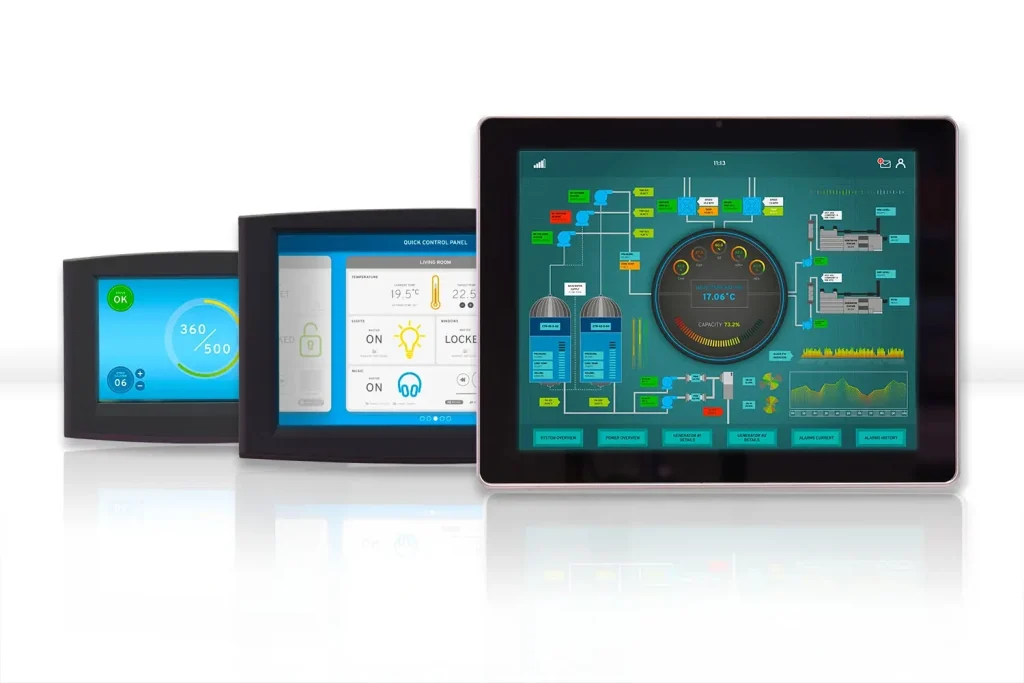
Een ingebedde weergave past in apparaten die computing in een speciaal systeem uitvoeren. Voorbeelden zijn industriële controllers, medische instrumenten, automobielinterfaces of IoT-apparaten. In tegenstelling tot normale schermen in dagelijkse consumptieproducten richten ingebedde schermen zich op stabiele prestaties, lange levensduur en exacte behoeften in plaats van fancy entertainment opties.
Wat is een Embedded Touch Screen?
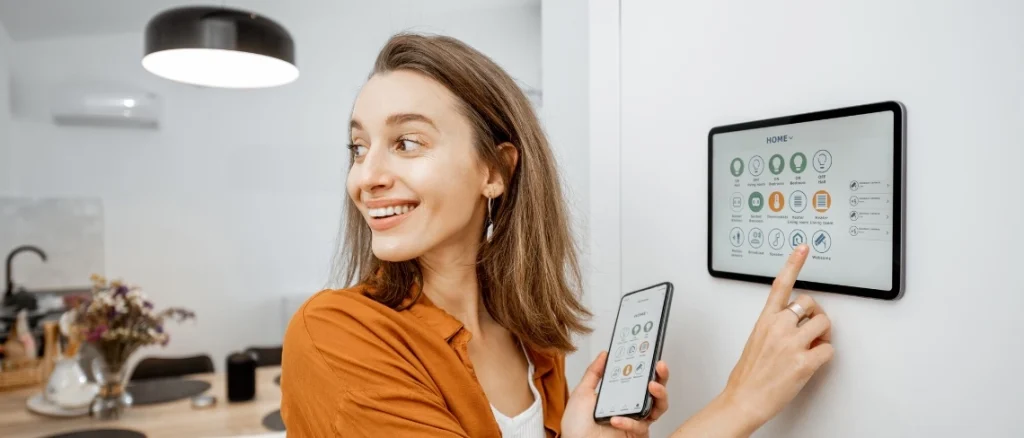
Ingebedde touchscreens maken directe invoer mogelijk met capacitieve of resistieve methoden. Deze schermen hanteren gebaren en multi-touch acties. Ze passen overeen met wat mensen verwachten van huidige apparaten zoals smartphones of kiosken. In ingebedde toepassingen verbeteren touchfuncties het gebruiksgemak voor taken die eenvoudige controle vereisen. Goede voorbeelden zijn HMI-panelen of draagbare diagnostische hulpmiddelen.
Wat is een LCD in een Embedded System?
LCD-technologie leidt in embedded toepassingen omdat het volwassen en flexibel is. Character LCD's geven eenvoudige, goedkope tekstschermen voor eenvoudige statusupdates. Grafische LCD's, vooral TFT-typen, tonen full-color afbeeldingen, video's en gedetailleerde interfaces. TFT-lcd's bieden een goede balans in helderheid, kleurkwaliteit en stroomverbruik. Dit maakt ze geschikt voor veel verschillende ingebedde instellingen.
Off-the-Shelf Embedded Display vs. het ontwerpen van een display
Ingenieurs moeten kiezen tussen kant-en-klare modules en op maat gemaakte displays.
Voor- en nadelen van het ontwerpen van uw eigen embedded display
Aangepaste ontwerpen geven een exacte overeenstemming met mechanische grenzen. Ze verwijderen extra functies die niet nodig zijn. Daarnaast zorgen ze voor een langdurige levering via beheerde bronnen. Bij grote productieniveaus dalen de kosten veel. Toch duurt het ontwikkelingsproces 5-6 maanden langer of zelfs langer. Mechanische montage brengt moeilijkheden met zich mee. Ook de vooruitbetalingsbehoeften groeien een beetje.
Het kopen van een Off-the-Shelf Display voor een Embedded Device
Off-the-shelf keuzes versnellen de tijd om op de markt te komen. Ze worden geleverd met geteste betrouwbaarheid en lagere startkosten, vooral voor kleine tot middelgrote hoeveelheden. Deze modules worden grondig gecontroleerd, waardoor de risico's afnemen. Nadelen zijn mogelijk mismatch in uiterlijk of functies. Er is ook vertrouwen op hulp van leveranciers. Bovendien is er gevaar dat het product eindigt als de fabrikant stopt met het maken.
Een vergelijking laat deze verschillen duidelijk zien. Aangepaste methoden doen beter in fit en lange levensduur op grote schaal. Off-the-shelf opties richten zich op snel werk en lagere kosten voor vroege modellen of kleinere productie.
Belangrijke factoren bij het kiezen van een hoogwaardig ingebedd display
Veel factoren bepalen of een display goed past.
Use case en user interaction bepalen de behoeften. Eenvoudige statusborden vereisen slechts kleine schermen. Interactieve systemen hebben grotere panelen met aanraking nodig. Veiligheid is belangrijk op gecontroleerde gebieden zoals medische of automotive. Fouten daar kunnen leiden tot ernstige schade.
Interactiekeuzes vergelijken touchscreens met echte knoppen. Touch zorgt voor eenvoudige veranderingen en een modern gevoel. Knoppen geven sterke prestaties op moeilijke plaatsen. Kostenbeoordeling omvat het starten van het werk, de prijs per eenheid en de totale levenskosten.
Milieusterkte hanteert water, schudden, extreme temperaturen en stevige montage om problemen te voorkomen. Geheugen en verwerkingsbehoeften van het scherm moeten passen aan de microcontroller of processor vermogen.
Energieverbruiksgrenzen worden erg belangrijk in batterijapparaten of energiearme apparaten. Duurzaamheid beschermt tegen slijtage bij constant gebruik of harde omstandigheden.
De levenscyclus van het product en de ondersteuning van de fabrikant zorgen ervoor dat de levering doorgaat. Displays moeten zo lang duren als de productie van het apparaat, meestal 6 jaar of langer. Tools zoals drivers en SDK's maken het opzetten en onderhoud eenvoudiger.
Technische overeenstemming met hardwareverbindingen (bijvoorbeeld MIPI, LVDS, HDMI) en besturingssystemen blijft essentieel. Speciale industriebehoeften, zoals zonlicht leesbaarheid, beïnvloeden helderheid (gemeten in nits) en anti-glare coatings.
Leesbaarheid, contrastniveaus en grote kijkhoeken houden dingen zichtbaar vanaf verschillende plekken. Kleurkwaliteit helpt bij toepassingen die echte visuals nodig hebben. Updatetarieven zorgen voor soepele beweging of live data.
De beschikbare maten van leveranciers beperken de keuzes. Vroege controles zijn noodzakelijk.
Top Embedded Displays om klanten visueel onder indruk te brengen
Display types verschillen in hoe goed ze presteren:
-
TFT LCD-scherm: Hoofdkeuze met constante achtergrondverlichting, solide helderheid, brede kijkhoeken en goede waarde. Het werkt goed voor de meeste industriële en ingebedde taken.
-
PMOLEDGeeft sterk contrast. Maar het gebruikt meer energie, verfrist langzaam en wordt geconfronteerd met verouderingsproblemen.
-
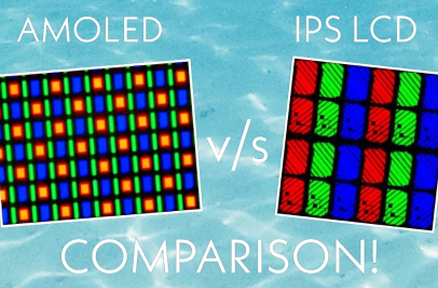
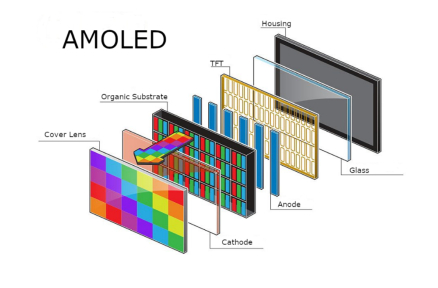
AMOLEDProduceert heldere kleuren, perfecte zwarte niveaus en slanke constructies. burn-in en hogere prijs verminderen echter het algemeen gebruik in ingebedde gebieden.
-
E-papierOpvalt door zeer laag vermogen en helder zicht in zonlicht. Het past bij statische informatie omdat updates langzaam gebeuren.
TFT LCD lijkt meestal de beste evenwichtige keuze voor betrouwbaar ingebedd gebruik en flexibiliteit.
Meer dan ingebedde displays
Displays brengen grote kosten en extra moeilijkheid voor ingebedde ontwerpen. Het verbeteren van het UI-werk na het selecteren van het display verhoogt de totale resultaten.
Kadi weergave
Kadi weergave, een toonaangevende fabrikant en leverancier van industriële TFT LCD-modules en aangepaste display-oplossingen, is gespecialiseerd in ingebedde toepassingen. Gebaseerd in Shenzhen met meer dan 20 jaar expertise, het bedrijf exploiteert een 10.000 ㎡ faciliteit uitgerust met geautomatiseerde productielijnen en houdt certificeringen waaronder ISO9001, ISO14001, ISO13485 en IATF16949. Kadi Display biedt one-stop OEM/ODM-diensten, waaronder TFT-lcd's met hoge helderheid (tot 1100 nits of meer), touch-integraties, brede temperatuurbereiken en compatibiliteit met interfaces zoals HDMI, MIPI, LVDS en ingebouwde platforms die FreeRTOS, Linux, LVGL of Qt ondersteunen. Zonder minimale bestelhoeveelheden voor aanpassing, partnerschappen met grote panelleveranciers (bijvoorbeeld BOE, Tianma, Innolux) en een focus op industriële, medische en automobielsectoren, levert Kadi Display betrouwbare, langdurige levering voor fabrikanten en leveranciers die op maat ingesloten oplossingen zoeken.
Veelgestelde vragen
Wat is het belangrijkste verschil tussen off-the-shelf en aangepaste embedded displays?
Off-the-shelf displays bieden snellere implementatie en bewezen betrouwbaarheid voor lagere volumes, terwijl aangepaste ontwerpen zorgen voor exacte integratie, functieoptimalisatie en uitgebreide beschikbaarheid op hogere schalen.
Welke schermtechnologie past bij de meeste embedded apparaten?
TFT LCD-technologie balanceert kosten, helderheid, duurzaamheid en prestaties, waardoor het de voorkeur is voor industriële en ingebedde toepassingen boven alternatieven zoals AMOLED of E-papier.
Hoe belangrijk is helderheid bij de selectie van ingebedde schermen?
Helderheid (in nits) heeft een kritieke invloed op de leesbaarheid in verschillende verlichtingsomstandigheden, zoals buiten of industriële instellingen met hoge omgevingsomstandigheden; hogere waarden (800 nits) zorgen voor zichtbaarheid.
Partner met een betrouwbare fabrikant voor Embedded Display Solutions
Klanten die op zoek zijn naar hoogwaardige TFT LCD-modules, aangepaste ingebedde oplossingen of schermen van industriële kwaliteit profiteren van samenwerking met een gevestigde fabriek zoals Kadi Display. Neem vandaag nog contact op met het team om specificaties te bespreken, monsters aan te vragen of OEM / ODM-projecten te starten. Reach uit via e-mail op Sales@sz-kadi.com of telefoon op 86-13662585086 om op maat gemaakte opties te verkennen die de prestaties van het apparaat verbeteren en de betrouwbaarheid van de levering op lange termijn garanderen. Verhoog ingebedde projecten met bewezen productie expertise - verbind nu om het gesprek te beginnen.
Voorgaande
Een stap-voor-stap gids voor het beheersen van MIPI DSI
Volgende
Lees meer over de schermgrootte en aspect ratio van het industriële LCD-scherm
Laat een reactie achter

Laatste Blog & Nieuws
- Applications of Industrial LCD Displays in Medical Devices
- Sourcing Cost-Effective TFT Displays for Medical Equipment
- How to Choose High Brightness LCD Displays for Outdoor Applications
- How to Choose the Best Industrial TFT LCD for Your Embedded Device
- IPS vs Andere Panelen Hoe selecteer je Display Interfaces voor Embedded en Industrial TFT LCD