
TFT LCD Display: Essential Guide for Industrial & Medical Use In 2026
2026-05-07
00:00
Introduction
The year 2026 promises to mark yet another key step forward in industrial automation and medical device progress. Factories, hospitals, and labs keep pushing toward digital setups. Display tech stays central to how people interact with machines. TFT LCD Display technology holds strong as the reliable choice for solid B2B uses. It offers a well-balanced mix of durability, readability, and cost-efficiency — essential traits in mission-critical environments where downtime is not an option.
TFT LCDs serve as the main active-matrix option in industrial control setups and medical tools. Firms with long-standing expertise, such as Kadi Display, keep guiding this area. With more than 20 years focused on industrial TFT LCD modules, Kadi Display provides tailored 5–15 inch solutions that meet diverse engineering requirements — from rugged outdoor HMIs to sterile surgical displays. This article looks into the tech basics, picking tips, and main shifts shaping TFT LCD medical displays 2026 and the best TFT LCD for industrial and medical applications.
Understanding TFT LCD Display Technology
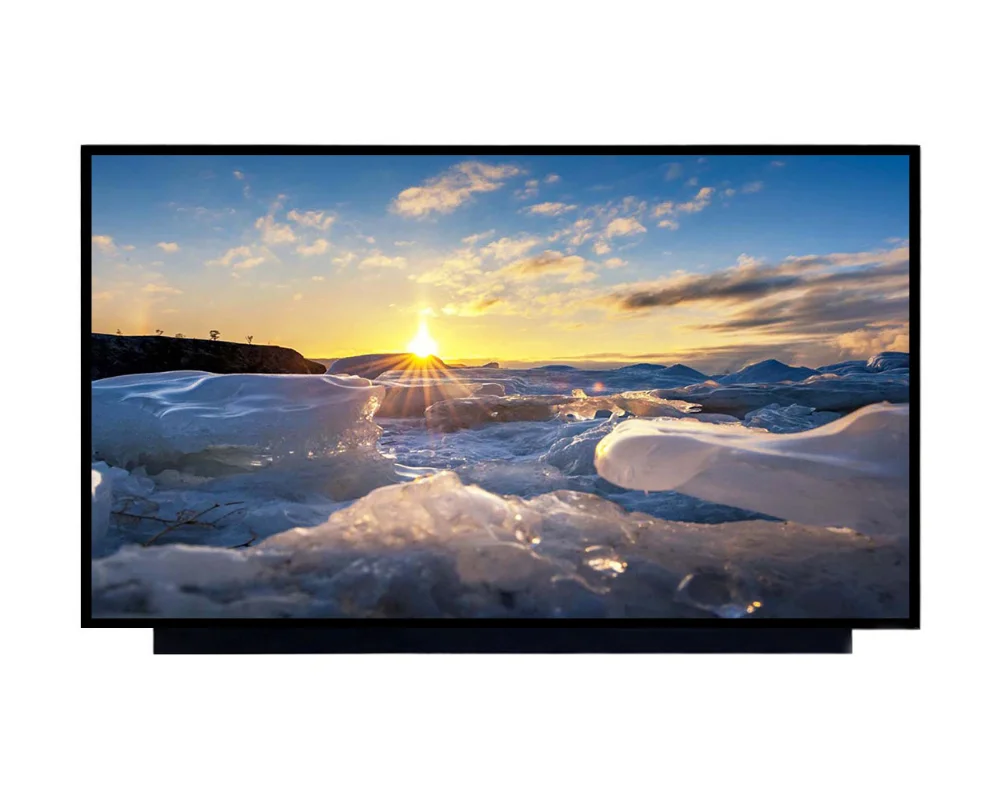
A TFT LCD Display is short for Thin Film Transistor Liquid Crystal Display. Passive-matrix screens use slower ways to handle electrical signals. In contrast, TFT tech employs an active grid of transistors behind every pixel. This setup allows exact control over light flow. As a result, it provides quicker reactions, clearer pictures, and steady colors. Such traits prove vital in control rooms for factories and devices for patient checks.
Leading suppliers like Kadi Display source panels from high-quality production lines to guarantee long-term reliability — a key requirement when displays must operate in factories or hospitals without degradation.
How TFT LCD Displays Work
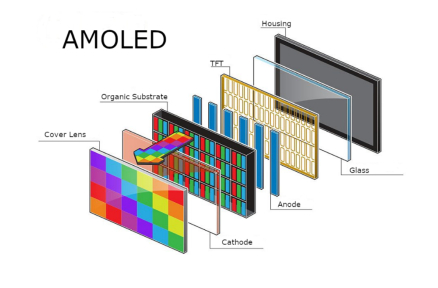
At the heart, a TFT LCD includes a few main layers. Liquid crystals sit between two glass sheets with clear electrodes. A backlight setup, often LED-driven, supports it. Plus, thin-film transistors manage each subpixel for red, green, and blue. Voltage passes through these transistors to shift the crystals. Consequently, they adjust light strength and hue output.
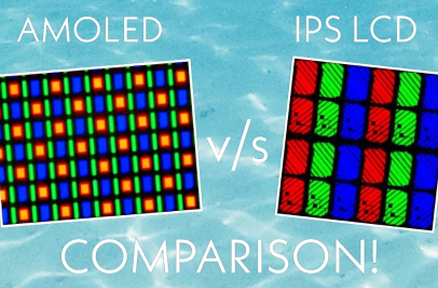
Newer types like IPS (In-Plane Switching) panels boost viewing ranges a great deal, up to 178°. They suit group settings well, such as surgery rooms or team workstations in plants. For those building industrial TFT LCD display guide systems or fitting medical screens, these sight upgrades mean less strain on eyes and better data views.
Key Advantages and Limitations for B2B Applications
Advantages
-
High Resolution: It handles sharp text and fine drawings, key for imaging in checks or seeing processes.
-
Fast Response: Often below 20 ms. This supports quick loops in automation setups.
-
Longevity: Backlight life usually tops 50,000 hours. Brightness drops little over time.
-
Energy Efficiency: LED backlights use less power than old CCFL kinds. They keep light even across the surface.
-
Durability: Plant-grade builds handle shakes, moisture changes, and heat swings from -30°C to +85°C.
Limitations & Solutions
Simple TN (Twisted Nematic) screens might limit angles or show color changes in harsh spots. Backlight evenness can shift a bit as years pass. Makers like Kadi Display tackle this with broad-temp units and bright options up to 1400 nits. These fit outdoor controls or sunny plant areas. Their certified production processes further guarantee consistent quality across large-scale orders.
TFT LCD in Industrial and Medical Environments
Factory automation leans on sturdy screen links. HMIs on lines, panels in power sites, and dashboards in farm gear or carts all need good views in shifting light. In health areas, TFT LCDs show up in watch systems for patients, test machines, ultrasound units, and imaging for operations. Here, exactness can truly protect lives.
Health uses call for tight clean rules and steady runs over time. Kadi Display hits these marks via ISO13485-approved making for TFT LCD medical displays 2026. It uses safe materials and strict tests. For car-level needs like electric rides or tough gear dashboards, their IATF16949-approved fixes offer better shake handling and longer life aid.
2026 Market Trends and Innovations
Next year brings a few big changes that will shift how displays work.
| Trend | Description | Impact |
| Higher Resolutions | From Full HD moving toward 4K | Enables finer detail visualization |
| MIPI/LVDS Interfaces | Compact high-speed connections | Simplifies integration with modern processors |
| AI-enhanced Displays | Adaptive brightness & diagnostics | Improves user experience & maintenance |
| Sustainability Features | Lower power consumption & recyclable materials | Aligns with green manufacturing goals |
| Sunlight-readable Modules | Up to 1400 nits brightness | Expands outdoor usability |
These innovations boost overall performance across industrial TFT LCD applications while reducing total cost of ownership. Forward-thinking suppliers like Kadi Display actively support these developments through flexible customization programs — offering OEM clients stable supply chains even amid global component shortages.
Selecting the Right TFT LCD Display: A Practical B2B Guide
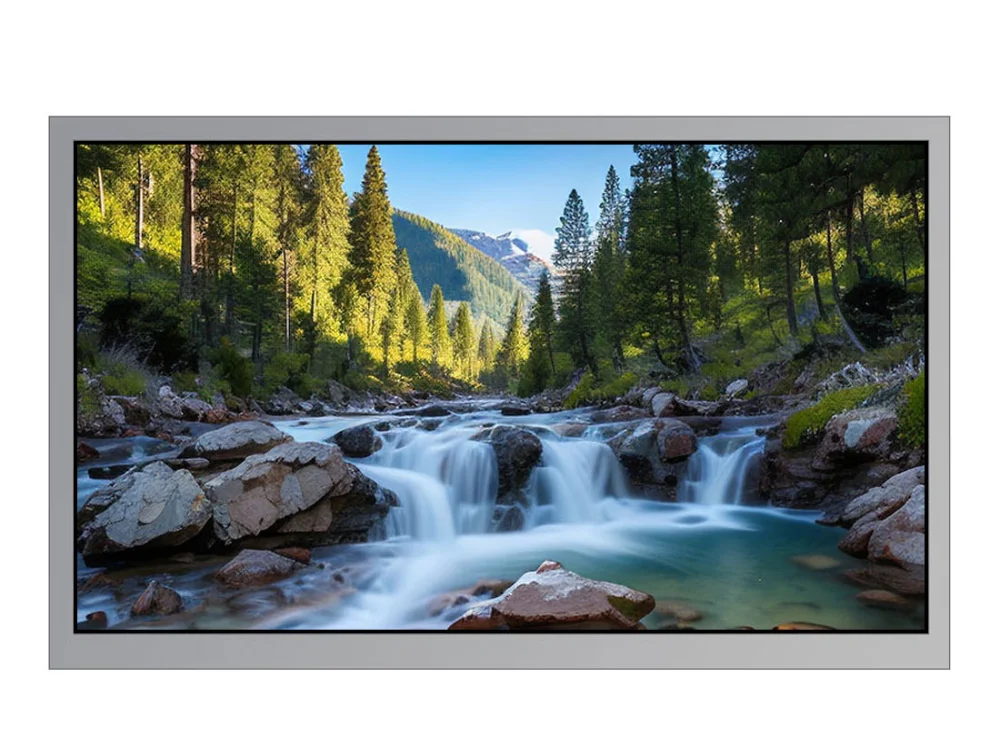
Picking the best unit means weighing specs against site needs.
-
Resolution & Size: Choose from WVGA (800×480) to Full HD based on detail wants.
-
Brightness: Indoor health gear often needs 300–500 nits. Outdoor machines might call for over 1000 nits.
-
Operating Temperature: In tough spots (-30°C~+85°C), pick wide-temp kinds.
-
Interface Compatibility: Verify controller fits for MIPI DSI/LVDS/HDMI per build style.
-
Touch Integration: Pick capacitive for multi-touch accuracy or resistive for glove use.
-
Durability Specs: Check shake ratings for rides or moving tools.
Quick Checklist for Procurement Teams
| Parameter | Recommended Range |
| Brightness | ≥500 nits indoor / ≥1000 nits outdoor |
| Operating Temp | -30°C ~ +85°C |
| Lifetime | ≥50k hours backlight |
| Interface | LVDS / MIPI / HDMI |
| Certification | ISO13485 / IATF16949 |
Conclusion
Come 2026, the industrial TFT LCD display guide still stresses steadiness more than fresh ideas. It shows how tried tech can grow smoothly with new calls. TFT stands out for mixing strong work and lasting worth, whether running a robot line’s HMI or showing health signs in surgery.
Businesses seeking dependable visual interfaces is encouraged to collaborate with Kadi Display — whose certified expertise ensures every project receives durable engineering support backed by steady supply chains.
FAQ
Q1: What are the main differences between TFT LCD and traditional passive LCD technologies in industrial and medical applications?
A: Passive LCDs update slowly. They miss single transistor control per pixel. TFT LCDs use active grids for quicker replies and keener images. These suit real-time views in plant HMIs and health watchers.
Q2: How does wide-temperature operation affect the reliability of TFT LCD medical displays in clinical environments?
A: Wide-temperature work lets screens hold steady light and contrast. This happens even with changing air in surgery spots or moving check units.
Q3: What brightness levels are typically recommended for TFT LCD displays used in outdoor vehicle or agricultural machinery applications?
A: Outdoor setups usually need bright screens from 1000 to 1400 nits. Operators can then spot info clearly in straight sun without glare.
Q4: Which interface options are most suitable for embedding TFT LCD modules into modern industrial HMI systems in 2026?
A: MIPI DSI gives small fast links for built-in bases. LVDS stays common for steady runs over longer wires. HDMI fits best with outside compute links.
Q5: How can B2B buyers evaluate long-term supply stability when selecting an industrial TFT LCD display supplier?
A: Buyers ought to scan supplier approvals (ISO13485/IATF16949). They should check part source openness, verify multi-year promises, and favor sellers like Kadi Display. These keep steady panel flows amid market ups and downs.
PREVIOUS
MIPI Display Interfaces: Boost TFT LCD for Raspberry Pi & Embedded 2026
NEXT
TN vs IPS vs VA Display Panels: Comparative Guide for Industrial and Vehicle Use
Leave A Comment

Latest Blog & News
- MIPI DSI Display Driver Development for Embedded Linux What Hardware Buyers Need to Confirm
- Why PCAP Touchscreens Need Retuning After Cover Glass Coating or Optical Bonding Changes
- Why Outdoor LCDs Fog Inside: Condensation, Sealing, Vents, and Heaters
- IP65 vs IP67 Industrial Displays: What the Rating Actually Covers
- How to Specify a Touchscreen for Food-Processing Equipment