
الصفحة الرئيسية
-
مدونة & أخبار
-
كيفية اختيار وحدة عرض TFT LCD صناعية: دليل الحجم والسطوع والواجهة واللمس والتخصيص
كيفية اختيار وحدة عرض TFT LCD صناعية: دليل الحجم والسطوع والواجهة واللمس والتخصيص
2026-06-11
00:00
اختيار وحدة عرض TFT LCD صناعية يُتخذ هذا القرار عادةً قبل وقت طويل من وصول المنتج إلى مرحلة الإنتاج الضخم، ومع ذلك، يؤثر هذا القرار بشكل مباشر على تصميم الهيكل، وتوافق اللوحة الأم، وأداء المنتج في الميدان، وخدمات ما بعد البيع. قد تُسبب شاشة تعمل بشكل جيد أثناء اختبار العينات مشاكل لاحقًا إذا كان سطوعها منخفضًا جدًا، أو إذا لم تتوافق واجهة المستخدم مع لوحة التحكم، أو إذا كان أداء لوحة اللمس ضعيفًا بعد التركيب.
بالنسبة لمصنعي المعدات، فإن السؤال الحقيقي ليس ببساطة كيفية الاختيار منتجات وحدات شاشات TFT LCD من الكتالوج. السؤال الأهم هو: أي وحدة عرض LCD يمكنها العمل بثبات في التطبيق النهائي، وتتوافق مع الهيكل الميكانيكي، وتدعم الواجهة المطلوبة، وتبقى متاحة لدفعات الإنتاج المستقبلية؟ لهذا السبب، ينبغي مراجعة الحجم والدقة والسطوع والواجهة ووظيفة اللمس ونطاق درجة الحرارة وإمكانية التخصيص معًا.
ابدأ ببيئة التطبيق
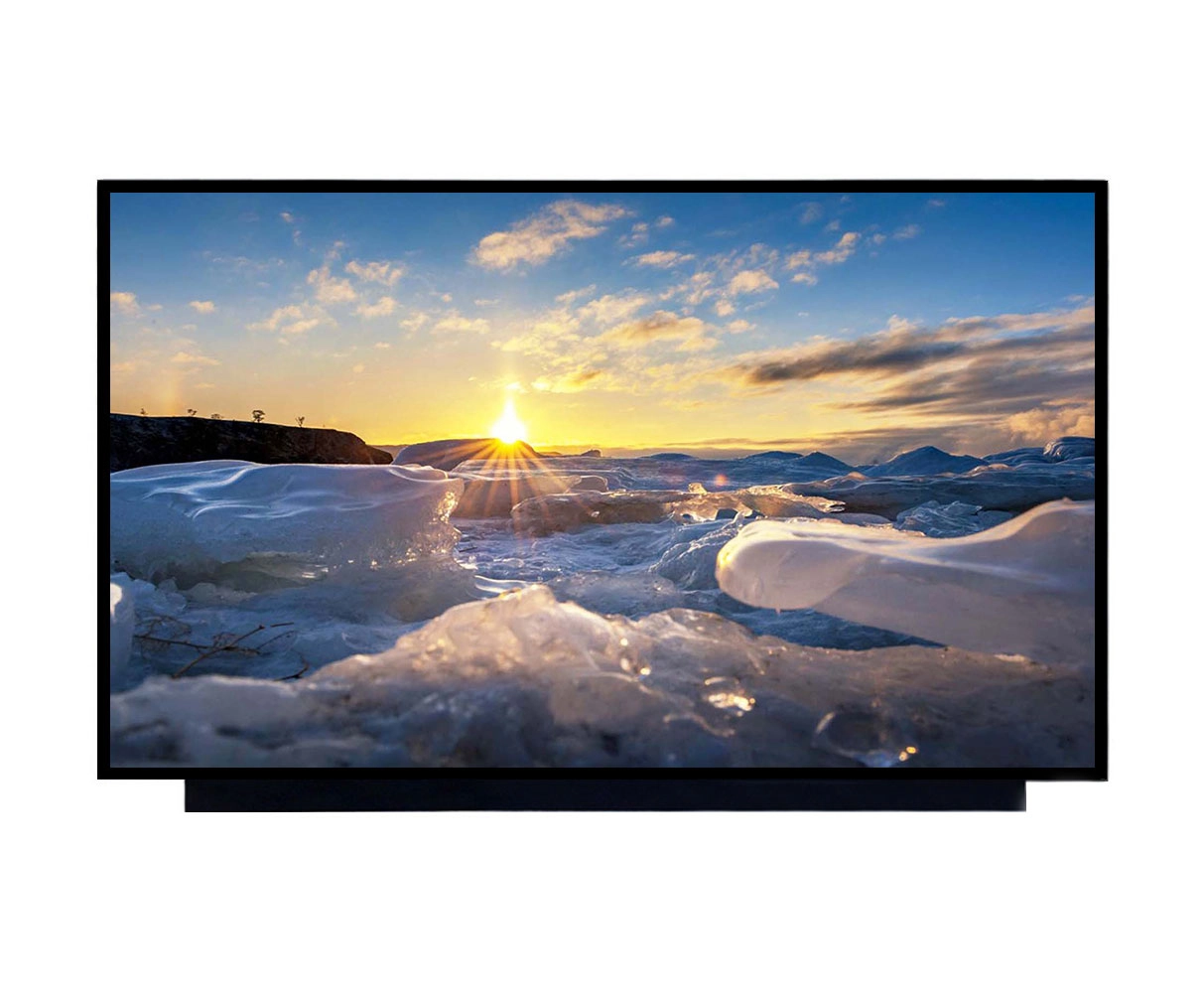
ينبغي أن يبدأ دليل اختيار وحدة شاشة TFT LCD عمليًا بدراسة بيئة العمل. فشاشة HMI الصناعية الداخلية المثبتة داخل خزانة التحكم لها متطلبات مختلفة عن شاشة TFT LCD الخارجية المستخدمة في محطة شحن أو لوحة تحكم مركبة أو جهاز اختبار ميداني. قد تركز المعدات الداخلية بشكل أكبر على استقرار الواجهة وزاوية الرؤية والإمداد طويل الأمد، بينما تحتاج الأجهزة الخارجية وشبه الخارجية غالبًا إلى سطوع أعلى وتوصيل أقوى ومقاومة أفضل لدرجات الحرارة.
تتطلب مشاريع وحدات شاشات TFT LCD المدمجة تخطيطًا دقيقًا للمساحة. قد تستخدم الأجهزة الصغيرة شاشة بحجم 4.3 بوصة أو 5.0 بوصة، بينما تتجه لوحات التشغيل والمحطات الذكية غالبًا نحو شاشات بحجم 7.0 بوصة أو 10.1 بوصة أو أكبر. قد تحتاج مشاريع وحدات العرض الطبية إلى جودة صورة ثابتة، وتصميم زجاج أمامي أنيق، وتحكم موثوق في الإنتاج. يحدد التطبيق مواصفات الشاشة قبل البدء في مقارنة الأسعار.
اختر الحجم والدقة المناسبين
يجب اختيار حجم وحدة شاشة TFT LCD وفقًا لمسافة المشاهدة، ومساحة اللوحة الأمامية، وتصميم واجهة المستخدم، وطريقة التركيب. يمكن للشاشة الصغيرة أن تقلل من حجم الجهاز، ولكنها قد تحد من تصميم القوائم وسهولة قراءة المستخدم. توفر وحدة شاشة LCD الصناعية الأكبر مساحة أكبر للبيانات ورسائل التحذير وأزرار اللمس، ولكنها قد تتطلب طاقة أكبر وهيكلًا أكبر.
ينبغي أن تتبع الدقة نفس المنطق الهندسي. تُستخدم وحدة شاشة TFT LCD بدقة 800×480 على نطاق واسع في لوحات التحكم المدمجة لأنها توفر توازنًا مستقرًا بين الوضوح والتكلفة وحمل المعالجة. توفر شاشة TFT LCD بدقة 1024×600 مساحة أكبر للواجهات الرسومية والقوائم متعددة المستويات. تُعد الدقة الأعلى مفيدة عندما يحتاج الجهاز إلى رسومات تفصيلية أو معاينة للصور أو نوافذ بيانات متعددة، ولكن يجب أن تكون اللوحة الأم قادرة على دعم متطلبات الإشارة والتوقيت وبرامج التشغيل.
اختر مستوى السطوع بناءً على ظروف الإضاءة الحقيقية
يُعدّ السطوع سببًا شائعًا لاستبدال الشاشات بعد الاختبارات الميدانية. قد تبدو الشاشة ذات السطوع القياسي مقبولة في المختبر، لكنها تصبح صعبة القراءة بالقرب من النوافذ، أو تحت إضاءة ورشة العمل القوية، أو داخل المعدات الخارجية. لهذا السبب، ينبغي أن يستند اختيار وحدة شاشة TFT LCD عالية السطوع إلى ظروف الاستخدام الفعلية، وليس إلى مواصفات عامة.
تتطلب شاشة TFT LCD قابلة للقراءة تحت أشعة الشمس عادةً أكثر من مجرد السطوع. فالزجاج الواقي، والربط البصري، ومعالجة السطح، وزاوية الرؤية، وبنية الإضاءة الخلفية، كلها عوامل تؤثر على وضوح القراءة. بالنسبة لمحطات التحكم الخارجية أو المعدات المثبتة على المركبات، يمكن النظر في سطوع 800 أو 1000 شمعة/م² حسب زاوية التركيب والتعرض المباشر للضوء. تشمل مجموعة منتجات كادي ديسبلاي حلول شاشات عالية السطوع وخيارات الربط البصري OCA، مما يساعد على تقليل الانعكاس وتحسين الأداء البصري في البيئات الصعبة.
قم بمطابقة واجهة العرض مع اللوحة الأم
غالبًا ما تكتشف فرق الهندسة مشكلات التوافق الخفية في واجهة العرض. تُستخدم حلول وحدات شاشات TFT LCD بتقنية RGB بشكل شائع في الأنظمة المدمجة ذات التكلفة المنخفضة والتصاميم منخفضة الدقة. أما خيارات وحدات شاشات TFT LCD بتقنية LVDS فهي مناسبة للشاشات الصناعية المتوسطة والكبيرة حيث يُعد استقرار الإشارة أمرًا بالغ الأهمية. بينما تُختار وحدات شاشات TFT LCD بتقنية MIPI عادةً للأنظمة المدمجة الصغيرة التي تتطلب نقلًا عالي السرعة وبنية توصيل أرق.
بالنسبة للتطبيقات الصناعية ذات الدقة العالية، يمكن النظر في استخدام وحدات شاشات LCD بتقنية eDP، وشاشات TFT بتقنية HDMI، وشاشات DP، وذلك حسب منصة التحكم وبنية النظام. قبل الموافقة على العينة، يجب على الفريق الهندسي التأكد من نوع الإشارة، وموضع الموصل، واتجاه كابل FPC، وجهد التشغيل، وواجهة اللمس، ودعم برامج التشغيل، ومساحة التركيب. قد يؤدي وجود شاشة تتوافق مع التصميم الكهربائي ولكنها تتعارض مع الهيكل إلى تأخير المشروع بأكمله.
حدد ما إذا كانت وظيفة اللمس مطلوبة
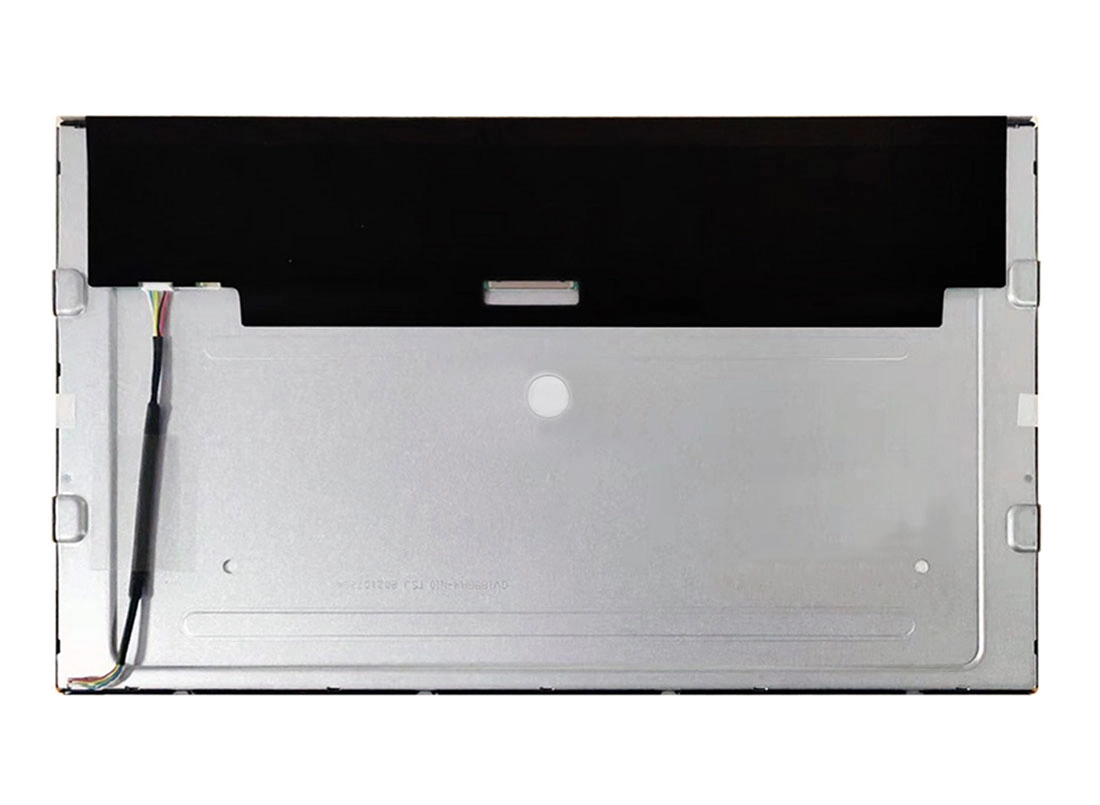
ينبغي اختيار نوع اللمس بناءً على المستخدم وظروف العمل وبنية اللوحة الأمامية. تُعدّ وحدة شاشة LCD بتقنية TFT تعمل باللمس السعوي مناسبة للمحطات الصناعية الحديثة، والواجهات الطبية، ولوحات التحكم الذكية، والمعدات التي تتطلب سطحًا زجاجيًا أملسًا. عادةً ما توفر تصميمات شاشات اللمس بتقنية PCAP نفاذية ضوئية أفضل ومظهرًا أكثر أناقة.
قد تظل شاشة اللمس المقاومة مناسبة لبعض البيئات الصناعية التي تتطلب استخدام القفازات، أو إدخال البيانات باستخدام الأدوات، أو التحكم في التكاليف. في التطبيقات الأكثر قسوة، ينبغي مراجعة بنية اللمس جنبًا إلى جنب مع سمك الغطاء الزجاجي، وطريقة التثبيت، والتعرض للماء، وضبط البرامج الثابتة، وضغط الهيكل. بالنسبة لشاشة اللمس الصناعية، يُعدّ استقرار التشغيل بعد التجميع أهم من وظيفة اللمس الموضحة في ورقة المواصفات.
التحقق من الموثوقية قبل الإنتاج الضخم
من المتوقع أن تعمل المعدات الصناعية لسنوات، لذا ينبغي التحقق من بيانات الموثوقية قبل اتخاذ قرار الشراء النهائي. غالبًا ما تُفضّل منتجات شاشات TFT LCD ذات نطاق درجة الحرارة الواسع للأجهزة الخارجية، ومعدات النقل، وأنظمة أتمتة المصانع، وغيرها من التطبيقات المعرضة للحرارة أو البرودة أو التغيرات المفاجئة في درجات الحرارة. يجب مراجعة درجة حرارة التشغيل، ودرجة حرارة التخزين، واتجاه الرؤية، وعمر الإضاءة الخلفية، وبنية التوصيل أثناء اختبار العينات.
يعتمد عمر وحدة العرض الطويل أيضًا على استمرارية التوريد. لذا، ينبغي على فرق المشتريات الاستفسار عما إذا كانت الشاشة تدعم دفعات إنتاج متكررة، وما إذا كانت هناك خيارات استبدال مماثلة، وما إذا كان المورد قادرًا على تقديم الدعم الفني عند تغيير اللوحة الأم أو الغلاف. تُسهم هذه الاستفسارات في تقليل مخاطر إعادة التصميم بعد طرح المنتج في السوق.
ضع في اعتبارك إمكانية التخصيص قبل تجميد التصميم.
تُعدّ الوحدة القياسية خيارًا مناسبًا عندما يتوافق الحجم والدقة والواجهة والسطوع والبنية مع الجهاز. مع ذلك، تتطلب العديد من مشاريع شاشات العرض الموجهة للشركات تعديلات قبل الإنتاج بكميات كبيرة. قد يلزم استخدام وحدة شاشة TFT LCD مُخصصة عندما يكون الغلاف ثابتًا، أو عند تغيير اتجاه كابلات FPC، أو عندما يحتاج غطاء الشاشة الزجاجي إلى شكل خاص، أو عندما يكون مستوى السطوع المطلوب أعلى من الإصدار القياسي.
تشمل المتطلبات الشائعة لشاشات LCD الصناعية المُخصصة دمج لوحة اللمس، وتصميم عدسة الغطاء، والربط البصري، وضبط الإضاءة الخلفية، ودعم لوحة التوصيل، وتغييرات الموصلات، والمساعدة في الهيكل الميكانيكي. بالنسبة لمشاريع وحدات العرض الأصلية (OEM) أو وحدات العرض المُصممة حسب الطلب (ODM)، تُعد المناقشة المبكرة ذات قيمة كبيرة، لأن التغييرات المتأخرة في الأدوات أو تصميم لوحة الدوائر المطبوعة (PCB) أو تصميم اللوحة الأمامية قد تزيد من التكلفة ووقت التسليم.
نبذة عن شركة شنتشن كادي لتكنولوجيا العرض المحدودة.
شركة شنتشن كادي لتكنولوجيا العرض المحدودة هي شركة تصنيع شاشات مقرها شنتشن، الصين، متخصصة في حلول العرض الصناعية والطبية. تشمل منتجات الشركة وحدات TFT-LCD، وشاشات TFT تعمل باللمس، والشاشات، وشاشات العرض الشريطية، وشاشات AMOLED، وحلول العرض المدمجة، والملحقات، ومنتجات العرض المصممة حسب الطلب.
بفضل خبرتها التي تمتد لأكثر من 20 عامًا في مجال التطوير وورشة إنتاج تزيد مساحتها عن 10000 متر مربع، تدعم شركة كادي ديسبلاي أنظمة التحكم الصناعية، والأنظمة المدمجة، والمعدات الطبية، والتطبيقات الخارجية، ومشاريع تصنيع المعدات الأصلية (OEM) وتصميمها (ODM). وقد حصلت الشركة على شهادات أنظمة ISO9001 وISO14001 وISO13485 وIATF16949، مما يُسهم في تعزيز مراقبة الجودة وإدارة الإنتاج لعملاء شاشات العرض في قطاع الأعمال (B2B).
الخلاصة: صمم اختيار الشاشة بناءً على الجهاز النهائي
الحق وحدة عرض TFT LCD صناعية ينبغي اختيار الشاشة بناءً على التطبيق النهائي، وليس على معيار واحد جذاب. يؤثر الحجم والدقة والسطوع والواجهة وبنية اللمس ونطاق درجة الحرارة وطريقة الربط والتخصيص جميعها على أداء الشاشة بعد التركيب. بالنسبة لفرق المشتريات والمهندسين، تؤدي عملية اختيار منظمة إلى تحسين اختبار العينات، وتقليل مشاكل التوافق، وتسهيل الانتقال من النموذج الأولي إلى الإنتاج الضخم.
الأسئلة الشائعة
س1: كيف أختار وحدة شاشة TFT LCD الصناعية المناسبة لمشروعي؟
أ: ابدأ ببيئة التطبيق، ثم راجع الحجم والدقة والسطوع والواجهة ووظيفة اللمس ودرجة حرارة التشغيل والملاءمة الميكانيكية. قد تحتاج لوحات التحكم الداخلية إلى عرض ثابت وإمداد طويل الأمد، بينما قد تتطلب المعدات الخارجية وحدة شاشة TFT LCD عالية السطوع، وربطًا بصريًا، وأداءً واسع النطاق في درجات الحرارة.
س2: ما هو السطوع الأمثل لشاشة TFT LCD خارجية؟
ج: عادةً ما تحتاج الأجهزة الخارجية وشبه الخارجية إلى سطوع أعلى من الأجهزة الداخلية. قد تتطلب شاشة TFT LCD قابلة للقراءة تحت أشعة الشمس سطوعًا يصل إلى 800 شمعة/م² أو 1000 شمعة/م² أو مستوى سطوع خاص بالمشروع، وذلك اعتمادًا على ضوء الشمس المباشر، والزجاج الواقي، وزاوية الرؤية، وما إذا كان يتم استخدام تقنية الربط البصري.
س3: ما هي واجهة شاشة TFT LCD التي يجب استخدامها للوحة الأم الصناعية؟
ج: يجب أن تتوافق واجهة العرض مع لوحة التحكم، ودقة الشاشة، وطول الكابل، والتصميم الميكانيكي. غالبًا ما تُستخدم واجهة RGB للأنظمة المدمجة ذات الدقة المنخفضة، بينما تُستخدم واجهة LVDS بشكل شائع في شاشات العرض الصناعية المتوسطة والكبيرة، أما وحدات عرض MIPI TFT LCD فهي مناسبة للتصميمات المدمجة عالية السرعة والمدمجة.
س4: متى ينبغي على المشتري اختيار وحدة عرض TFT LCD مخصصة؟
ج: تُعدّ وحدة شاشة TFT LCD المُخصصة مناسبة عندما لا تتوافق الوحدة القياسية مع متطلبات الهيكل، أو موضع الموصل، أو مستوى السطوع المطلوب، أو بنية اللمس، أو تصميم الغطاء الزجاجي، أو واجهة المستخدم. كما أنها مفيدة لمشاريع تصنيع المعدات الأصلية/تصميم المعدات الأصلية التي تتطلب إمدادًا طويل الأجل وتخطيطًا إنتاجيًا مستقرًا.
س5: كيف يمكن لفرق المشتريات تقليل المخاطر عند الحصول على وحدات شاشات LCD الصناعية؟
أ: ينبغي على فرق المشتريات التأكد من المواصفات الكاملة، واختبار العينات في ظروف إضاءة حقيقية، وفحص درجة حرارة التشغيل، والتحقق من توافق المنافذ، ومناقشة التوريد طويل الأجل قبل الموافقة. كما أن التعاون مع شركة صينية متخصصة في تصنيع شاشات LCD الصناعية يمكن أن يقلل من التواصل التقني ويخفف من مخاطر إعادة التصميم.
السابق
من تقنية MiniLED إلى تقنية MicroLED: مسار تطور شاشات العرض الصناعية عالية السطوع
التالي
شاشة راسبيري باي للتطبيقات البحرية والمركبات
اترك تعليق

آخر مدونة وأخبار
- Industrial LCD EOL: What Happens from Pre-Announcement to Replacement Mass Production?
- Electronic Component Obsolescence Management for Industrial Displays: An OEM Guide
- How to Develop a Production Ready Custom Display Assembly TFT Module Touch Cover Glass FPC Bonding and Mounting
- 15 Pin vs 22 Pin Raspberry Pi DSI Connectors Cable Pinout and Compatibility
- Native MIPI DSI vs LVDS or HDMI Bridge: An OEM Display Architecture Decision Guide
مدونة ذات صلة وأخبار
-
 TN مقابل IPS2024-7-9
 -
TN مقابل IPS2024-7-9