
Huis
-
Blog & Nieuws
-
IPS-, TN- en VA-schermen voor industriële en medische apparatuur: hoe u het juiste LCD-paneel kiest
IPS-, TN- en VA-schermen voor industriële en medische apparatuur: hoe u het juiste LCD-paneel kiest
2026-06-18
00:00
De keuze voor een lcd-paneel voor industriële displays heeft invloed op veel meer dan alleen het uiterlijk. In fabrieksautomatisering, medische apparatuur, buitenterminals, landbouwmachines en dashboards van voertuigen heeft de paneeltechnologie een directe impact op de kijkhoek, kleurverschuiving, contrast, aanraakgevoeligheid, zichtbaarheid in zonlicht en de duurzaamheid op lange termijn.
Een beeldscherm kan er op een testbank acceptabel uitzien, maar moeilijk leesbaar worden zodra het in een echte machine is geïnstalleerd. Een 10,1-inch HMI die op borsthoogte is gemonteerd, wordt niet altijd rechtstreeks bekeken. Een medisch TFT LCD-scherm kan vanaf de zijkant van een patiëntenbed worden gecontroleerd. Een display op een golfkar of een dashboard van een landbouwmachine kan te maken krijgen met verblinding, stof, trillingen en snelle temperatuurschommelingen. Onder deze omstandigheden presteren IPS-, TN- en VA-panelen niet op dezelfde manier.
Kadi weergave Kadi Display levert industriële TFT LCD-modules, TFT-touchscreens, industriële monitoren, bardisplays, AMOLED-displays, Raspberry Pi-displays, embedded display-oplossingen, accessoires en op maat gemaakte display-oplossingen voor B2B-fabrikanten van apparatuur. Met meer dan 20 jaar ervaring in de display-industrie en een productiewerkplaats van meer dan 10.000 vierkante meter, richt Kadi Display zich op industriële besturing, medische apparatuur, embedded systemen, buitentoepassingen en OEM/ODM-displayintegratie.
TN-schermen: geschikt voor eenvoudige apparatuur met een vaste beeldhoek.
Waar TN-panelen nog steeds waarde hebben
TN, oftewel Twisted Nematic, is een van de meest beproefde LCD-paneeltechnologieën. Het wordt vaak overwogen wanneer een project een kostenefficiënt display voor een eenvoudige interface vereist. Een TN-display is geschikt voor apparatuur die basiscijfers, korte menuteksten, machinestatus, alarmpictogrammen of beperkte bedieningsinformatie weergeeft.
Dit type paneel kan worden gebruikt in compacte controllers, eenvoudige instrumenten of machinepanelen op een vaste positie waar de operator direct voor het scherm staat. Wanneer de interface niet grafisch intensief is en de kijkrichting gecontroleerd wordt, kan TN nog steeds aan de functionele eisen voldoen zonder het budget voor het scherm te verhogen.
Waarom TN risico's met zich mee kan brengen bij HMI- en medische displays
Het grootste nadeel van TN-panelen is de kijkhoek. Wanneer het scherm van de zijkant, bovenkant of onderkant wordt bekeken, kan het contrast afnemen en kunnen de kleuren verschuiven. Bij industriële en medische apparatuur kan dit meer dan alleen kijkcomfort beïnvloeden.
Een operator die een industrieel HMI-scherm vanaf de zijkant bekijkt, leest een waarde mogelijk niet correct af. Een waarschuwingskleur kan vanuit een hoek minder helder lijken. In medische apparatuur moeten golfvormlijnen, patiëntgegevens en alarmgebieden stabiel zichtbaar zijn, omdat meerdere gebruikers het scherm vanuit verschillende hoeken kunnen bekijken. Om deze reden is TN beter geschikt voor eenvoudige apparaten met een vaste kijkhoek dan voor geavanceerde industriële HMI-schermen, medische touchscreens of voertuigdisplays.
IPS-schermen: een praktische optie voor veeleisende apparatuur
Brede kijkhoek en stabiele beeldkwaliteit
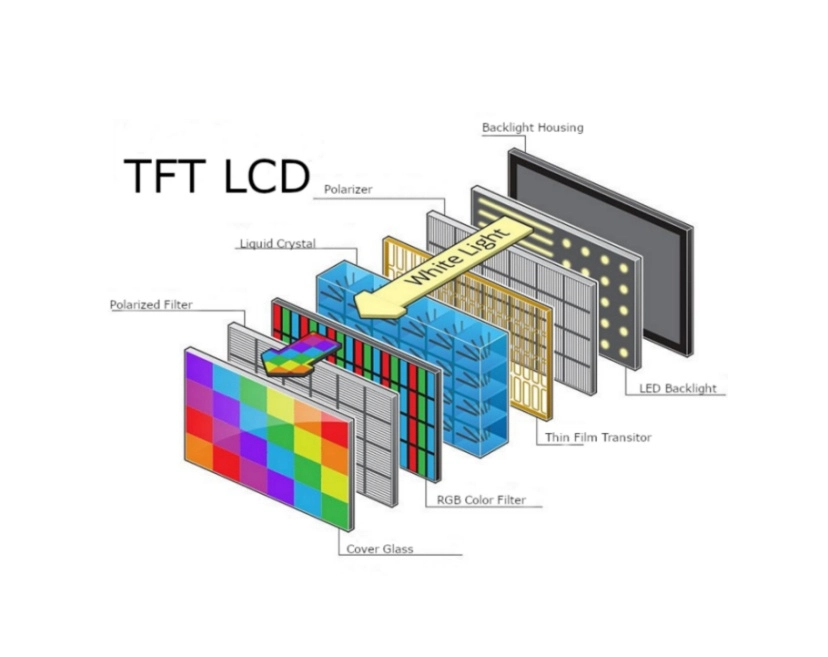
IPS, ofwel In-Plane Switching, wordt veel gebruikt in industriële TFT LCD-schermen omdat het brede kijkhoeken en een stabielere beeldkwaliteit biedt. In vergelijking met TN behoudt een IPS-scherm doorgaans een beter contrast en een consistentere kleurweergave, ongeacht de kijkhoek (links, rechts, boven of onder).
Dit is van belang bij het dagelijks gebruik van apparatuur. Een technicus kan een 7-inch industrieel touchscreen bedienen terwijl hij naast een machine staat. Een verpleegkundige kan een medisch apparaat controleren zonder er direct voor te hoeven staan. Een chauffeur die een display van een landbouwmachine gebruikt, kan even naar het scherm kijken terwijl de cabine schudt en zonlicht vanuit verschillende richtingen binnenvalt.
In deze gevallen is IPS niet zomaar een weergavefunctie. Het wordt onderdeel van de gebruikerservaring en de leesbaarheid van het apparaat.
Hoe Kadi Display IPS gebruikt in industriële TFT LCD-producten
Het portfolio van industriële TFT LCD-schermen van Kadi Display omvat IPS-schermen voor toepassingen waar een brede kijkhoek, hoge helderheid en stabiele leesbaarheid belangrijk zijn. Een voorbeeld hiervan is een 10,1-inch 1280×720 IPS industriële TFT LCD-module Met een MIPI-interface, een helderheid van 1700 nits, vrije kijkrichting en een bedrijfstemperatuurbereik van -30°C tot 70°C. Dit type TFT-lcd met hoge helderheid is meer geschikt voor HMI-systemen buitenshuis, displays voor landbouwmachines en dashboards in voertuigen dan een standaard lcd-paneel voor binnengebruik.
Voor toepassingen die fijnere UI-details vereisen, biedt Kadi Display ook een optie aan. 10,1-inch IPS 1920×1200 TFT LCD-scherm Met een LVDS-interface, een helderheid van 1000 nits, 16,7 miljoen kleuren, kijkrichtingen rondom en een bedrijfstemperatuurbereik van -20°C tot 70°C. Deze configuratie is geschikt voor industriële bedieningsterminals, displays voor medische apparatuur, embedded systemen en professionele HMI-apparaten waar zowel beeldkwaliteit als kijkstabiliteit belangrijk zijn.
Deze voorbeelden laten zien waarom IPS vaak wordt gekozen voor industriële en medische displays. De paneeltechnologie wordt waardevoller wanneer deze wordt gecombineerd met een hoge helderheid, MIPI-, DSI- of LVDS-interfaceopties, capacitieve touchscreen-integratie, AG- of AR-afdekglas, optische bonding en een projectspecifiek mechanisch ontwerp.
VA-schermen: nuttig wanneer contrast de belangrijkste vereiste is.
Waar VA-panelen passen
VA-panelen (Vertical Alignment) staan bekend om hun sterkere contrast en diepere zwarttinten. Een VA-scherm kan geschikt zijn voor industriële instrumenten binnenshuis, meetterminals, besturingsapparaten of interfaces die gebruikmaken van donkere achtergronden en contrastrijke afbeeldingen.
In gecontroleerde binnenomgevingen kan een VA LCD-paneel ervoor zorgen dat gegevensgebieden, menusecties en grafische elementen scherper worden weergegeven. Als het scherm voornamelijk van voren wordt bekeken en de toepassing geen brede kijkhoek vereist, is een VA-paneel wellicht het overwegen waard.
Waarom VA getest moet worden in de uiteindelijke structuur
VA-panelen kunnen variëren in kijkhoekgedrag, respons en grijswaardenovergang. Voor medische apparatuur, voertuigdisplays en interactieve industriële HMI-schermen moet het paneel in de beoogde mechanische structuur worden getest in plaats van alleen op basis van het specificatieblad te worden beoordeeld.
Het afdekglas, de dikte van het aanraakpaneel, de instelling van de achtergrondverlichting, de installatiehoek en het omgevingslicht kunnen allemaal van invloed zijn op het eindresultaat. Een test onder reële bedrijfsomstandigheden is vaak nodig voordat een VA-paneel voor productie wordt goedgekeurd.
Het afstemmen van IPS-, TN- en VA-waarden op industriële toepassingen.
Industriële HMI-displays
Industriële HMI-displays tonen vaak alarmen, machinewaarden, trendgrafieken, instelmenu's en aanraaktoetsen. Operators kunnen het scherm bekijken terwijl ze lopen, naast de machine staan of handschoenen dragen. IPS is vaak de veiligere keuze voor deze interactieve panelen, omdat het een consistentere leesbaarheid vanuit verschillende hoeken biedt.
TN-panelen kunnen nog steeds worden gebruikt voor eenvoudige, vaste statusdisplays. VA-panelen zijn mogelijk geschikt voor binnensystemen waar een sterk contrast belangrijker is dan een brede kijkhoek. De uiteindelijke keuze hangt af van het UI-ontwerp, de montagehoek, het omgevingslicht en het verwachte gebruik.
Tentoonstellingen van medische apparatuur
Medische displays vereisen doorgaans scherpe beelden, stabiele kijkhoeken en betrouwbare leesbaarheid. IPS is bij uitstek geschikt voor patiëntmonitoren, diagnostische apparaten, infuusapparatuur, draagbare medische instrumenten en medische bedieningspanelen. In combinatie met een capacitief touchscreen, een gemakkelijk te reinigen afdekglas en een stabiele achtergrondverlichting, kan een IPS TFT LCD-scherm een betrouwbaardere werking van medische apparatuur ondersteunen.
Voertuig- en buitenpresentaties
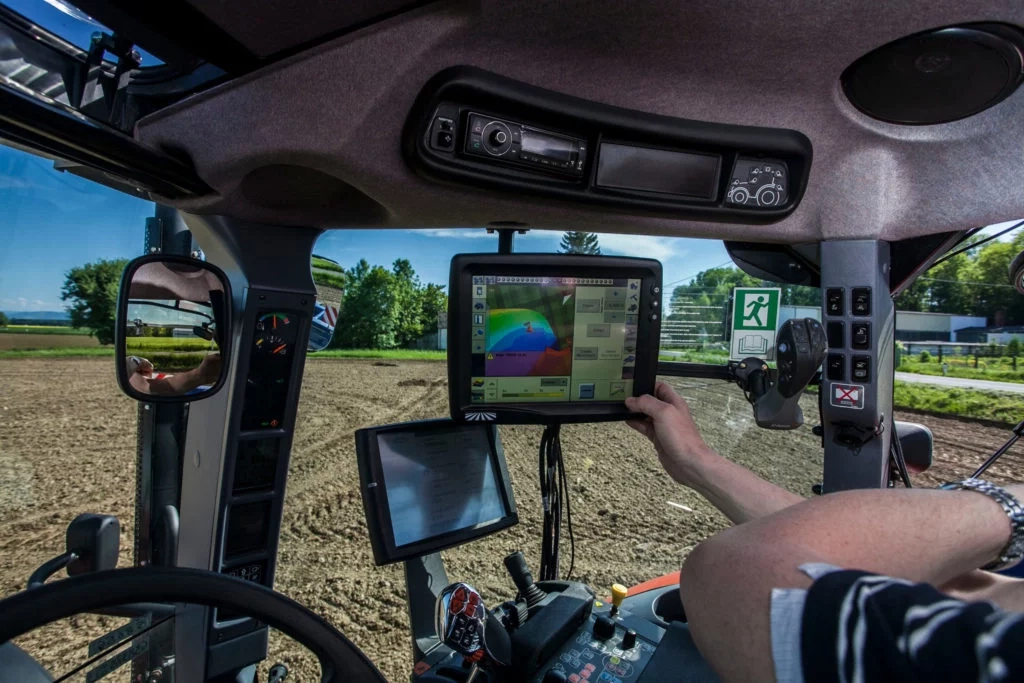
Landbouwmachines, golfkarretjes, bedrijfsvoertuigen en buitenterminals vereisen meer dan een standaard LCD-scherm. Zonlicht, trillingen, stof, hitte, kou en snel aflezen beïnvloeden allemaal de prestaties van het scherm. Voor deze toepassingen moet een in zonlicht leesbaar scherm als een compleet optisch systeem worden beschouwd.
Een IPS TFT LCD-scherm met een hoge helderheid van 1000 nits of meer kan een goed uitgangspunt zijn. Een AG- of AR-oppervlaktebehandeling kan reflecties en schittering verminderen. Optische bonding kan het contrast verbeteren en de luchtspleet tussen het LCD-scherm en het touchscreen verkleinen. In sommige projecten kunnen ook op maat gemaakt afdekglas, FPC-aanpassingen, interfaceconversie of afstemming van de touchcontroller nodig zijn.
Wat ingenieurs en kopers moeten controleren voordat ze tot inkoop overgaan
Belangrijke parameters naast het paneeltype
Een betrouwbare specificatie voor een industrieel beeldscherm moet de volgende gegevens bevatten: schermgrootte, resolutie, paneeltype, helderheid, kijkhoek, interface, touchscreen, bedrijfstemperatuur, opslagtemperatuur, oppervlaktebehandeling, verbindingsmethode, dikte van het afdekglas, montagestructuur, levensduur van het product en geschat jaarlijks volume.
Gangbare schermformaten voor industriële en medische apparatuur zijn 5-inch, 7-inch, 10,1-inch, 12,1-inch en 15,6-inch displays. Afhankelijk van het moederbord en de toepassing kan er gekozen worden uit verschillende interfaces, zoals LVDS, MIPI DSI, HDMI, eDP, RGB of SPI. Voor het touchscreen kan gekozen worden uit een capacitief of resistief touchscreen, afhankelijk van het gebruik van handschoenen, blootstelling aan water, nauwkeurigheid van de invoer en budgettaire overwegingen.
Waarom de ervaring van leveranciers het projectrisico verlaagt
De keuze van de leverancier voor een beeldscherm is ook een beslissing op lange termijn. Zodra een scherm is geïntegreerd in industriële of medische apparatuur, kunnen latere wijzigingen van invloed zijn op de behuizing, firmware, kabelontwerp, achtergrondverlichting, aanraakfunctionaliteit en het certificeringsproces.
Kadi Display ondersteunt industriële TFT LCD-modules, TFT-touchscreens, displays met hoge helderheid, industriële monitoren, staafvormige TFT LCD-modules en op maat gemaakte displayassemblages. Voor projecten die aangepaste helderheid, afdekglas, optische bonding, FPC-ontwerp, touchpanelintegratie, interfaceboards of behuizingsondersteuning vereisen, kan een vroege technische beoordeling het risico op herontwerp vóór massaproductie verkleinen.
Conclusie
TN-, IPS- en VA-schermen zijn alle drie geschikt voor gebruik in industriële en medische apparatuur. TN-schermen zijn geschikt voor eenvoudige apparaten met een vaste kijkhoek, waarbij de kosten een belangrijke factor zijn. VA-schermen zijn nuttig voor binnenapparatuur die een sterker contrast vereist. IPS-schermen worden vaak verkozen voor industriële HMI-displays, medische touchscreens, dashboards in voertuigen en buitenterminals, omdat ze bredere kijkhoeken en een stabielere beeldkwaliteit bieden.
De beste keuze voor een LCD-paneel hangt af van het complete weergavesysteem. Helderheid, interface, touchtechnologie, oppervlaktebehandeling, optische verbinding, bedrijfstemperatuur, mechanische structuur en leveringszekerheid op lange termijn moeten gezamenlijk worden beoordeeld. Voor fabrikanten die industriële displays van 5 tot 15,6 inch ontwikkelen, Kadi weergave Biedt standaard en op maat gemaakte displayoplossingen voor industriële besturing, medische apparatuur, embedded systemen, HMI voor buitengebruik en voertuigtoepassingen.
Veelgestelde vragen
Vraag 1: Wat is het meest geschikte type LCD-paneel voor industriële displays?
A: Het beste type LCD-paneel voor industriële displays hangt af van de kijkhoek, de lichtomstandigheden, de aanraakfunctionaliteit en het budget. IPS heeft vaak de voorkeur voor industriële HMI-displays vanwege de brede kijkhoek en stabiele beeldkwaliteit. TN is geschikt voor eenvoudige panelen met een vaste kijkhoek, terwijl VA kan worden gebruikt voor binnenapparatuur die een hoger contrast vereist.
Vraag 2: Waarom worden IPS TFT LCD-schermen gebruikt in medische apparatuur?
A: IPS TFT LCD-schermen worden in medische apparatuur gebruikt omdat ze ervoor zorgen dat getallen, pictogrammen, golfvormen en waarschuwingsberichten duidelijk leesbaar blijven vanuit verschillende hoeken. Dit is handig voor patiëntmonitoren, diagnostische apparaten, draagbare medische instrumenten en medische touchscreens die door meerdere gebruikers vanuit verschillende posities kunnen worden gecontroleerd.
Vraag 3: Hoe kies ik tussen IPS, TN en VA voor een industriële HMI?
A: Om te kiezen tussen IPS, TN en VA voor een industriële HMI, moet u rekening houden met de kijkhoek, de complexiteit van de gebruikersinterface, de lichtomstandigheden, de vereisten voor aanraakfunctionaliteit en de installatiepositie. IPS is over het algemeen beter geschikt voor interactieve HMI-panelen met alarmen, data, grafieken en aanraaktoetsen. TN is meer geschikt voor eenvoudige apparatuur met een vaste kijkhoek, terwijl VA geschikt kan zijn voor binnentoepassingen waar contrast een belangrijke factor is.
Vraag 4: Is een industrieel beeldscherm dat in zonlicht leesbaar is, per se voorzien van een IPS-scherm?
A: Een industrieel display dat in zonlicht leesbaar is, heeft niet altijd IPS nodig, maar IPS is wel nuttig wanneer een brede kijkhoek vereist is. Helderheid, contrast, AG- of AR-oppervlaktebehandeling, optische bonding en het bedrijfstemperatuurbereik beïnvloeden ook de prestaties van displays voor buitengebruik. Voor landbouwmachines, HMI's voor buitengebruik en dashboards van voertuigen moeten deze factoren gezamenlijk worden beoordeeld.
Vraag 5: Welke informatie is nodig voor een offerte op maat voor een industrieel LCD-scherm?
A: Een offerte voor een op maat gemaakt industrieel LCD-scherm moet de volgende gegevens bevatten: schermgrootte, resolutie, voorkeur voor paneeltype, gewenste helderheid, interface, type touchscreen, vereisten voor afdekglas, oppervlaktebehandeling, behoefte aan optische verbindingen, bedrijfstemperatuur, montagestructuur, toepassingsomgeving en geschat jaarlijks volume. Deze details helpen om het project af te stemmen op een geschikte industriële TFT LCD-display of touchscreen-oplossing.
Voorgaande
Wat is een LCD-scherm met een breed temperatuurbereik en wanneer hebben industriële apparaten er een nodig?
Volgende
LVDS versus MIPI voor industriële TFT LCD-schermen: welke interface moet u kiezen?
Laat een reactie achter

Laatste Blog & Nieuws
- Industrial LCD EOL: What Happens from Pre-Announcement to Replacement Mass Production?
- Electronic Component Obsolescence Management for Industrial Displays: An OEM Guide
- How to Develop a Production Ready Custom Display Assembly TFT Module Touch Cover Glass FPC Bonding and Mounting
- 15 Pin vs 22 Pin Raspberry Pi DSI Connectors Cable Pinout and Compatibility
- Native MIPI DSI vs LVDS or HDMI Bridge: An OEM Display Architecture Decision Guide