7-Inch MIPI DSI Displays: Top Specifications and Best Choices in 2026
2026-02-05
11:41
7-inch MIPI DSI LCD screens keep giving a good mix of size, clearness, and energy save. They stand as a main pick for built-in systems, Raspberry Pi work, factory controls, and carry-around gear in 2026. These screens use the MIPI DSI link for fast serial data send. They often have 2-4 paths. They back clear views from 800×480 up to 1200×1920. At the same time, they hold low energy use (often 1-2W). They also keep wire work simple.
In 2026, the new kinds show better IPS screens with 170°+ view angles. They add multi-spot touch (5-10 spots). And they have light levels from 300nits to 1000nits+. These screens give strong work in jobs that need clear sights, quick touch, and steady run in many spots.
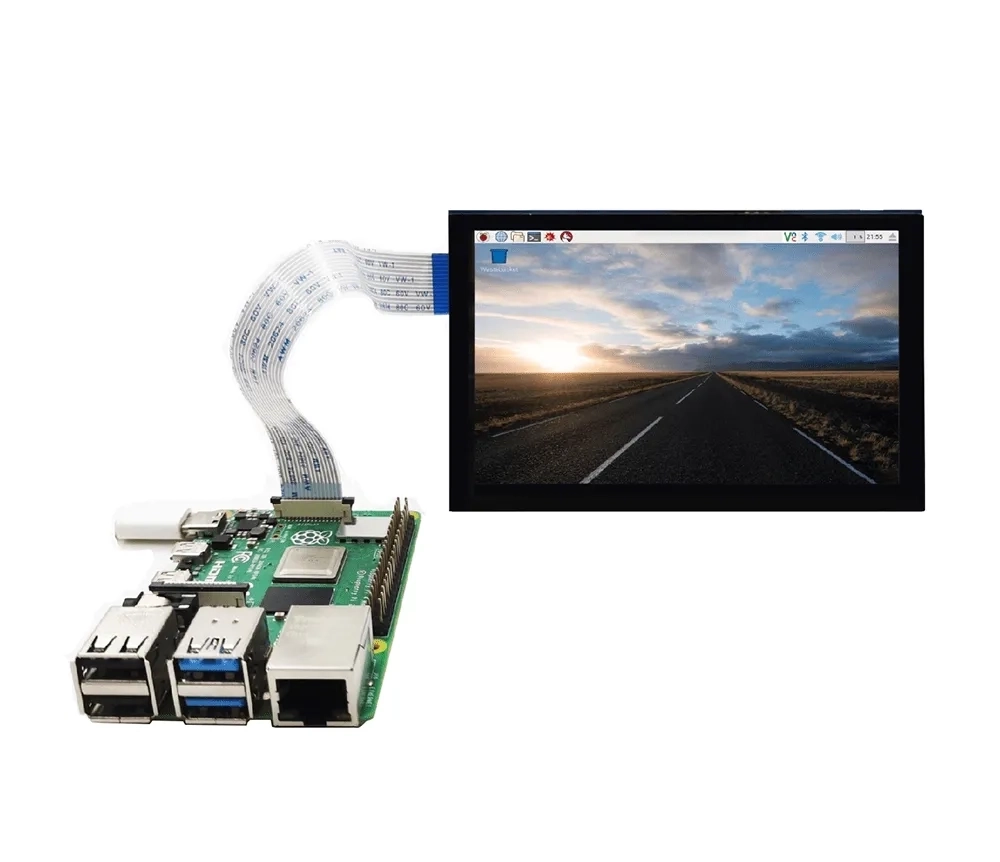
Popular Resolutions and Key Specs in Current Models
True items out in 2026 show these main setups:
- 800×480 (WVGA)— This stays the top basic clear view. Kinds like 7inch DSI LCD (C) and many Raspberry Pi-fit screens give 60Hz update, IPS screens, and 5-spot touch. Light often goes from 350-800nits. Many add light glue for better read and less shine.
- 1024×600 (WSVGA)— This is a go-to for factory and Raspberry Pi jobs. It gives 1024×600 clear view with 800nits strong light, four-path MIPI DSI, and factory-level touch. Kadi Display’s KD070RPI02 kind fits this clear view. It has easy-connect DSI match for Raspberry Pi. It offers air space or light glue picks. And it uses I²C touch link.
- 720×1280 or 800×1280 (Portrait)— This works great for hand-held and up-down user faces. This gives 720×1280 screens with 10-spot touch, 6H hard glass, and 60Hz updates. These screens back wide run heat ranges (-20°C to 70°C). They also let software run light dim.
- 1200×1920 or 1080×1920 (Higher-End)— This fits jobs that need high detail in up-down set. Kadi Display gives 1200×1920 InCell LTPS kinds with 40-pin MIPI DSI and 500nits light. It adds AMOLED types at 1080×1920 with 600nits light and wider heat hold (-30°C to +85°C).
Touch work often runs on I²C parts like GT911 or FT3519. Light glue (OCA or full stick) boosts strong build, cuts back shine, and lifts all work.
Real-World Performance and Applications
In true use in 2026, these screens show good trust all the time:
- Raspberry Pi Projects— Easy-connect kinds link right to the DSI spot on Raspberry Pi 5, 4, and 3 lines. Users say they get smooth 60Hz work, low-wait touch answer, and no-driver run in the new Raspberry Pi OS types. Strong-light 800nits+ kinds do well in outside stands, sign boards, and touch boards.
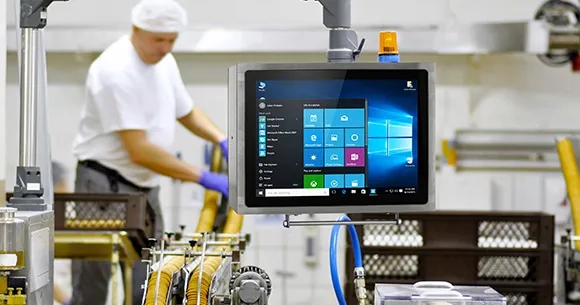
- Industrial HMIs— 1024×600 screens with 800nits+ light see wide use in plant control boards and auto gear. Wide heat run and light glue make sure clear sight and long strong build even in hard factory spots.
- Portable and Handheld Devices— Up-down 720×1280 or 1200×1920 kinds power PDAs, health check tools, and fun info systems. 10-spot touch lets easy multi-touch moves. Low energy use makes them fit for battery gear.
- Automotive and Outdoor Applications— Strong-light (800-1000nits) IPS screens with anti-shine coats work steady in bright light spots. You see this in new fun info tests and outside watch systems.
These screens back smooth 60Hz video play with little electrical noise. This comes from the pair send of MIPI DSI.
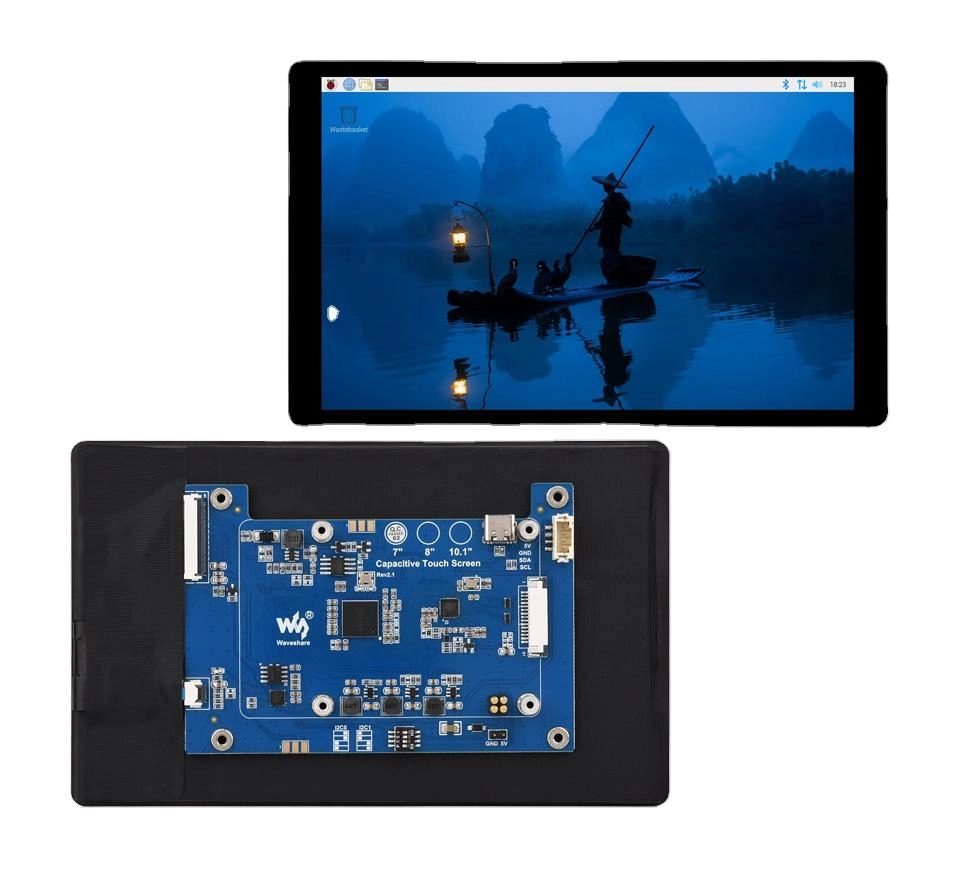
Comparison: MIPI DSI vs. Other Interfaces
In 2026, MIPI DSI keeps doing better than old RGB and LVDS links in new builds:
- Fewer pins and wires make join easy and cut build costs.
- Lower energy use (1-2W vs. more for HDMI likes).
- Higher speed room backs clear views up to FHD+ and more.
- Better electrical noise work for touchy spots.
For Raspberry Pi and other one-board computers, MIPI DSI gives right processor link without add-ons. This differs from HDMI.
Integration and Customization Tips
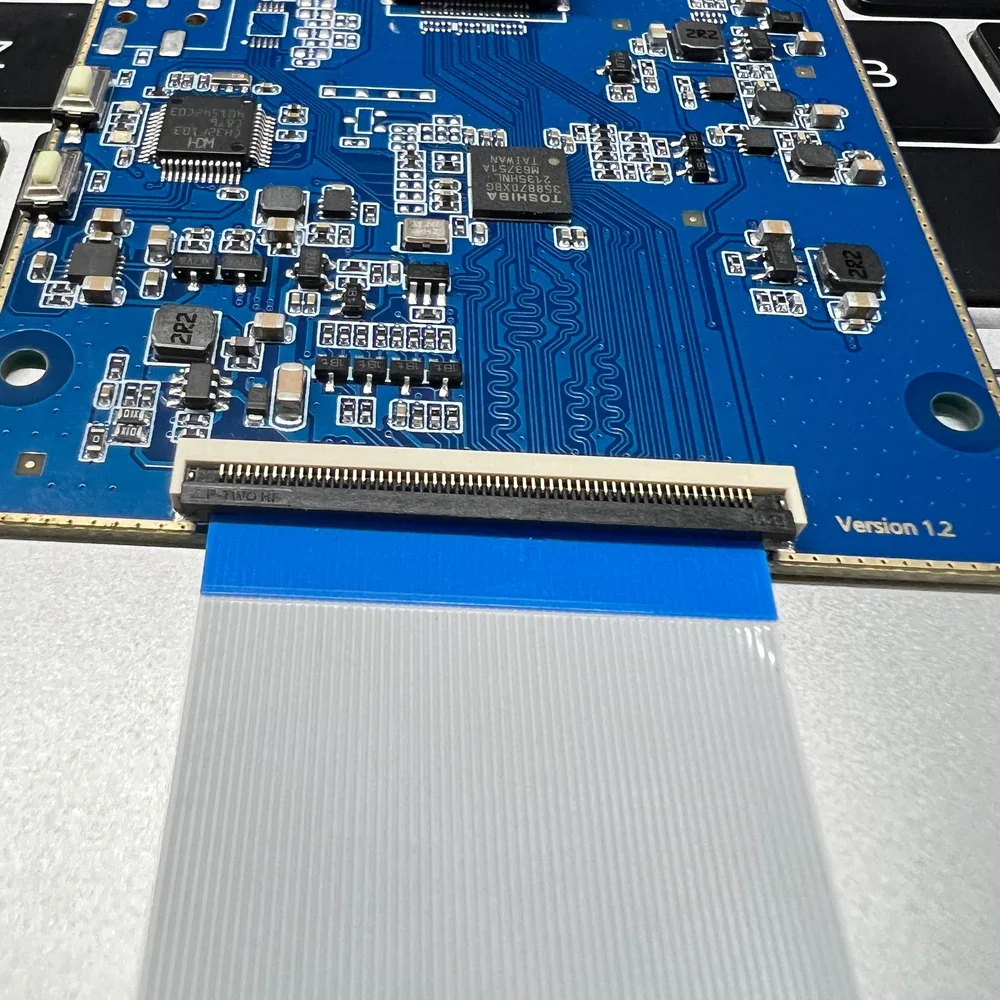
Join often means linking via FFC wires to the DSI spot. Device tree adds or kernel parts handle setup. Many kinds back PWM light dim and auto touch set. Custom picks include fit light levels, glue types (air space, OCA, full stick), wider heat ranges, and set FPC lengths to fit job needs.
Why 7-Inch MIPI DSI Remains the Top Choice in 2026
With the new SoCs giving built-in DSI back and rising need for good, high-good screens, 7-inch MIPI DSI screens keep giving strong work for next built-in and factory jobs.
Kadi Display, a main Shenzhen maker and seller of factory TFT LCD parts, gives a full line of 7-inch MIPI DSI fixes. These include 800×480 strong-light kinds (up to 800nits with OCA glue), 1024×600 easy-connect Raspberry Pi screens, and higher-clear up-down picks like 1200×1920 InCell panels. With ISO-check build, over 20 years of know, and full OEM/ODM skills, Kadi Display gives steady, fit screens for the hardest jobs.
Partner with a Trusted Display Manufacturer & Supplier
Clients looking for top 7-inch MIPI DSI LCD screens should team with Kadi Display. As a pro plant and steady seller, Kadi gives custom clear views, strong-light sets, light glue, and long supply with good prices. Reach the team today at sales@sz-kadi.com or +86-13662585086. Talk specs, ask for tests, or start your job.
Frequently Asked Questions (FAQ)
What are the most common resolutions for 7-inch MIPI DSI displays?
800×480 for cheap sets, 1024×600 for factory mix, and 720×1280/1200×1920 for up-down jobs.
How bright can these displays get?
Kinds go from 300nits to 1000nits+, with strong-light picks (800nits+) fit for outside and factory use.
Are they compatible with Raspberry Pi?
Yes, many give right DSI link and easy-connect back for Pi 5/4/3 kinds, often no-driver.
What touch features do they support?
Touch with 5-10 spots, using I²C parts like GT911 or FT3519.
Do they work in wide temperature ranges?
Yes, many run from -20°C to 70°C or more (-30°C to +85°C in some kinds), fit for rough spots.
PREVIOUS
IPS vs Other Panels How to Select Display Interfaces for Embedded and Industrial TFT LCD
NEXT
Wide Temperature TFT Displays for Industrial Applications
Leave A Comment

Latest Blog & News
- Electronic Component Obsolescence Management for Industrial Displays: An OEM Guide
- How to Develop a Production Ready Custom Display Assembly TFT Module Touch Cover Glass FPC Bonding and Mounting
- 15 Pin vs 22 Pin Raspberry Pi DSI Connectors Cable Pinout and Compatibility
- Native MIPI DSI vs LVDS or HDMI Bridge: An OEM Display Architecture Decision Guide
- MIPI DSI Display Driver Development for Embedded Linux What Hardware Buyers Need to Confirm
Related Blog & News