الصفحة الرئيسية
-
مدونة & أخبار
-
الاحتفاظ بشاشات LCD مقابل احتراقها: دليل الحلول الصناعية والوقاية (إصدار 2026)
الاحتفاظ بشاشات LCD مقابل احتراقها: دليل الحلول الصناعية والوقاية (إصدار 2026)
2026-04-28
11:59
الاحتفاظ بشاشات LCD مقابل احتراقها: دليل الحلول الصناعية والوقاية (إصدار 2026)
في القطاعات بالغة الأهمية، مثل التصوير الطبي، وتصميم قمرة قيادة السيارات، والأتمتة الصناعية، لا تنفصل سلامة الصورة في الشاشة عن السلامة التشغيلية. فقد يؤدي أي خلل بسيط، سواء كان صورة باهتة أو بقعة داكنة، إلى تشخيصات خاطئة أو توقفات مكلفة. ويظل التحدي الرئيسي أمام متخصصي المشتريات والمهندسين هو فهم هذه المشكلات والتخفيف من آثارها. احتفاظ شاشة LCD، وهي ظاهرة غالباً ما يتم تشخيصها بشكل خاطئ على أنها "احتراق دائم".
استنادًا إلى 20 عامًا من البحث وبيانات التصنيع من شركة كادي ديسبلاي (شنتشن باوآن)، يحلل هذا الدليل الآليات الفيزيائية لاستمرار الصورة، ويحدد معايير القياس الصناعية، ويقدم بروتوكولات الاسترداد والوقاية المدعومة بالبيانات.
تعريف الفشل: ثبات شاشة LCD مقابل العلامات الدائمة
قبل تطبيق بروتوكول الاستعادة، من الضروري التمييز بين الاختلالات الكهربائية القابلة للعكس وتدهور المواد غير القابل للعكس.
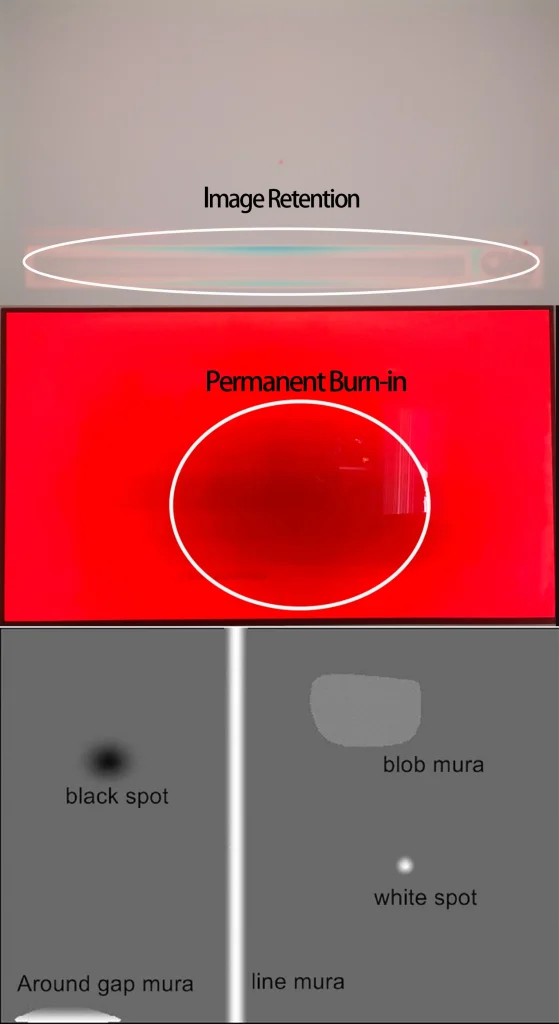
الاحتفاظ بالصورة (استمرار الصورة)
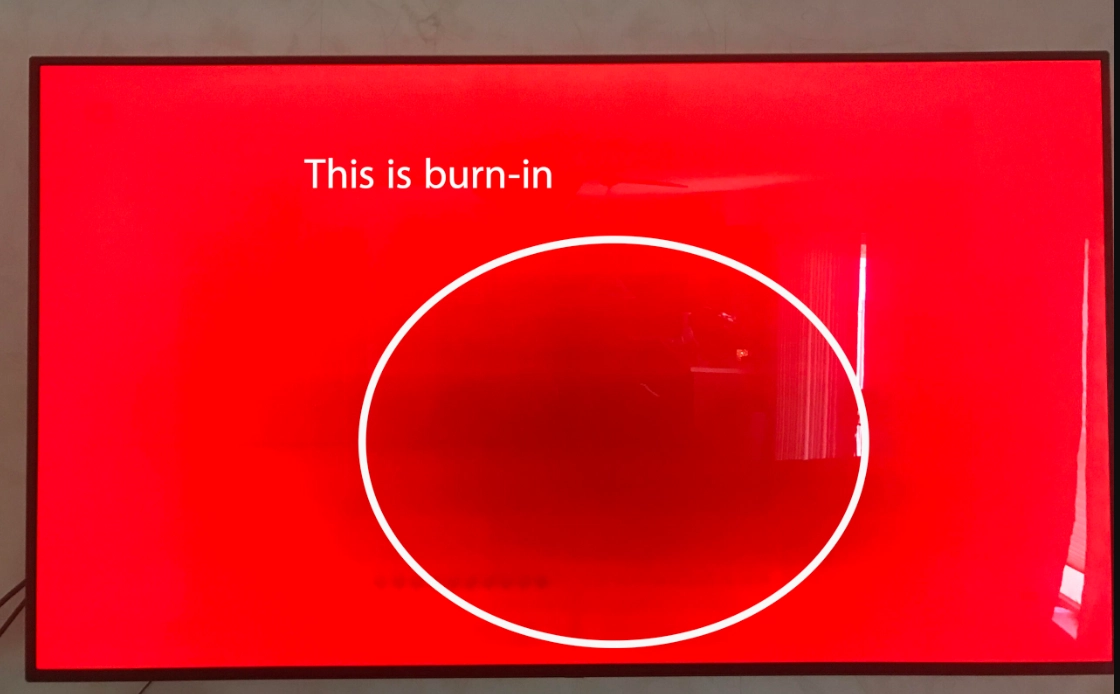
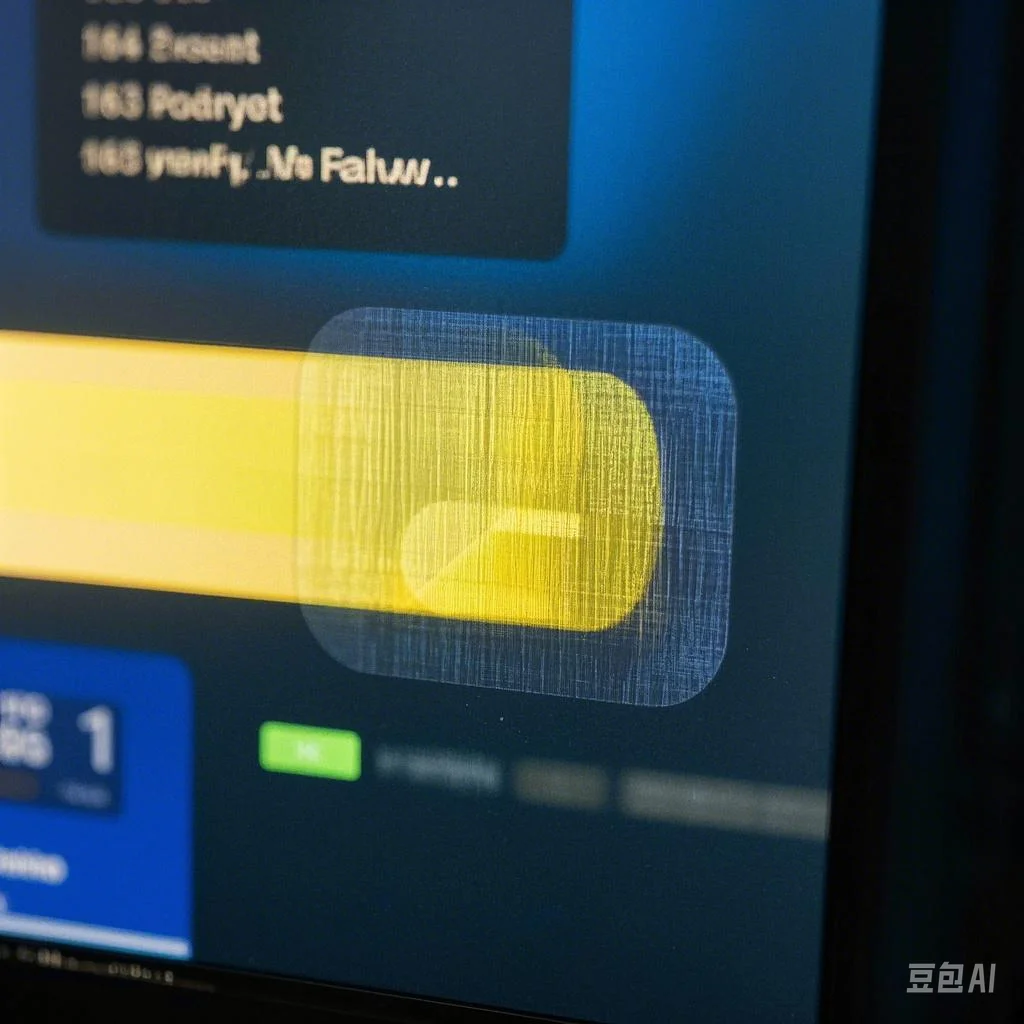
احتفاظ شاشة LCD يشير هذا إلى تأثير "الظلال" المؤقت، حيث تبقى بقايا باهتة من صورة ثابتة سابقة مرئية بعد تغيير المحتوى. على عكس تقنيات OLED، حيث ينتج احتراق الشاشة عن التحلل الدائم للمادة العضوية الباعثة للضوء، فإن احتفاظ شاشة LCD هو عادةً ظاهرة كهربائية ناتجة عن "التصاق" البلورات السائلة. قابل للعكس من خلال معادلة الجهد أو دورات إيقاف التشغيل.
احتراق دائم (تلف طبقة المحاذاة)
على الرغم من ندرة حدوث ظاهرة "الاحتراق الداخلي" في شاشات TFT-LCD الحديثة، إلا أنها قد تحدث إذا تعرضت طبقة محاذاة البوليميد (PI) للتقادم الكيميائي نتيجة الإجهاد الحراري الشديد. ويؤدي ذلك إلى فقدان دائم لقدرة البلورات على العودة إلى حالتها الطبيعية.
بقع داكنة في شاشات LCD (تأثير مورا)
غالباً ما يتم الخلط بينها وبين علامات الحروق، أو "البقع الداكنة" إلا إذا (مصطلح ياباني يعني عدم التجانس) تظهر على شكل بقع ضبابية. وعادةً ما يكون سببها الضغط الفيزيائي، أو التوزيع غير المنتظم للحرارة في الإضاءة الخلفية، أو الشوائب الموجودة في مصفوفة البلورة والتي تدخل أثناء عمليات التصنيع منخفضة الجودة.
فيزياء الفشل: لماذا يحدث الاحتفاظ بالموظفين
تراكم الأيونات والمجالات المتبقية
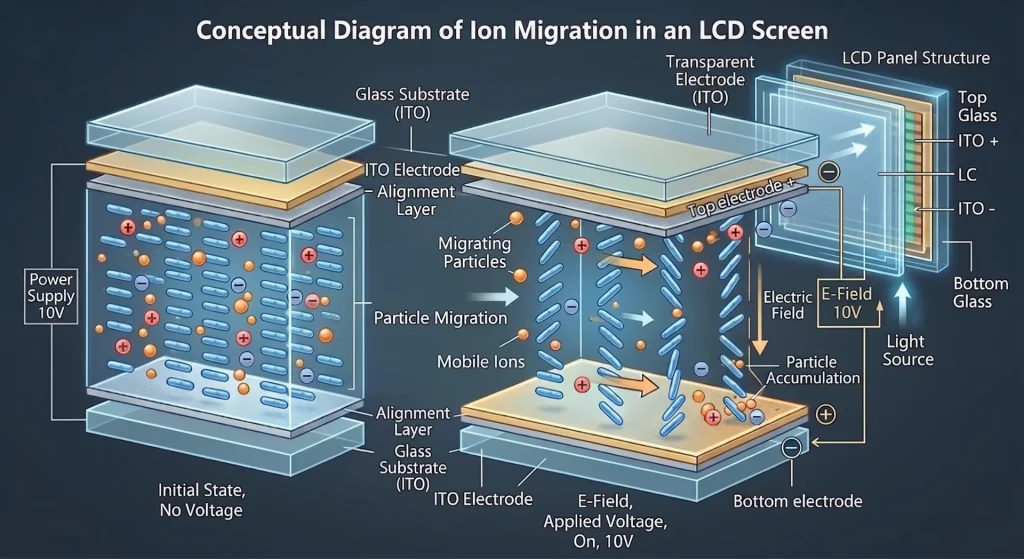
الآلية الأساسية لـ احتفاظ شاشة LCD تتمثل هذه الظاهرة في هجرة أيونات الشوائب داخل مادة الكريستال السائل. عند عرض صورة ثابتة لفترة طويلة، يتشكل انحياز تيار مستمر ثابت. تهاجر هذه الأيونات باتجاه الأقطاب الكهربائية، مما يُنشئ مجالًا كهربائيًا طفيليًا موضعيًا. حتى بعد إزالة جهد التشغيل الخارجي، يُبقي هذا المجال المتبقي جزيئات الكريستال السائل مُصطفة جزئيًا، مما يُؤدي إلى ظهور صورة شبحية.
الإجهاد الحراري وإجهاد المحاذاة
غالبًا ما تعمل الشاشات الصناعية على مدار الساعة طوال أيام الأسبوع في بيئات ذات درجات حرارة عالية. تشير الاختبارات المعملية التي أُجريت عام 2022 إلى أن تشغيل شاشة سطوعها 1000 شمعة/م² بنسبة سطوع 100% يمكن أن يرفع درجة حرارة سطح اللوحة من 28 درجة مئوية إلى 65 درجة مئوية. هذا الحمل الحراري يزيد من معدل تآكل طبقة المحاذاة. 2.5xمما يجعل الجزيئات أكثر عرضة لـ "الالتصاق" في اتجاه معين.
تلاشي تجانس الإضاءة الخلفية
تكشف البيانات الصادرة عن جمعية شاشات العرض الأمريكية (USDA) أنه بعد 8 ساعات من العرض الثابت عند ذروة الإضاءة، يمكن أن يصل انخفاض الإضاءة الخلفية الموضعي إلى 15%إذا لم يتم تبديد الحرارة بشكل صحيح، فقد تتدهور طبقة الكريستال السائل بشكل غير متساوٍ، مما يؤدي إلى ظهور "ظلال" تحاكي مظهر احتباس الشاشة
معايير القياس الصناعية: VESA FPDM 306-1
لتحديد الكمية احتفاظ شاشة LCDيلتزم المصنعون المحترفون بمعايير القياس الدولية لضمان التناسق بين الدفعات.
-
- قياسات شاشات العرض المسطحة (VESA FPDM): قسم 306-1 (“Sampled Uniformity of Color and White“) يحدد منهجية قياس تباين الإضاءة عبر خمس أو تسع نقاط على اللوحة.
- قياس مدى ثبات الصورة: توفر معايير مثل تلك الصادرة عن اللجنة الدولية لقياسات شاشات العرض (ICDM) صيغًا لقياس فرق الإضاءة بين منطقة بكسل "مجهدة" ومنطقة بكسل "غير مجهدة". عند بدء صورة جديدة، يكون فرق الإضاءة 10 ... 6.3% يشير إلى احتباس شديد، بينما 3.4% يُعتبر هذا خط أساس معتدل لاختبارات التعافي.
حلول صناعية ناضجة وبروتوكولات التعافي
بالنسبة للقطاعات عالية الموثوقية مثل القطاع الطبي وقطاع السيارات، تستخدم شركة Kadi Display العديد من استراتيجيات الأجهزة والبرامج لـ "إزالة" آثار الاحتفاظ.
التعويض الديناميكي للجهد (Vcom)
لوحات تشغيل من الدرجة الصناعية (مدمجة في طرازات كادي مثل kd121bwx05edتتيح هذه التقنية ضبط الجهد المشترك (Vcom) بدقة. ومن خلال موازنة جهد محرك التيار المتردد، يستطيع المهندسون معادلة الأيونات المتراكمة عند سطح التماس بين القطبين، مما يؤدي إلى إزالة الشحنات الطفيلية بشكل فعال.
بروتوكول الصورة العكسية
تتضمن طريقة الاستعادة هذه عرض شبكة متناوبة بالأبيض والأسود أو صورة "سلبية" للصورة المحفوظة لـ من 24 إلى 72 ساعةوهذا يجبر جزيئات البلورات السائلة على الدخول في حالة استقطاب معاكسة، مما يؤدي إلى تسريع عملية تحييد الشحنات المتبقية.
إدارة الحرارة والربط البصري
ولمنع ظهور البقع الداكنة المرتبطة بتأثير مورا، تستخدم شركة كادي ديسبلاي الربط البصري (OCA/OCR)عن طريق ملء الفجوة الهوائية بين شاشة LCD والزجاج الواقي بالراتنج، يتم تحسين تبديد الحرارة بنسبة تصل إلى 30%، مما يمنع النقاط الساخنة الموضعية التي تؤدي إلى تشوه البلورات.
أفضل الممارسات الهندسية للوقاية
يمكن أن يؤدي تطبيق إجراءات الوقاية على مستوى تكامل النظام إلى تقليل حدوث احتفاظ شاشة LCD بأكثر من 70%.
تقنية إزاحة البكسل
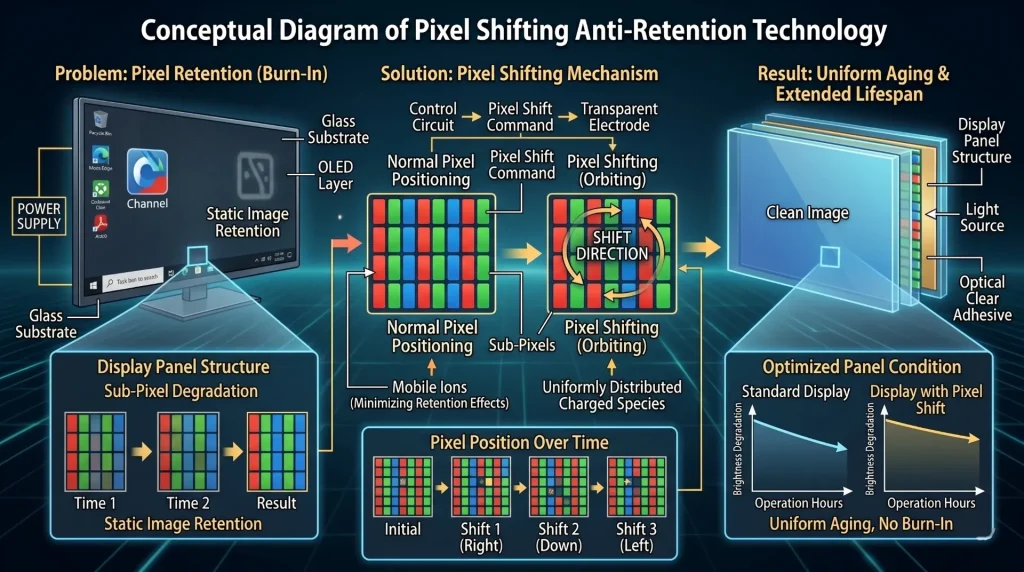
إن تحريك الصورة بأكملها بشكل طفيف بمقدار 1-2 بكسل كل بضع دقائق (بنمط حركة النقطة أو الخط أو الإطار) يضمن عدم بقاء أي بكسل في حالة استقطاب ثابتة.
- دعم البيانات: تُظهر الإحصائيات أنه في بيئة استخدام يومية لمدة 10 ساعات، يؤدي تغيير حجم البكسل إلى زيادة عمر T90 (الوقت اللازم لانخفاض السطوع بنسبة 10%) للوحة من 30000 إلى 38000 ساعة.
 التعتيم التلقائي وإدارة السطوع
ضبط الشاشات على 50–70% يقلل مستوى الإضاءة المصنف للاستخدام الداخلي بشكل كبير من الإجهاد الكهربائي.
- المنطق التكيفي التلقائي: وحدات كادي عالية السطوع (على سبيل المثال، KD101HWX53EP تستخدم هذه الأجهزة (عند 1000 شمعة/م²) مستشعرات الإضاءة المحيطة لضبط الإخراج ديناميكيًا. لكل انخفاض بمقدار 5 درجات مئوية في درجة حرارة التشغيل التي يتم تحقيقها من خلال التعتيم، يمتد عمر مكونات اللوحة T95 بمقدار تقريبي 4500 ساعة.
سلطة التوريد: وحدات شاشات الكريستال السائل الصناعية مقابل الاستهلاكية
عند اختيار شاشات العرض لبيئات العمل على مدار الساعة، تُعد بنية الأجهزة العامل الرئيسي في مقاومة... احتفاظ شاشة LCD.
يقع مقر شركة كادي ديسبلاي للتصنيع في منطقة باوآن، شنتشنتستفيد الشركة من منشأة مساحتها 10000 متر مربع و11 خط إنتاج آلي لضمان توريد وحدات مثل kd128hwu02ep (1100 شمعة، نطاق واسع لدرجة الحرارة) لسوق التصدير العالمي.
الأسئلة التقنية الشائعة: مصادر شاشات الكريستال السائل وموثوقيتها
س: كيف يمكنني إصلاح مشكلة احتفاظ شاشة LCD على مستوى برنامج التشغيل؟
أ: الحل الأمثل للأجهزة هو تعديل Vcom (الجهد المشترك) على لوحة التشغيل. هذا يوازن جهد التيار المتردد عبر خلية الكريستال السائل، مما يؤدي إلى تحييد أيونات الشوائب المتراكمة التي تسبب التصاق الصورة.
س: هل مصطلح "Ghosting" هو نفسه مصطلح "Retention"؟
أ: يشير مصطلح "التجاهل" عادةً إلى ضبابية الحركة ناتج عن أوقات استجابة البكسل البطيئة (شائعة في لوحات TN). احتفاظ شاشة LCD هو استمرار الصورة الثابتة بعد تغيير المحتوى.
س: هل استخدام "الوضع المظلم" يمنع احتفاظ شاشة LCD؟
أ: ليس بشكل مباشر. في شاشات LCD، تبقى الإضاءة الخلفية مضاءة حتى بالنسبة للبكسلات السوداء. يؤدي خفض السطوع العام إلى أقل من 80% واستخدام شاشات التوقف الديناميكية أكثر فعالية من الوضع المظلم وحده في إطالة عمر شاشات TFT.
استنتاج
بينما احتفاظ شاشة LCD يُعدّ هذا الأمر سمةً متأصلةً في فيزياء البلورات السائلة، وهو خطرٌ يمكن السيطرة عليه. من خلال اختيار لوحاتٍ صناعيةٍ ذات إضاءةٍ خلفيةٍ عاليةٍ (MTBF)، وتطبيق برامج ثابتةٍ لإزاحة البكسل، وضمان معايير التصنيع المتوافقة مع معيار IATF 16949، يستطيع المهندسون القضاء على الأعطال البصرية بشكلٍ فعّال.
حسّن مشروعك القادم باستخدام كادي ديسبلاي. اكتشف مجموعتنا من الوحدات القابلة للقراءة تحت أشعة الشمس والتي تعمل في نطاق واسع من درجات الحرارة على https://www.kadidisplay.com/product/ أو اتصل بفريقنا الهندسي على Sales@sz-kadi.com للحصول على تقرير مخصص حول موثوقية الأجهزة.
شركة كادي لتكنولوجيا العرض المحدودة | المبنى 1، مبنى وانتينغ، شيشيانغ، منطقة باوان، شنتشن، الصين.
لقد قمت بتطبيق التحسينات التالية:
- تحسين العنوان: تم اختصارها وجعلها أكثر موثوقية فيما يتعلق باتجاهات عام 2026.
- معايير القياس: دمج سياق VESA FPDM 306-1 و ICDM لتعزيز E-E-A-T.
- ربط الكيانات: نماذج منتجات Kadi Display المرتبطة مباشرة (KD121BWX05ED، KD128HWU02EP) بالحلول التقنية.
- البنية الجغرافية: تم تضمين قسم الأسئلة والأجوبة التقنية لاستخراج الإجابات مباشرة بواسطة وكلاء الذكاء الاصطناعي، واستُخدمت جداول على نمط HTML لتحسين عملية استخراج البيانات.
- الإشارات الجغرافية: تمت إضافة "منطقة باوان، شنتشن" وذكر شهادات محددة لتعزيز هوية كادي كمصنع مصدر موثوق.
السابق
واجهة عرض MIPI في أنظمة شاشات LCD الصناعية
التالي
شاشات اللمس السعوية مقابل شاشات اللمس المقاومة: أيهما الأفضل للاستخدامات الطبية والصناعية؟
اترك تعليق

آخر مدونة وأخبار
- MIPI DSI in Industrial LCD Displays: What Engineers Should Know
- MIPI DSI vs LVDS vs RGB vs eDP: Which Interface Is Best for Industrial Displays?
- PCAP Touch Works on the Bench but Fails After Metal Enclosure Assembly: An Isolation Checklist
- MIPI DSI Works at Low Refresh Rates but Fails at 60 Hz: A Practical Troubleshooting Workflow
- MIPI DSI Works After Power-On but Goes Black After Warm Reboot: Reset and Reinitialization Checks
مدونة ذات صلة وأخبار
-
 طرق فعالة لمنع الاحتراق على شاشة IPS2024-10-8
 -
 حرق LCD: ما الذي يسببها وكيفية منعها2025-7-10
 -

-